University of Hawaii lab helps Hamakua sweet potato farmers thrive
Hilo researchers are helping Hamakua growers start with cleaner sweet potato plants, a move that can lift yields, cut disease losses and protect a $4.2 million crop.
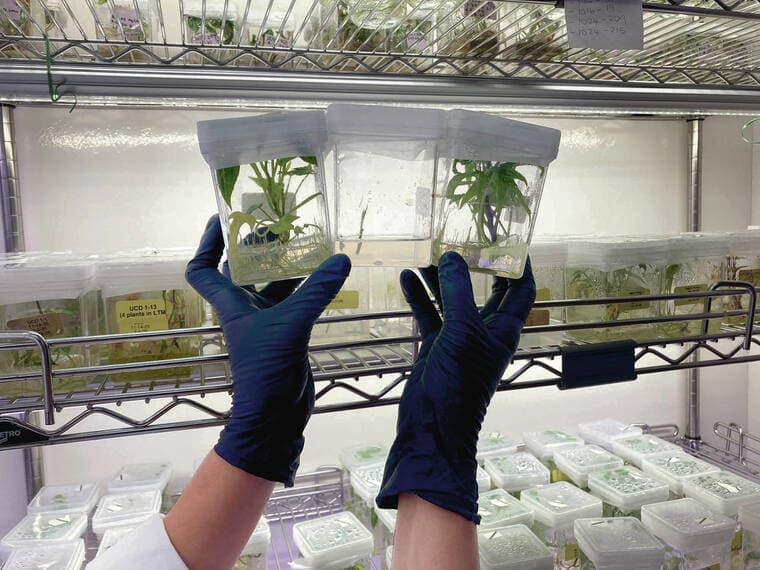
Hāmākua sweet potato farmers are getting help from a University of Hawaii lab in Hilo that is focused on one practical goal: keeping a signature Big Island crop healthy enough to pay. The work is about more than plant science, because every healthier vine, cleaner planting start and avoided disease outbreak can mean fewer losses for family farms already under pressure.
Why Hāmākua sweet potatoes matter
Sweetpotato remains one of Hawaii’s key vegetable crops, but the numbers show how much is at stake. A CTAHR review cited in UH materials says the crop brought in $4.2 million in farm-gate value in 2024, with more than 4.1 million pounds produced statewide. That is far below the $7.3 million and 16.7 million pounds reported in 2011, and the review points to multiple pests as one reason production has slipped.
For Hawaii Island, the crop carries even more weight than its dollar value suggests. A 2026 UH News result says nine out of 10 uala are produced on Hawaii Island, especially along the Hāmākua Coast. That makes the stretch from Hilo up the coast not just a growing area, but a core production zone for a crop tied to local food supply, farm income and the island’s agricultural identity.
What the Hilo lab is trying to solve
The University of Hawaii at Mānoa lab at the College of Tropical Agriculture and Human Resources facility in Hilo is working on clean, disease-free sweet potato planting material for local farmers. The point is to give growers a healthier starting point, because problems introduced at planting can follow a crop all season and eat into marketable yield.
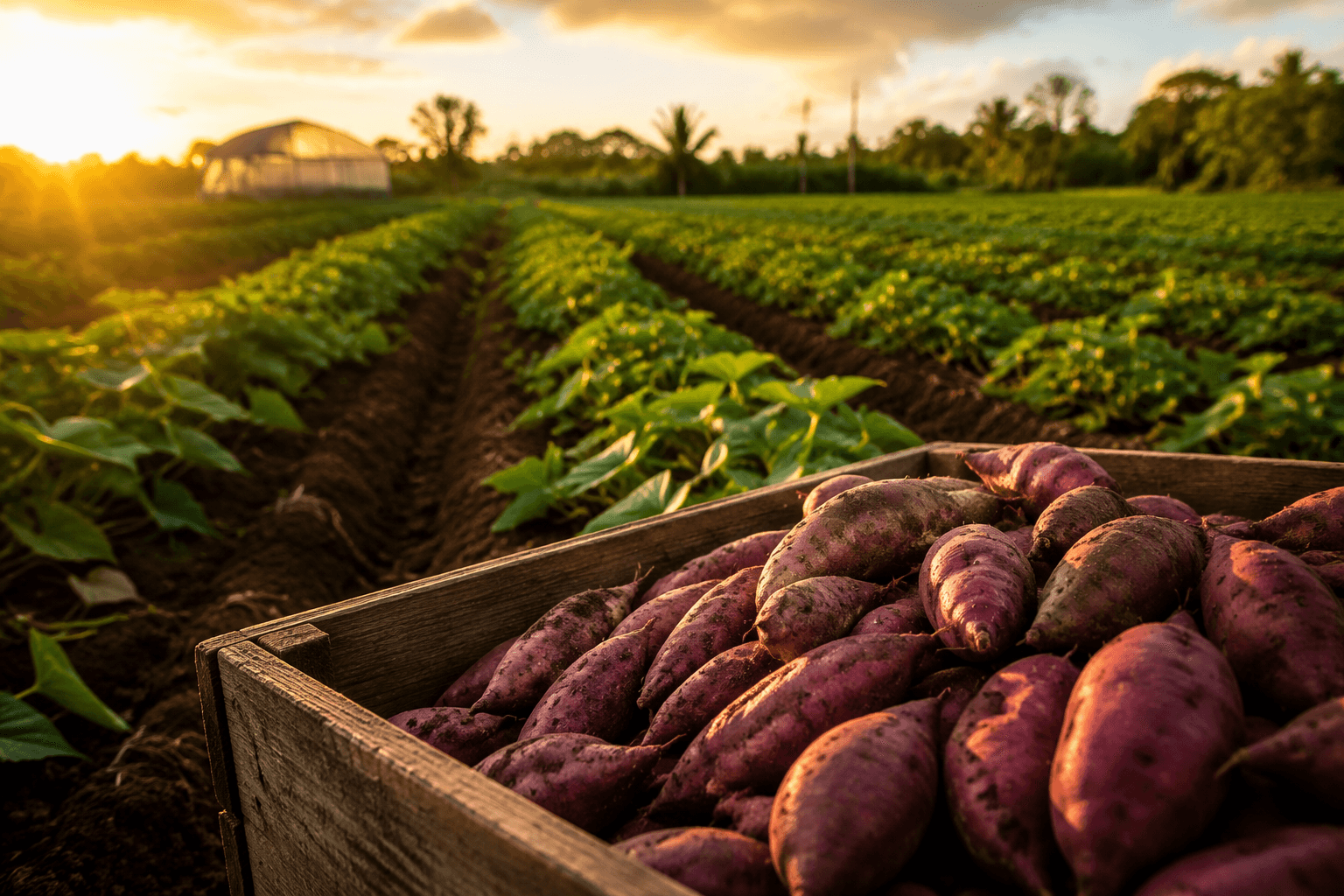
A separate UH-related 2026 result says the Hilo lab is identifying and distributing clean, disease-free potato plants to local farmers. In a place where shipping costs, labor shortages and weather variability already strain margins, that kind of support matters because it tackles risk at the source rather than after losses have already mounted.
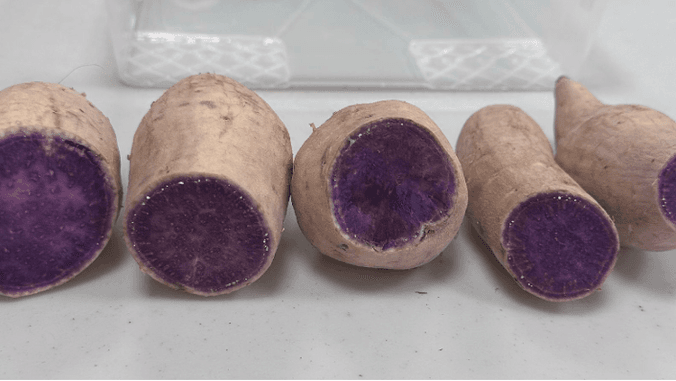
The current work also builds on a broader grant-backed effort to study the Okinawan sweet potato, the purple-fleshed variety that has long been central to local farms and local tables. In practical terms, the lab’s value is not abstract research output. It is a more dependable planting system for growers who need stronger starts, healthier vines, fewer losses and more reliable harvests.
Field research on the Hamakua Coast laid the groundwork
This is not the first time UH researchers have taken on sweet potatoes on the Hāmākua Coast. In June 2018, UH Hilo researchers said sweet potato production in Hāmākua could be improved with select fertilizers, showing that nutrient management was already a live issue for growers there.
That same year, a Pacific Agriculture and Natural Resources article by Chantal Vos, Norman Arancon and Bruce Mathews on commercial Okinawan sweet potato farms on Hawaii Island reported that soil and plant tissue samples were collected from 16 farms. That matters because it shows the work was grounded in real production fields, not greenhouse theory. The takeaway was straightforward: better fertilizer decisions could improve output, and the path to those decisions ran through local soil and plant data.
The 2018 work also reflects a larger pattern in Big Island agriculture. On the Hamakua Coast, a crop can fail quietly when nutrient imbalances, pests or disease pressure drag down performance. Field sampling, tissue analysis and fertilizer recommendations give growers a way to correct course before those losses become routine.
A long CTAHR track record behind the crop
The Hilo lab’s work fits into a much longer University of Hawaii extension tradition. CTAHR issued Sweetpotato Production Guides for Hawaii in March 1994, with Hector Valenzuela, Steven Fukuda and Alton Arakaki listed as authors. That guide shows the university has been treating sweet potato as a serious production crop for decades, not as a niche side project.
That long history matters now because the crop’s economics have weakened even as demand for island-grown food remains strong. When production falls from 16.7 million pounds in 2011 to more than 4.1 million pounds in 2024, and pests are part of the explanation, the response cannot come from growers alone. It takes extension specialists, breeders, pathologists and field researchers working together, often quietly, to preserve the crop’s viability.
The new grant to study the Okinawan sweet potato adds to that pipeline. It signals that UH is treating the crop as something worth defending with modern plant-health tools, not just older production advice. For growers, that means the support system around the crop is still active and still adapting.

What better lab work means on the farm
The business case is direct. If clean planting stock lowers disease pressure, farmers can spend less on replanting, lose fewer marketable roots and stabilize yields across the season. If select fertilizers improve production on the soils common to Hāmākua, then the same acre can generate more revenue without requiring more land.
That has ripple effects beyond the farm gate. Local distributors, farm stands, restaurants and consumers all depend on a dependable supply of island-grown food, and sweet potato is one of the crops that can help keep money circulating locally instead of leaving the state through imports. In a market where agricultural viability is under pressure, lab work in Hilo becomes part of the island’s economic infrastructure.
The deeper point is that Hawaii Island’s sweet potato industry is not being preserved by nostalgia alone. It is being sustained by a chain that runs from field sampling on the Hamakua Coast to clean plant material in Hilo, and from older CTAHR production guides to new grant-supported disease work. For a crop this important to the Big Island, that link between science and farm income is what keeps the next harvest possible.
This article was produced by Prism’s automated news system from verified source data, official records, and press releases, then run through automated quality and moderation checks before publishing. The system is built and supervised by the people who set the standards it runs under. Read our full AI policy.
Did this article answer your question?