Volcano House anchors Kilauea’s history at Hawaii Volcanoes National Park
Volcano House is the only hotel inside Hawaii Volcanoes National Park, and its 1846 roots show how Kīlauea turned heritage tourism into a lasting Big Island business.
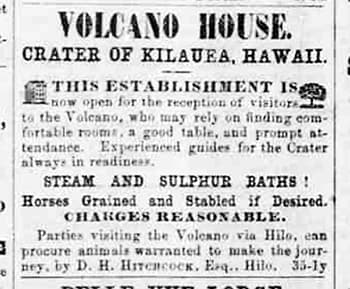
Volcano House is where Big Island history, federal park stewardship, and tourism economics meet at the rim of Kīlauea. Set inside Hawaii Volcanoes National Park in Volcano, it is the only hotel in the park and one of the clearest examples of how a single property can shape the visitor experience at a world-famous natural site.
A summit lodge that grew with Kīlauea tourism
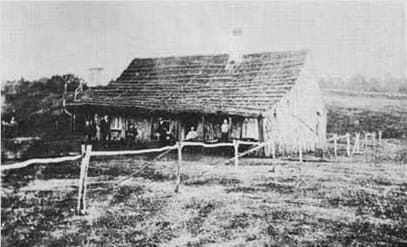
The story reaches back to 1846, when the original summit lodging began as the Pitman House. From there, Volcano House evolved through multiple rebuilds as travel to the summit changed from a rugged expedition into a more organized visitor economy. The 1877 Volcano House marked one of the early major versions of the lodge, and later 20th-century rebuilds carried the property into the modern park era.
That long timeline matters because Volcano House is not just a place to stay. It is part of the cultural memory of Kīlauea itself, tied to the way generations of visitors have come to see the crater, the summit landscape, and the shifting volcanic conditions that define the area. The National Park Service keeps that history alive through its own history and lodging pages, treating the hotel as both an accommodation and a piece of the park’s interpretive fabric.
Why this property still matters in the park economy
Volcano House remains central because it sits where the visitor economy is most concentrated: near the summit of Kīlauea, inside a federally managed park, in a landscape where weather, elevation, and volcanic activity shape every trip. For travelers, the appeal is simple and specific. Staying at the summit means waking up close to the caldera instead of driving in from the Kona or Hilo sides of the island.
That location gives the property a role far beyond room inventory. It helps define the park experience for hikers, photographers, and history-minded visitors who want to make the summit the focus of their stay. In a place where the landscape itself is the attraction, lodging becomes part of the destination rather than an add-on.
What the current lodging offers
The park’s lodging page identifies Volcano House as the only hotel located within Hawaii Volcanoes National Park. One travel listing says it has 21 crater-view rooms, a detail that shows how tightly the property is built around its setting. The hotel also continues to function as active lodging with dining and reservation services, which keeps it embedded in the island’s tourism model rather than frozen as a museum piece.
That mix of history and utility is one reason the property has endured. A summit lodge with a limited number of rooms, especially one focused on crater views, naturally serves a narrower market than a resort on the coast. But that narrow market is exactly the point: the hotel sells access to place, not just accommodation.
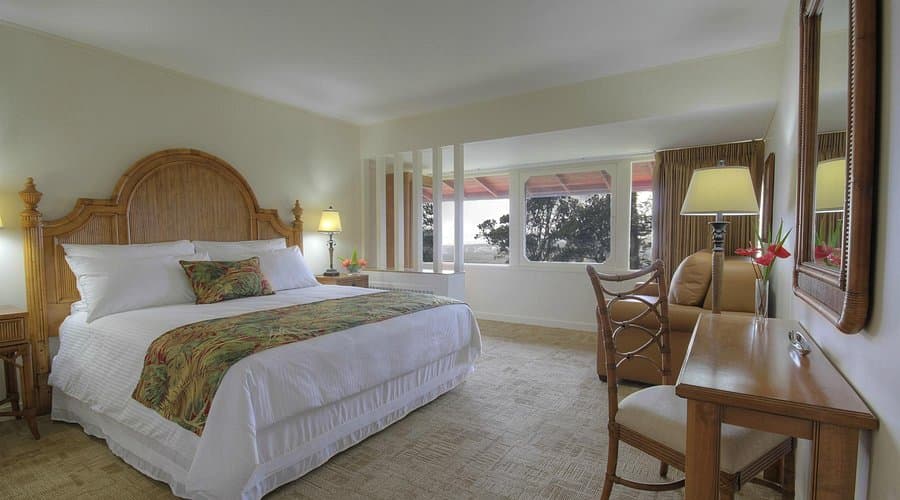
A rebuild that reopened for a new era
The modern version of Volcano House reflects a new chapter in the property’s long life. Ke Ola Magazine noted that the reimagined hotel began checking in visitors on March 22, 2010, after structural upgrades and interior renovation. That reopening shows how the lodge has been refreshed for contemporary guests without losing the historical identity that makes it recognizable across Hawaii Island.
One historical version often referenced in photo captions and history features is the 1941-era Volcano House structure, another marker of how the lodge has been repeatedly rebuilt to match the needs and aesthetics of its time. Taken together, the 1877 building, the 1941 structure, and the 2010 reopening show a property that has survived by adapting, not by standing still.
History is part of the visitor experience
The hotel’s past is not locked away in archives. In September 2013, Hawaii Magazine covered a ranger-guided “History of Volcano House” walking tour that shared stories from the hotel’s 167-year history. That kind of programming matters because it turns the building itself into an interpretive site, linking lodging to public history in a way that fits the national park mission.
The National Park Service’s Volcano House registers page reinforces that point by documenting historical visitors who passed through the summit lodge over time. The guest books make clear that the property has long functioned as a crossroads where ordinary travelers, public figures, and volcano watchers left their names at Kīlauea.
What Volcano House reveals about Hawaii Island tourism
For Big Island readers, Volcano House is more than an old hotel at the summit. It shows how heritage tourism can anchor an entire local identity when the landscape, the lodging, and the public institution are bound together. The park controls the setting; the hotel concentrates the stay; Kīlauea supplies the draw.
That arrangement helps explain why Volcano House remains so central to the island’s tourism model. It is one of the few places where the history of travel to Hawaii Island, the federal management of a national park, and the daily business of welcoming visitors all occupy the same address.
This article was produced by Prism’s automated news system from verified source data, official records, and press releases, then run through automated quality and moderation checks before publishing. The system is built and supervised by the people who set the standards it runs under. Read our full AI policy.
Did this article answer your question?