Young Brothers Barge Service Keeps Big Island Supplied, Here Is How It Works
Without Young Brothers' eight barges, the Big Island's grocery stores, construction sites, and gas stations would run dry fast.
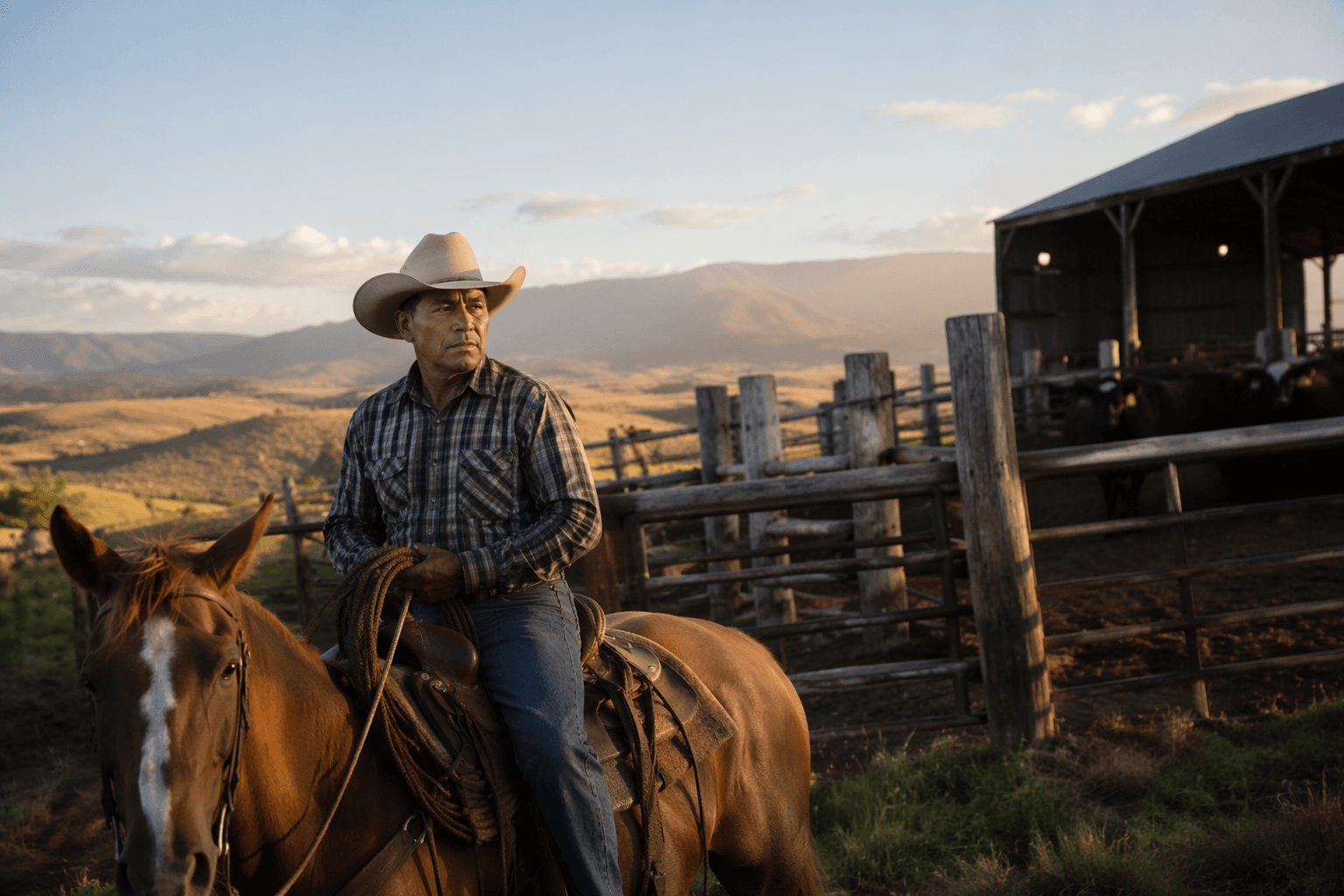
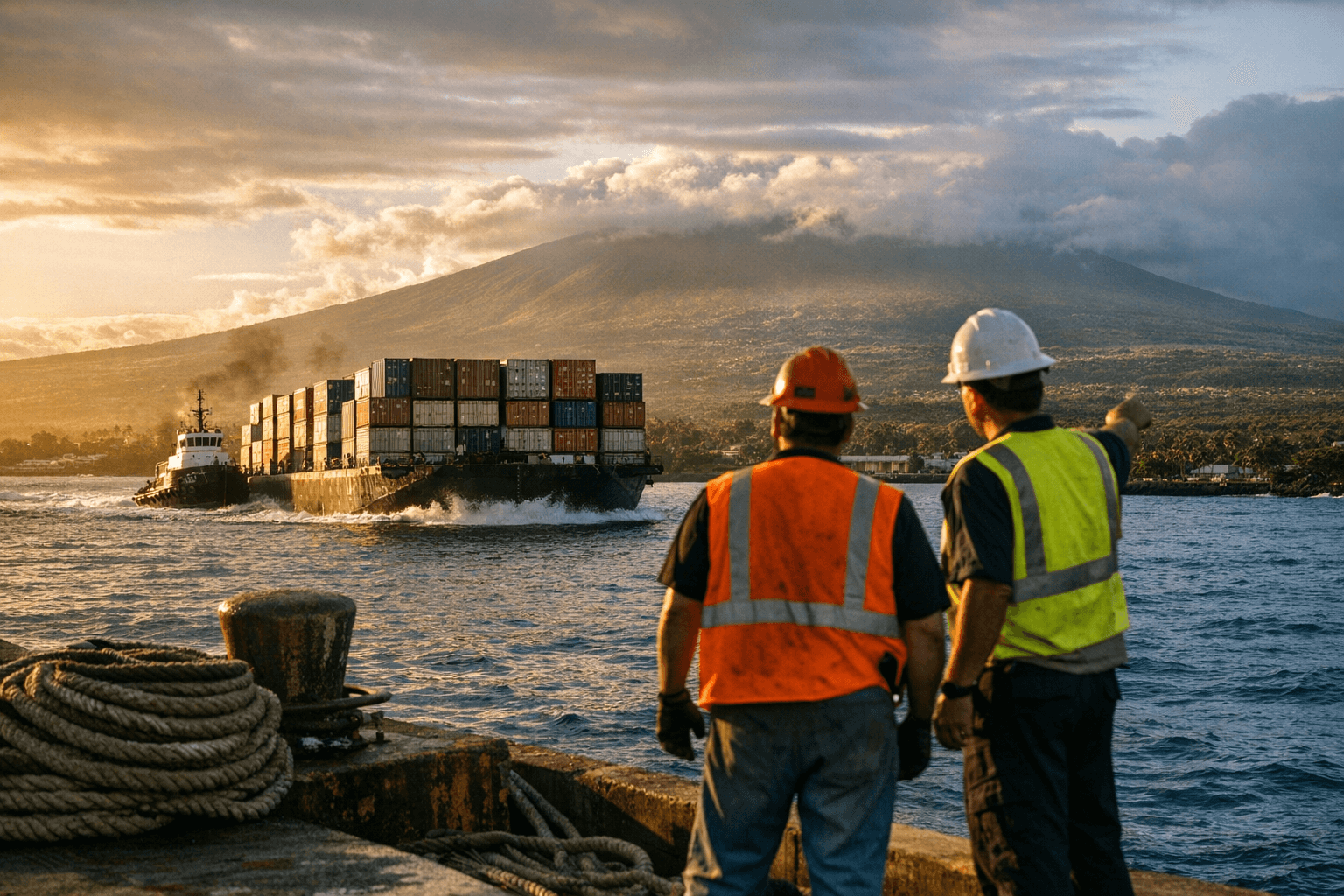
Every head of lettuce at KTA Super Stores, every bag of cement at a Kona job site, and every car unloaded at Kawaihae port arrives by water. The Big Island depends on scheduled barge sailings for a wide range of necessities: grocery and produce shipments, construction materials, vehicle and heavy equipment deliveries, fuel, and machinery parts. One company runs essentially all of it.
The only carrier authorized to do this job
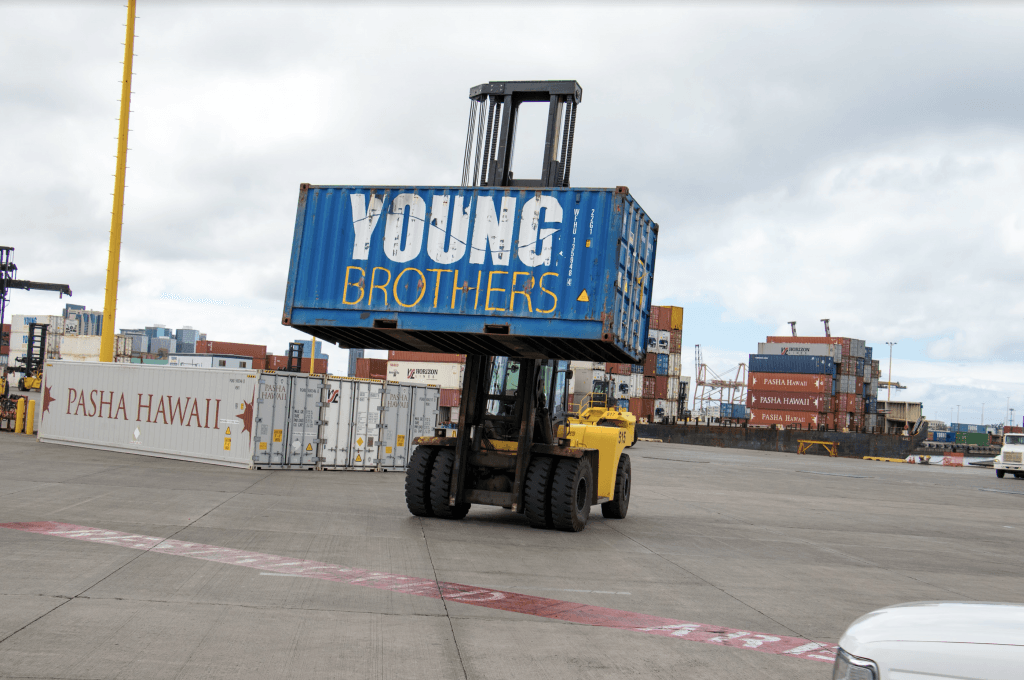
Young Brothers, known throughout the islands as YB, describes itself as "Hawaiʻi's foremost interisland freight handling and transportation company" and holds a distinction that matters enormously to supply chain planners across the state: the company claims to be the only regularly scheduled common carrier authorized by the State of Hawaii to transport goods over water from one island to another. That claim appears on the company's own About Us page and has not been independently verified against State regulatory documentation, but no competing regularly scheduled barge operator currently serves these routes. For Big Island shippers, businesses, and residents, that effectively means Young Brothers is the lifeline.
The company moves goods by barge among the Hawaiian Islands, serving both individual customers and commercial shippers. Its workforce of approximately 360 employees handles everything from the initial reservation through to final pickup at the destination port.
A fleet built for scale
Eight barges make up the Young Brothers fleet, with a combined capacity of over 60,000 tons. That figure encompasses a broad range of cargo types: food and refrigerated goods, building materials, heavy equipment, and personal vehicles. The company states its equipment "can accommodate a range of capacity needs," which in practical terms means the same sailing can carry a refrigerated container of fresh produce alongside a bulldozer or a shipping container of retail merchandise.
For the Big Island specifically, two ports receive this traffic. Hilo, on the eastern side of the island, handles a large share of inbound commercial freight serving the Hilo and Puna corridors. Kawaihae, on the northwest coast, serves the Kohala and Kona sides of the island, shortening overland haul times for contractors, resorts, and retailers on the leeward coast. Having two entry points matters: a disruption or congestion at one port does not automatically strand freight headed for the other side of the island.
Where the barges go
Young Brothers connects seven ports across the Hawaiian island chain:
- Nāwiliwili on Kauaʻi
- Kahului on Maui
- Kaunakakai on Molokaʻi
- Kaumalapau on Lānaʻi
- Honolulu on Oʻahu
- Hilo on the Island of Hawaiʻi
- Kawaihae on the Island of Hawaiʻi
Honolulu serves as the hub through which most interisland cargo moves. Goods manufactured or imported on the mainland typically arrive at Honolulu first, then load onto Young Brothers barges for distribution to the neighbor islands. Most routes are serviced at least twice a week by overnight sailings, meaning a barge departing Honolulu Harbor in the evening arrives at Hilo or Kawaihae the following morning, ready for offloading.
What actually travels on these barges
The cargo manifest on any given Young Brothers sailing reads like an inventory of everyday island life. Refrigerated containers carry dairy products, meat, and fresh produce. Dry containers hold packaged goods, household items, and retail merchandise. Flatbeds carry new and used vehicles. Heavy lift equipment handles oversized loads: generators, construction machinery, utility vehicles, and industrial parts that cannot travel by air.
For construction on the Big Island, where nearly all structural steel, roofing materials, and large equipment arrives by sea, barge schedules effectively set project timelines. A delayed sailing does not just inconvenience a contractor; it can halt a job site entirely while a crew waits for a load of framing lumber or a critical piece of equipment.
Fuel is another category that underscores how much the island depends on these sailings. While the Big Island has petroleum infrastructure at its ports, replenishment of fuel supplies for gas stations, generators, and agriculture depends on consistent barge service. Machinery parts round out the picture: when a piece of farm equipment or a commercial generator breaks down, the replacement part almost certainly arrives by barge.
How the process works
Young Brothers describes its service process as running "from reservation to pickup." Shippers book cargo space, deliver goods to the origin port for loading, and collect them at the destination port after the barge arrives. The company's approximately 360 employees work across reservations, port operations, and logistics coordination to move cargo "quickly, securely, and seamlessly," in the company's words.
Specific details that shippers need before booking, including exact sailing days and times per route, cutoff times for reservations and cargo delivery, transit durations for individual routes, and procedures for perishable or oversized freight, are best confirmed directly with Young Brothers. The company's About Us page describes the general process; operational specifics that affect planning decisions require direct contact with their reservations or operations teams.
What remains unknown and worth asking
The picture Young Brothers presents in its public materials is one of reliable, high-capacity service. What those materials do not address are the questions that matter most when something goes wrong. There is no public data on how often sailings are delayed, what causes those delays, whether weather, mechanical issues, or crew availability play larger roles, or what priority rules govern perishable cargo when space is constrained. There is no published policy on customer notification during disruptions or on whether compensation is available for delayed shipments.
For Big Island residents and businesses that depend on this service, those gaps are worth filling. The following questions are worth directing to Young Brothers directly:
- What is the complete weekly sailing schedule for Hilo and Kawaihae, including departure times and expected arrival windows?
- How does the company notify customers when a sailing is delayed or canceled, and what options are available to shippers?
- Are perishable goods or fuel shipments given priority loading when space is limited?
- What lead time and documentation are required to reserve cargo space?
The State of Hawaii's maritime regulatory office is a parallel resource for understanding the legal framework behind the "only authorized common carrier" claim, and for learning whether any public performance records exist for interisland barge operators.
Why the twice-weekly schedule is a floor, not a ceiling
Young Brothers' stated minimum of twice-weekly service on most routes sets a baseline, but high-demand periods, post-storm recovery, and construction surges can push cargo volumes well above what twice-weekly sailings can absorb. Big Island businesses that depend on just-in-time inventory models carry real risk when a single sailing is delayed; those with tighter supply chains or perishable inventory bear the most exposure.
Understanding the structure of Young Brothers' service, its ports, its fleet, and its schedule cadence, is the first step toward building supply plans that account for the realities of island logistics. The company calls itself your "neighbor island partner." For the Big Island, that partnership is less a marketing phrase than a daily operational fact.
This article was produced by Prism’s automated news system from verified source data, official records, and press releases, then run through automated quality and moderation checks before publishing. The system is built and supervised by the people who set the standards it runs under. Read our full AI policy.
Did this article answer your question?