45 years later, Adam Walsh case still haunts Broward County
Adam Walsh vanished from Sears at Hollywood Mall at age 6, and his case still shapes Broward child-safety rules, public memory and national policy.
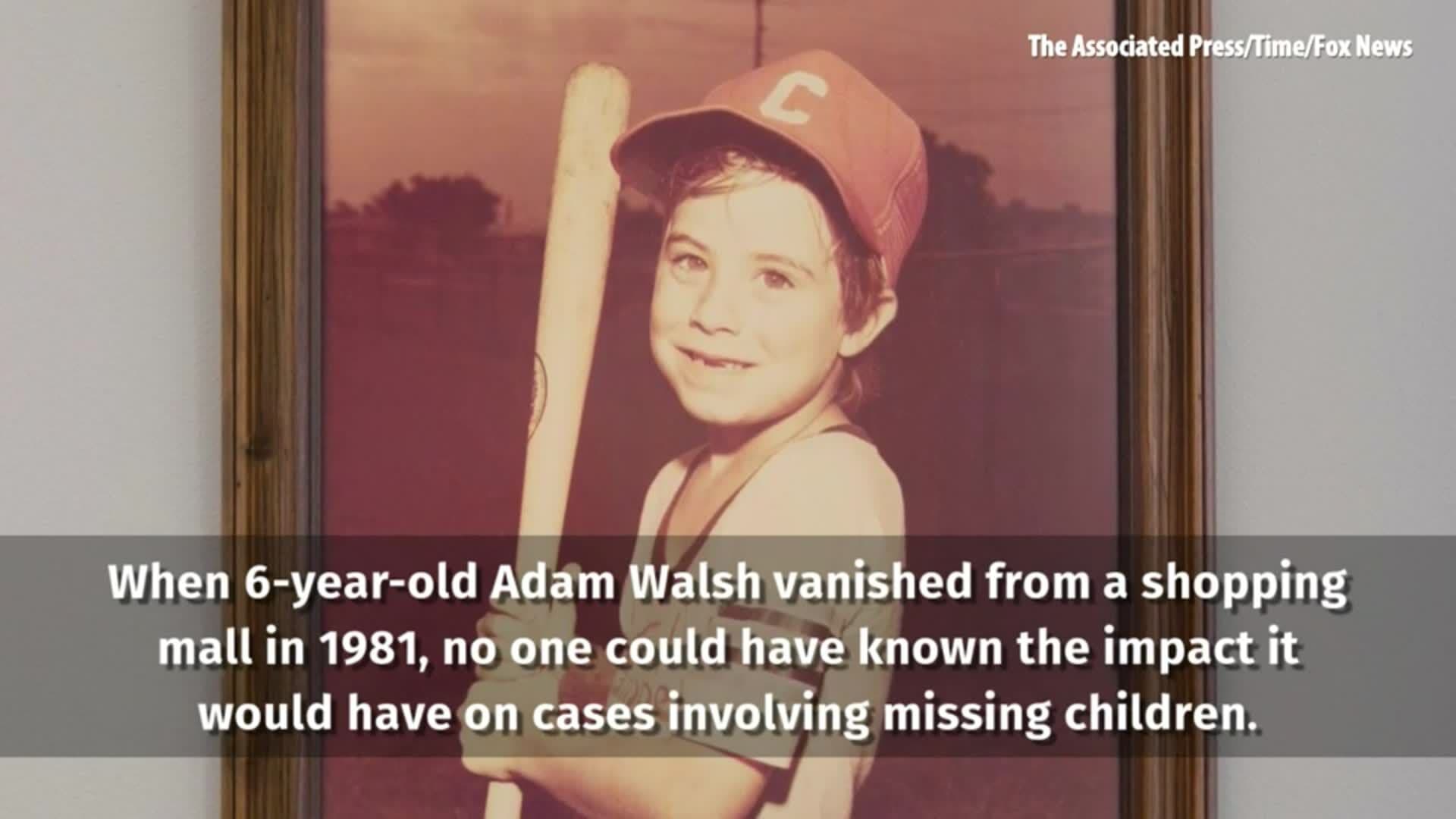
Hollywood Mall is the Broward landmark forever tied to Adam Walsh, the 6-year-old who vanished from the Sears store there while shopping with his mother, Revé Walsh. Forty-five years later, the disappearance still marks Hollywood as the place where one of South Florida’s most painful cases began.
Adam Walsh disappeared on July 27, 1981, from Hollywood Mall in Hollywood, Florida. His severed head was found Aug. 10, 1981, in a drainage canal in Okeechobee County, about 100 miles away, and the case was later tied to serial killer Ottis Toole. Authorities did not identify Adam’s remains using DNA until 2008, a grim resolution that arrived long after the case had already settled into Broward history.
The Walsh family turned that loss into a national campaign for missing children. John and Revé Walsh co-founded the National Center for Missing and Exploited Children in 1984, building a private nonprofit that says its work is to help find missing children, reduce child sexual exploitation and prevent child victimization. One of the best-known tools to emerge from that effort, Code Adam, was created in Adam’s memory as a lost-child response program used in stores and malls.
The case also left its mark on federal policy. Congress passed the Adam Walsh Child Protection and Safety Act in 2006, naming the law for a boy who disappeared from a Broward mall more than two decades earlier. The law’s stated purpose was to protect children from sexual exploitation and violent crime, prevent child abuse and child pornography, promote internet safety and honor Adam Walsh and other child crime victims.
For Broward County, the case remains more than a historical footnote. Hollywood Mall, the Sears store, the Walsh family name and the Okeechobee County canal are all part of the same local memory chain, one that connects a shopping trip in Hollywood to changes in child-safety practice far beyond South Florida. The tragedy still resonates because the institutions that grew out of it, from Code Adam to NCMEC, were built around a single failure that Broward has never fully been able to forget.
This article was produced by Prism’s automated news system from verified source data, official records, and press releases, then run through automated quality and moderation checks before publishing. The system is built and supervised by the people who set the standards it runs under. Read our full AI policy.
Did this article answer your question?