Broward County preserves more than 255 archaeological sites, land and underwater
Broward County protects more than 255 archaeological sites on land and underwater, with over 70 safeguarded by local ordinance. That system now shapes development, grants and planning across a fast-changing county.
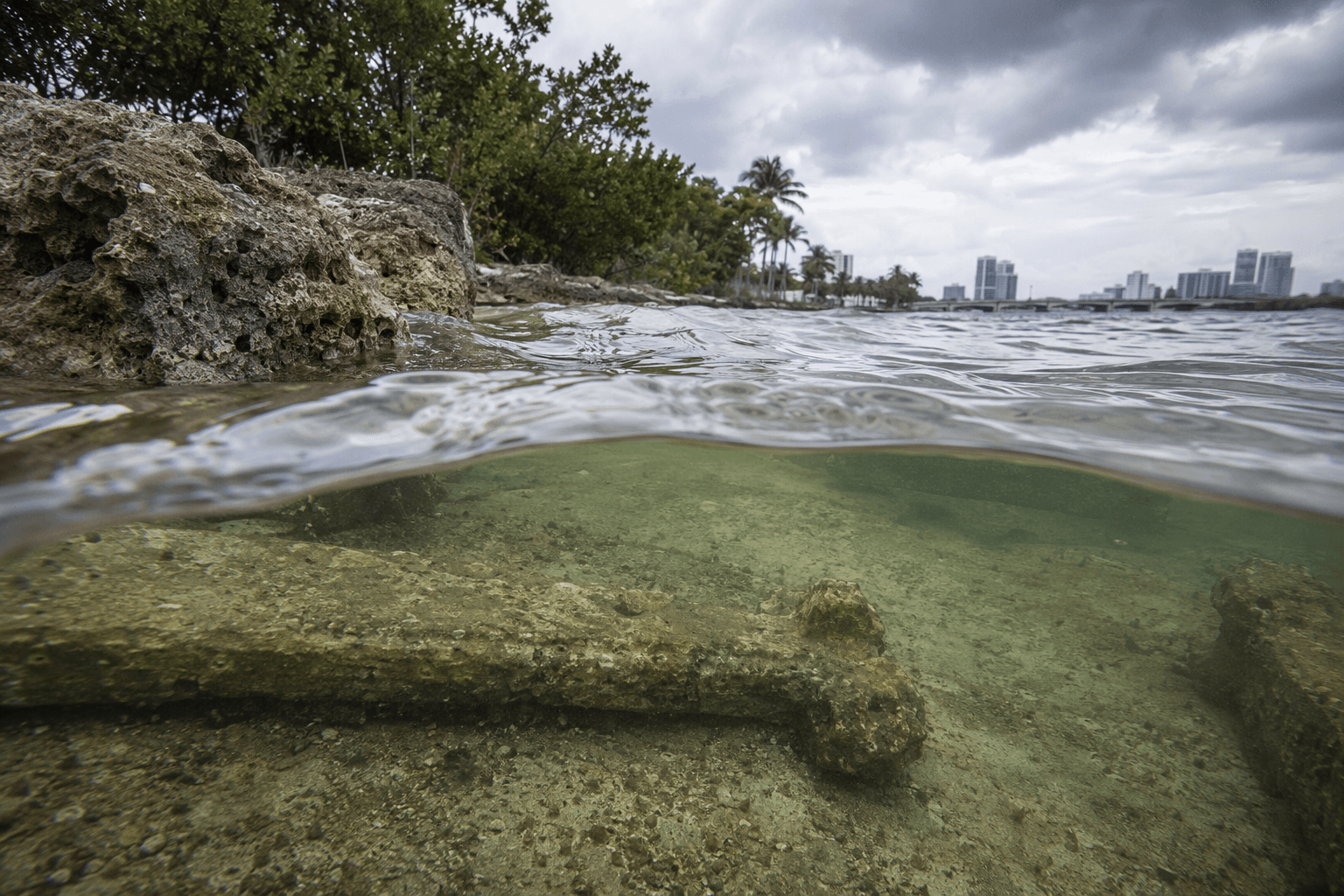
Broward residents live on top of a layered landscape: the county’s preservation system now tracks and helps protect more than 255 archaeological sites, including places on land and underwater. More than 70 of those sites are covered by local ordinance, which makes archaeology here a practical local-government issue, not just a museum subject.
A countywide preservation system, not just a museum wall
The Broward County Preservation Program works with the Broward County Preservation Board to preserve cultural resources across the county. That includes the obvious places people see every day, but also traces buried beneath neighborhoods, along waterways and below coastal waters. In a county formed in 1915 from parts of Dade County, Florida, and Palm Beach County, Florida, that broader frame matters because modern development sits directly on top of older human history.
The Broward County Historic Preservation Board says its purpose is to encourage respect, understanding and preservation of Broward County’s local history. It also says it is responsible for collecting, arranging, recording, preserving and maintaining archives, museums, libraries, historical artifacts, data and other materials relating to the history and archaeology of Broward County and Florida. That gives the county a clear civic role: it is not only identifying sites, but building the records and institutions needed to keep them legible over time.
The board’s legal footprint is also long-established. Broward County Ordinance #72-16 created the board on November 21, 1972, and Ordinance #74-10 amended it on June 18, 1974. Those dates show that archaeology and historic preservation have been embedded in county governance for decades, long before South Florida’s current wave of growth and redevelopment.
Why land sites and underwater sites are treated differently
Broward’s preservation story is unusual because it covers both terrestrial and submerged resources. Many counties have archaeology tucked into land-use review, but Broward’s system has to account for coastal change, drainage projects, shoreline development and the permanent churn of construction. That makes the distinction between land and underwater sites central to how the county manages its past.
Florida’s Department of State, through the Division of Historical Resources, maintains an underwater archaeology program and laws governing underwater cultural resources. The division says its mission is to preserve and promote Florida’s historical, archaeological and folk culture resources. For Broward, that state framework matters because underwater sites are not treated as an afterthought: they are part of a formal legal and research system with their own rules, review standards and protections.
Broward County’s own archaeological preservation jurisdiction map, labeled HP-2 Broward County Archaeological Preservation Jurisdiction, reflects that policy reality. The map shows that archaeology is built into county planning, not handled only after damage is done. In a fast-growing county, that kind of mapping helps guide where local review applies before a project moves too far to reverse course.
What local protection actually changes
The county says more than 70 archaeological sites are protected by local ordinance. That matters because local ordinance protection gives the county a stronger hand when development pressure reaches a documented site. It also means archaeology is being managed through the same county systems that shape roads, construction, permitting and land-use decisions.
Broward County Ordinance No. 2024-31 adds another sign that this remains an active policy area. The ordinance amends sections of the county code dealing with preservation of historical cultural resources sites, showing that county government continues to adjust its rules as development patterns and preservation needs change. In practice, that kind of update is where stewardship becomes enforceable: it defines how cultural resources are reviewed, protected and folded into the county code.
That is also why archaeology in Broward should be understood as a working public service. The county is not only cataloging old places; it is deciding how to keep those places from being erased by construction, erosion or neglect. The result is a preservation system that reaches beyond exhibits and into the everyday mechanics of county governance.
Funding and support for preservation work
Broward County also runs a Historic Preservation Challenge Grant Program. The county says the purpose of the program is to provide financial support for the preservation and rehabilitation of historic resources. That gives property owners, institutions and preservation advocates a direct channel for help, especially where rehabilitation costs can stand in the way of saving a structure or site.
The grant program is important because preservation is expensive even when the site is already known. Stabilizing a historic resource, documenting it properly or adapting it for continued use often requires money before the public sees any visible result. A county grant program helps turn preservation from a theoretical commitment into a budgeted activity.
Taken together, the grant program, the preservation board, the jurisdiction map and the local ordinances form one system. One part identifies what matters, another sets the rules, and another helps pay for the work of keeping those resources intact.
How Broward’s past stays visible in a rapidly changing county
Broward’s modern identity is often tied to highways, housing, tourism and coastal development, but the county’s preservation framework shows a longer story underneath that growth. Archaeology helps connect today’s municipalities to earlier layers of settlement, use and movement across the region. The county’s official preservation role makes that history visible in places where it would otherwise be swallowed by redevelopment.
The practical value is straightforward. Sites protected by ordinance have a better chance of surviving construction pressure. Underwater resources can be recognized before they are disturbed. Countywide mapping and state-level review create a paper trail that helps planners, historians and residents understand what is at stake before ground is broken.
That is what Broward’s archaeology program really protects: not just relics, but the county’s ability to keep evidence of its past in view while it keeps growing.
This article was produced by Prism’s automated news system from verified source data, official records, and press releases, then run through automated quality and moderation checks before publishing. The system is built and supervised by the people who set the standards it runs under. Read our full AI policy.
Did this article answer your question?