Broward residents warned as South Florida parasite cases rise
Broward health officials are warning about rising cyclospora cases, with Dr. Cornelius Powell saying the parasite may be living on green leafy vegetables.
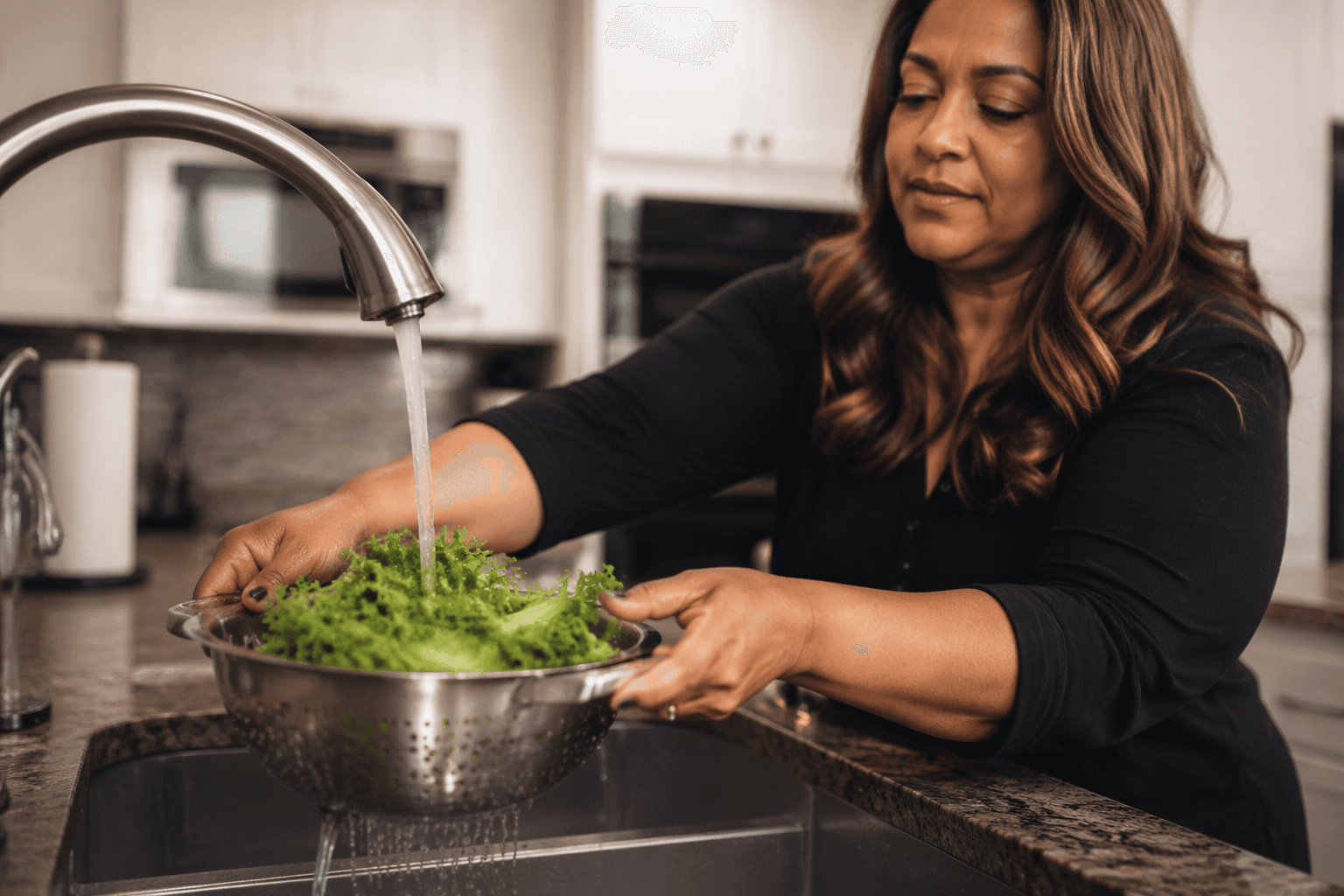
Broward County residents were warned as South Florida cyclospora cases climbed, with Dr. Cornelius Powell pointing to green leafy vegetables as the most likely source under scrutiny. Florida had 94 confirmed cases of cyclosporiasis from May 1 through July 11, and Miami-Dade County had the highest number of infections while Broward cases were also confirmed.
Powell said, “We don't have a definitive source yet, but there's a high likelihood that this parasite lives on green leafy vegetables,” putting salads, wraps, prepackaged greens and restaurant dishes in the spotlight for families across Broward. He also told viewers to “Wash your fruits and vegetables,” a warning that lands directly with grocery shoppers, school kitchens and food workers handling raw produce every day.
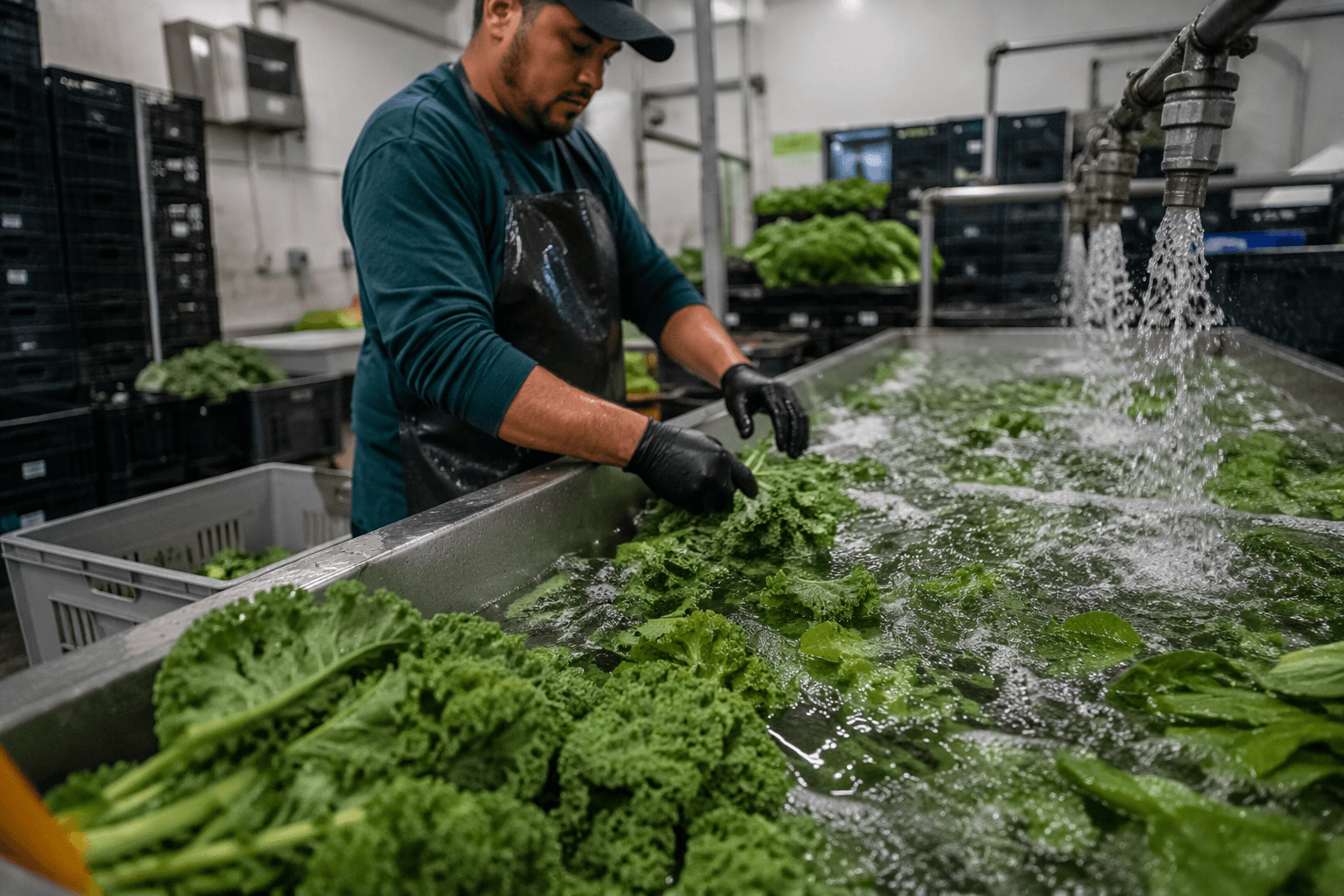
What to watch for in Broward kitchens and restaurants
Cyclosporiasis is an intestinal illness caused by the parasite Cyclospora cayetanensis, and the CDC says symptoms usually begin about a week after exposure. The illness can be prolonged and relapsing, so diarrhea that lasts more than a few days or keeps returning should prompt testing, especially when it comes with stomach upset or dehydration. Powell said symptoms can persist beyond a few days, which is part of what makes the infection harder to dismiss as a routine stomach bug.
Health officials have not identified a single definitive source yet, but the CDC says outbreaks have been linked to imported fresh produce such as raspberries, basil, snow peas and leafy greens. That history makes the warning especially relevant in South Florida, where raw salads and ready-to-eat greens show up in home lunches, restaurant plates, grocery coolers and catering trays. The CDC’s outbreak archive also points to salad as a recurring risk, including a 2002 outbreak in Germany tied to consumption of salad.
For Broward parents, caregivers and restaurant workers, the practical move is simple: pay close attention to raw produce, wash fruits and vegetables carefully, and do not ignore diarrhea that lingers or comes back after a short break. The Florida Department of Health’s count was still moving quickly in mid-July, and with Broward cases already in the mix, clinics across the county may continue to see patients with gastrointestinal symptoms tied to the outbreak.
This article was produced by Prism’s automated news system from verified source data, official records, and press releases, then run through automated quality and moderation checks before publishing. The system is built and supervised by the people who set the standards it runs under. Read our full AI policy.
Did this article answer your question?