Wasserman Schultz touts billions for Everglades restoration at Broward forum
Wasserman Schultz said she secured $1.3 billion for 2026 House bills, but Broward's flood, water and insurance plans show the risks still aren't gone.
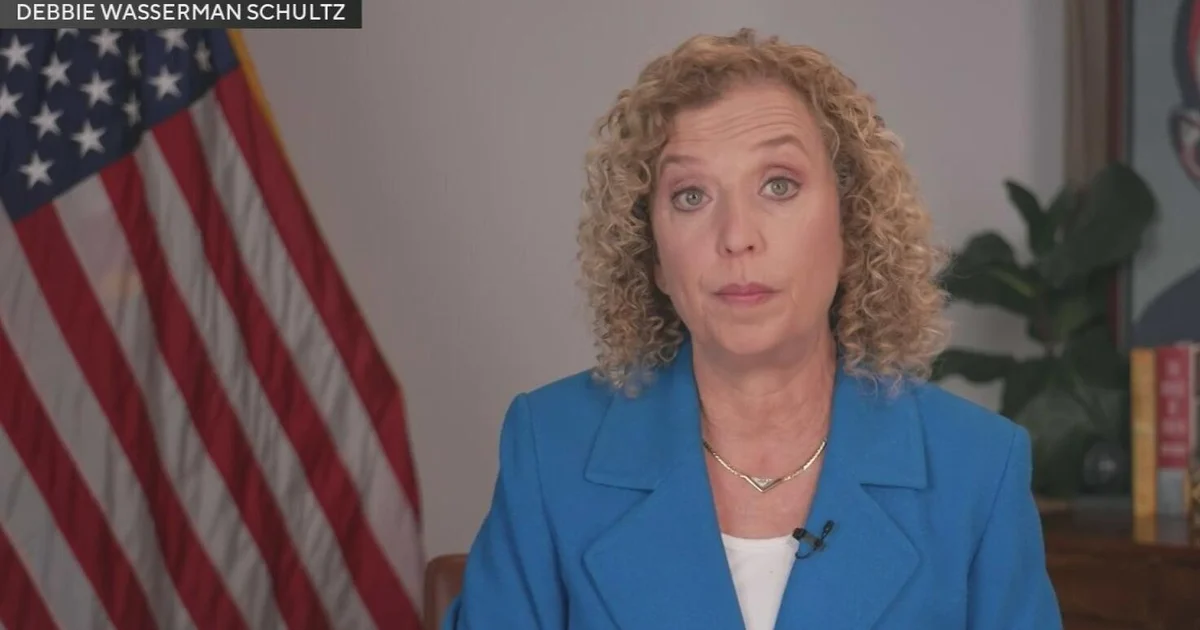
At a UL Broward voter forum, Rep. Debbie Wasserman Schultz said she secured $1.3 billion in 2026 federal funding in House bills, including $461 million for Everglades restoration and $11 million for community projects. She tied the spending to Broward County’s drinking water, flooding risk and broader climate pressures across South Florida.
The congresswoman’s office also said she secured millions in November 2024 to cut Port Everglades emissions, adding to a climate agenda she has pushed for years. But Broward’s own planning documents show why the issue remains politically potent: the county’s 2025 Climate Change Action Plan centers water resources, and its Countywide Resilience Plan models 10-, 25-, 50- and 100-year rainfall events under king tide conditions and sea-level-rise scenarios of 2 feet and 3.3 feet.
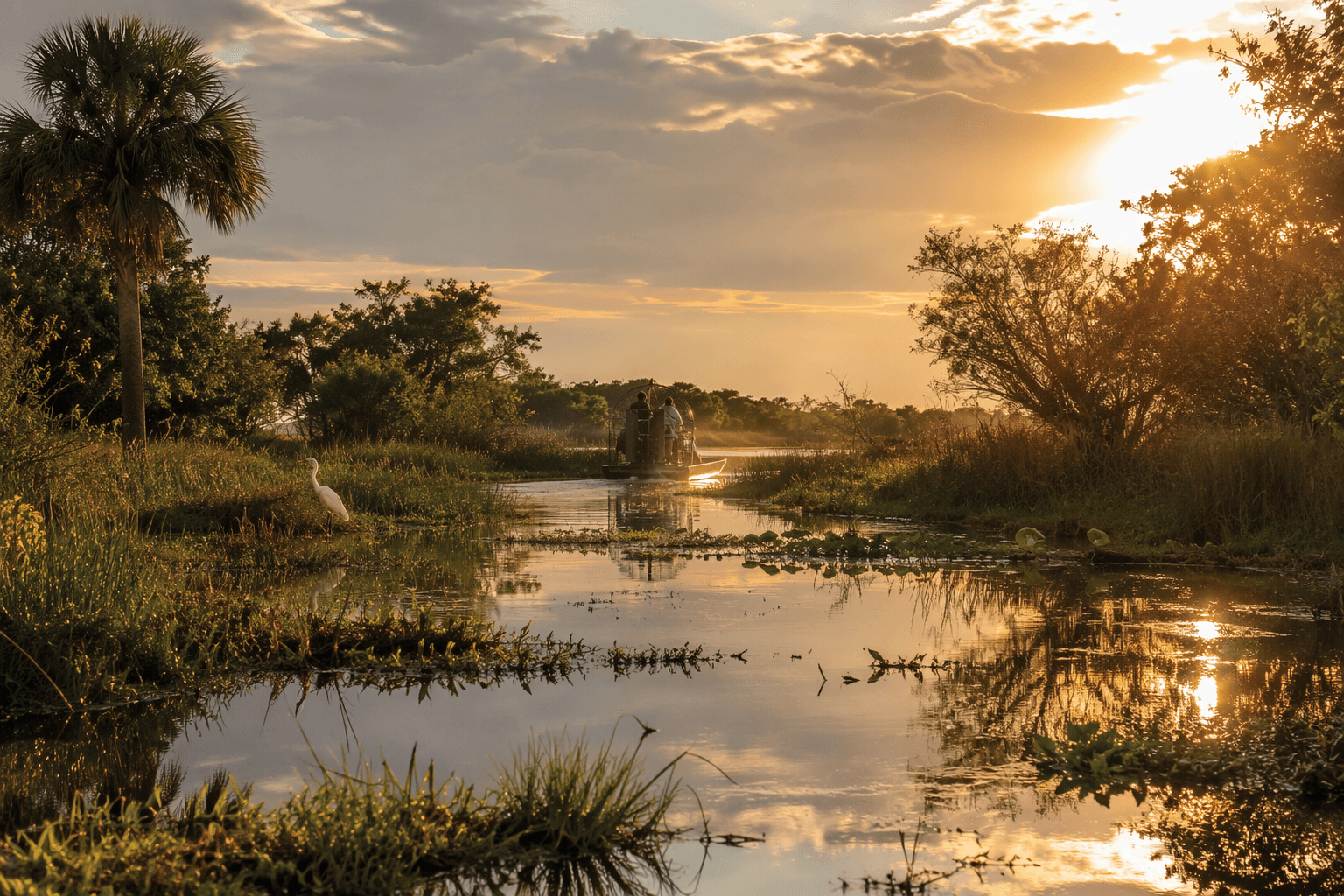
The federal case for Everglades spending is long-established. Congress authorized the Comprehensive Everglades Restoration Plan in 2000, after the Congressional Research Service described the Everglades as about half its historical size by the end of the 20th century because of federal water-supply and flood-control projects, agricultural runoff and urban runoff. The same CRS material says the ecosystem is home to 67 species listed under the Endangered Species Act.
For Broward, the question is not whether the Everglades matters, but whether the money has translated into measurable local protection. The South Florida Water Management District says it oversees water resources in 16 counties, from Orlando to the Florida Keys, across 17,930 square miles and a population of about 9 million. The district says its mission is to safeguard and restore South Florida’s water resources and ecosystems while protecting communities from flooding and meeting future water needs, goals that overlap directly with Broward’s concerns about saltwater intrusion and reliable drinking water.
The county’s resilience work shows those pressures are still active. Broward’s economic assessment says flooding reduces the economic and social well-being of residents and businesses, and the district-level political conversation has already linked climate risk to household costs: candidates in a June Congressional District 20 forum debated property insurance affordability. Wasserman Schultz has also framed the issue as an enforcement point before, including a February 12, 2019 statement condemning a decision to drill for oil in the Everglades and a July 2022 event in which the White House, the congresswoman and Miccosukee leaders touted $1.1 billion in restoration funding.
That history gives her Broward forum remarks a clear political test: whether federal Everglades dollars are producing visible protection in Broward, or simply keeping restoration on the promise list while the county still plans for flooding, salinity and rising insurance costs on its own.
This article was produced by Prism’s automated news system from verified source data, official records, and press releases, then run through automated quality and moderation checks before publishing. The system is built and supervised by the people who set the standards it runs under. Read our full AI policy.
Did this article answer your question?