Asheville food incubators show local startup pipeline is working
Big Deal Oatmeal's move from WNC FoodWorks to Blue Ridge Food Ventures shows Buncombe’s food incubator ladder can still turn a home kitchen brand into larger production.
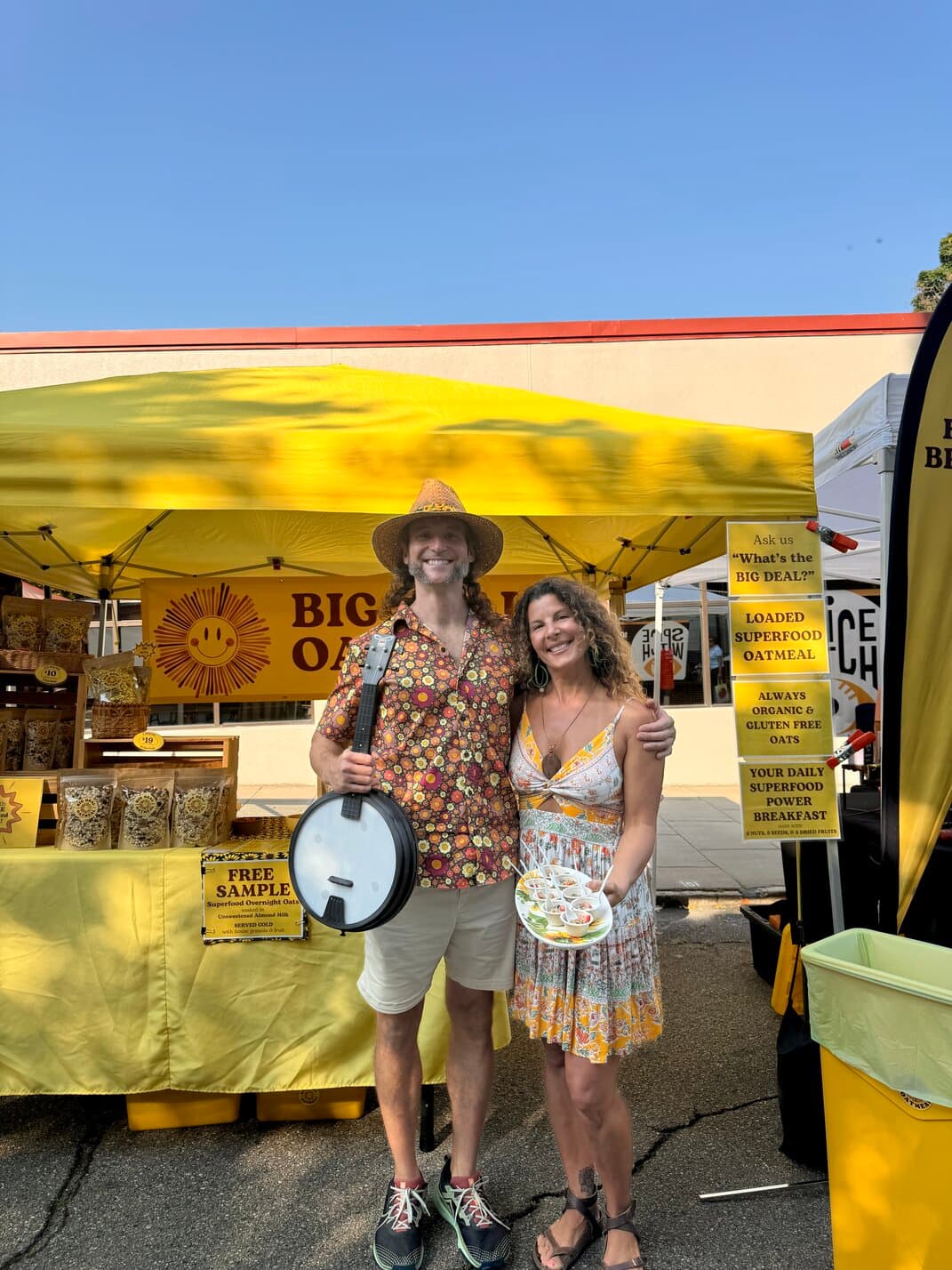
A home-kitchen oatmeal brand just made the jump Buncombe County’s food incubators were built to produce. Big Deal Oatmeal moved its manufacturing in April from WNC FoodWorks to Blue Ridge Food Ventures, turning one small Asheville startup into a live test of whether the local food economy can still scale brands here instead of pushing them elsewhere.
That move is bigger than a single product line. It shows a working pipeline from shared kitchen space to larger production, with the next stop being real volume, more jobs, and a stronger base of local suppliers, processors, and buyers. In a region where the broader economy has remained uneven after Helene, that kind of upgrade matters because it keeps value, talent, and production rooted in Western North Carolina.
A ladder built for local food growth
The story of Big Deal Oatmeal follows the path that Asheville-area food incubators have been trying to make normal. The brand started about three years ago in the kitchen of a rental property owned by co-founder Missi Ziegler, then sold from a booth at the West Asheville Tailgate Market before outgrowing that home setup in late 2023. From there, the founders became among the first local food entrepreneurs to begin production at WNC FoodWorks when that incubator had just launched at the WNC Farmers Market.
That progression is what makes the April 2026 move noteworthy. Big Deal Oatmeal did not vanish from the local system when it needed more space. It graduated into a larger Asheville-area facility, a sign that the county’s startup pipeline is not just creating businesses at the entry level, but also giving them a place to scale without abandoning the region.
What the two incubators do differently
WNC FoodWorks and Blue Ridge Food Ventures are meant to serve different stages of the same journey. Dogwood Health Trust describes WNC FoodWorks as a 5,000-square-foot training and educational facility at the WNC Farmers Market, designed for aspiring food entrepreneurs. Dogwood said it expected the facility to generate 36 new enterprises, 50 new jobs, and technical guidance for more than 200 people in its first three years.
That makes WNC FoodWorks the front door. It is where a founder can move from a home kitchen, a market booth, or a very small batch operation into a more formal business structure with help on food safety, production routines, and day-to-day scaling. It is also where newer operators can start with less risk, including people with deep food-service experience, such as an Asheville City Schools nutrition manager with more than 25 years in the field, and founders who joined FoodWorks in 2023 to get their businesses off the ground.
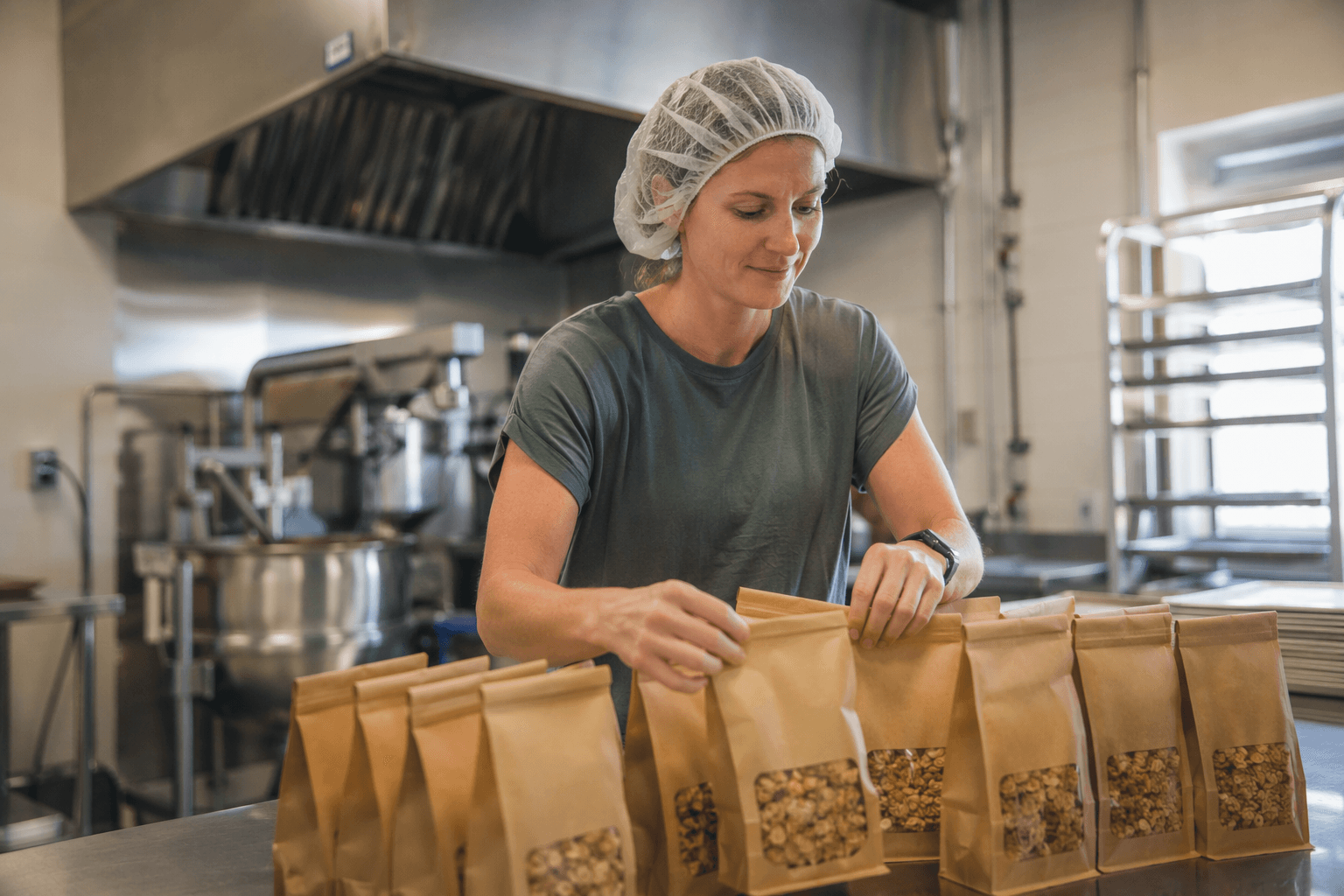
Blue Ridge Food Ventures is the next step. Opened in 2005 at A-B Tech’s Enka campus, it is now described as an 11,000-square-foot shared-use kitchen and natural-products manufacturing facility. A-B Tech says it supports product development, regulatory guidance, bottling and packaging, marketing, and label design, which is exactly the kind of help a small company needs once it is ready for bigger production runs and wider distribution.
Why Big Deal Oatmeal’s move matters
Blue Ridge Food Ventures general manager Michael McDonald said the company’s move is a milestone for Asheville’s local food industry because it shows the small-business growth pathway envisioned years ago by the Center for Agricultural and Food Entrepreneurship. That is the key point for Buncombe County: the incubators are not just helping people make food, they are helping them stay in business long enough to build real scale.
Blue Ridge Food Ventures says it has served more than 250 clients since opening, with 31 clients graduating from the program and about 50 active clients in a typical quarter. It also says more than $15 million in products have been made there since 2005. Labor-assisted production generally starts with products that already have sales, and minimums often begin around 2,000 units per production run, which is a clear sign that the facility is built for companies moving beyond test batches and farmers-market volume.
That matters for local jobs and farm demand. When a food brand moves from a tiny kitchen to a shared manufacturing facility, it is not only making more product. It is also buying more ingredients, using more packaging, creating more work for processors and distributors, and increasing the odds that a business can support paid staff instead of relying only on the founders’ labor. In a place like Buncombe County, that can help convert local agriculture and small-scale food production into a more durable ecosystem.
A local ecosystem that has already proven itself
The record around Blue Ridge Food Ventures shows how long this model has been part of Asheville’s economic strategy. Earlier reporting described BRFV as North Carolina’s first kitchen facility for farmers and food entrepreneurs, and one of the largest shared-use food facilities in the Southeast when it opened in 2005. Older accounts said it served roughly 50 to 70 producers a year and generated about $3 million in annual revenue. The facility also became home to recognizable local names such as No Evil Foods and Roots Hummus, proof that shared infrastructure can produce companies with real market reach.
That history matters because it shows the incubator system is not experimental anymore. Blue Ridge Food Ventures helped establish the model, and WNC FoodWorks now extends it downstream by giving newer entrepreneurs a lower-cost place to start. The result is a ladder: home kitchen to market booth, market booth to entry-level incubator, and then to a larger production facility once demand justifies the move.
For Buncombe County, the most important takeaway is not that one oatmeal company found a bigger kitchen. It is that the county appears to have built a functioning manufacturing pathway for small food makers, one that can keep businesses local long enough for them to grow into shelf-ready brands, steadier employers, and stronger buyers for regional farms.
This article was produced by Prism’s automated news system from verified source data, official records, and press releases, then run through automated quality and moderation checks before publishing. The system is built and supervised by the people who set the standards it runs under. Read our full AI policy.
Know something we missed? Have a correction or additional information?
Submit a Tip