Asheville recording studios lean on community to survive industry pressure
Asheville's studios are staying afloat by sharing labor and clients, even as costs rise and one of the city's best-known rooms keeps changing hands.
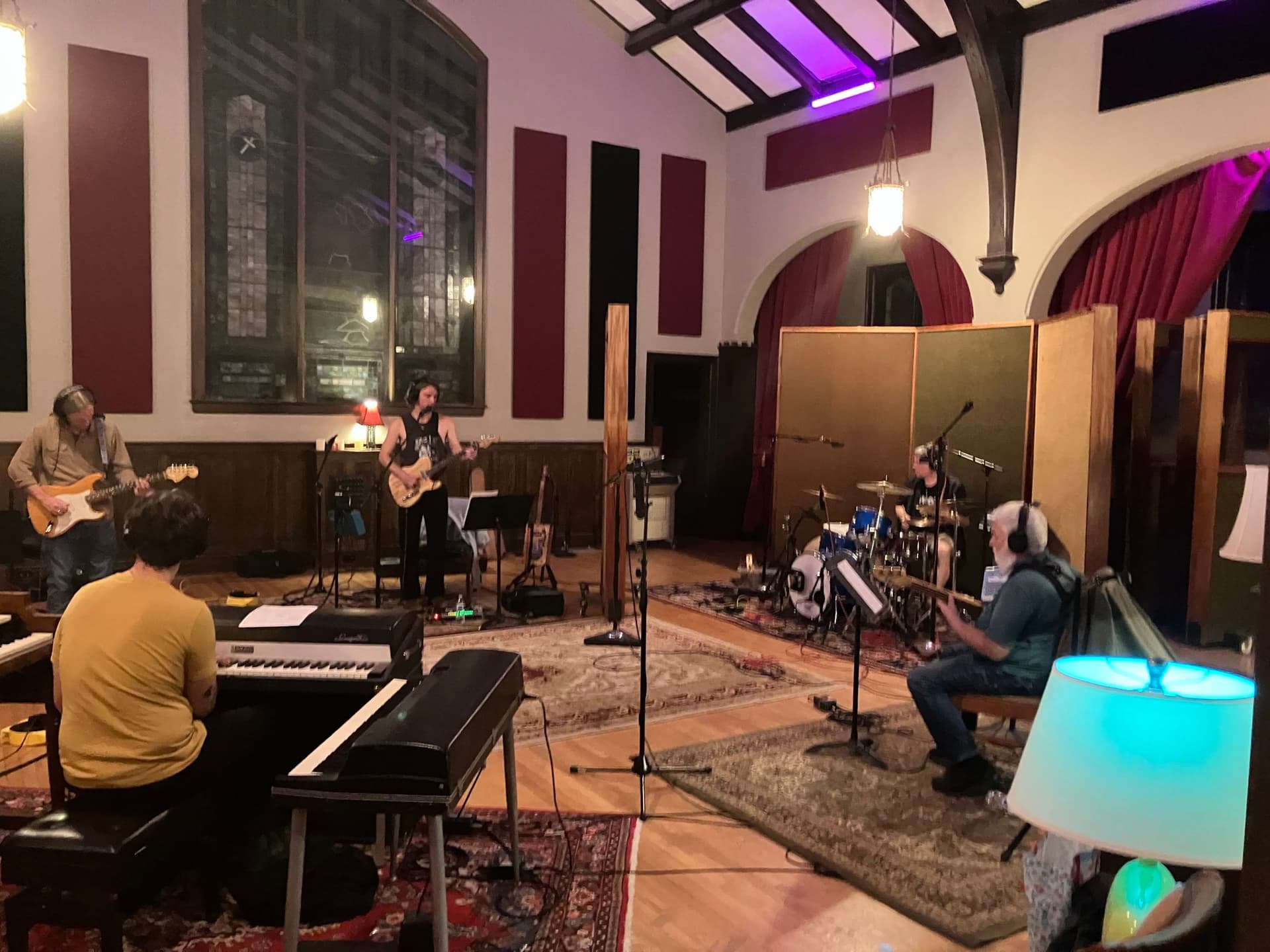
As Asheville's recording studios feel pressure from rising costs and a changing music business, the city's answer is less expansion than cooperation. With about a dozen studios in and around the area, the local scene is dense enough to share labor, refer clients and keep projects moving, which may be the difference between a resilient niche and a fragile one.
A small city with an unusually crowded studio map
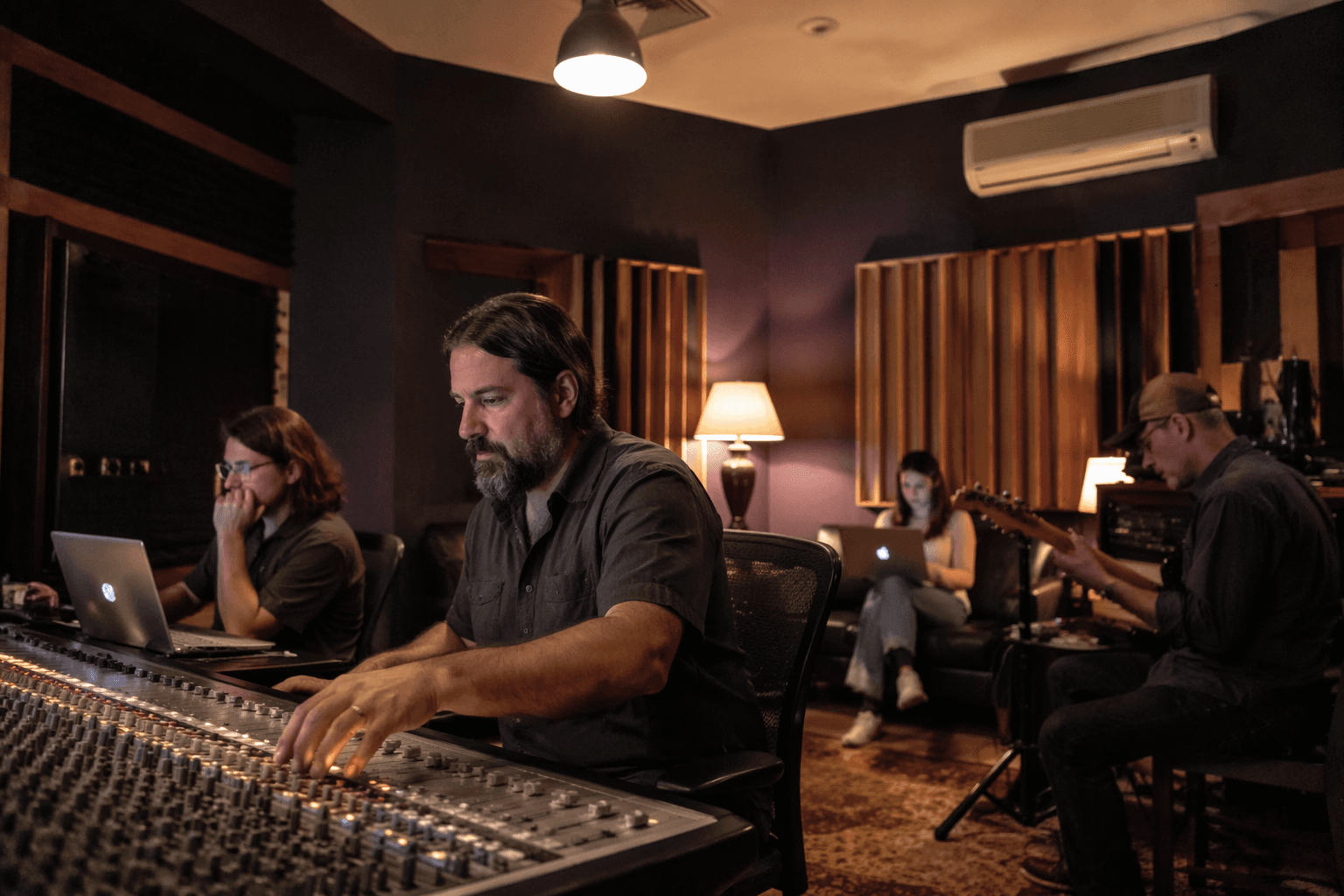
For a city Asheville's size, the number matters. About a dozen recording studios in and around town gives musicians more options than most places of similar scale, and it gives studio owners a way to lean on one another when bookings are uneven or budgets get tighter. In practice, that means a session can move from one room to another, an engineer can pick up work through a referral, and an artist can find a setup that fits a tighter budget without leaving the local market.
That density is also a sign of pressure. In an industry that increasingly rewards scale, small studios do not survive by acting like isolated competitors. They survive by behaving like part of a shared infrastructure, especially when rising operating costs and changing consumer habits make every session matter.
A city where recording history still carries weight
Asheville's studio economy is not just a business story. It sits on top of a century-old cultural claim that still shapes how the city sees itself. A 1925 OKeh Records session on the rooftop of the George Vanderbilt Hotel in downtown Asheville was described by WUNC as the first attempt at capturing and marketing the sounds of Appalachian musicians in Appalachia. WUNC later called those sessions "the fuse that lit the big bang of country music."
That history still matters because it gives recording work symbolic weight in Asheville that it might not have elsewhere. The city's musical reputation was reinforced again in 2025, when Asheville marked the centennial with performances, panel discussions and a remastered reissue of Music from the Land of the Sky. In a local economy built partly on culture, the studio world is carrying both commercial and historical expectations.
The numbers behind Asheville's music economy
The broader economics help explain why studios remain worth fighting for. ArtsAVL's music-sector reporting says Buncombe County's music industry generated $436 million in total economic activity in 2023, supported about 2,190 jobs and produced more than $39 million in tax revenue. That is not a boutique side business. It is a measurable slice of the county's economy.
The music sector also sits inside a larger creative labor market. Earlier chamber data put Buncombe County's creative sector at 7,993 jobs and $397.8 million in earnings. Those figures show that recording studios are part of a wider network of artists, technicians, venues and small businesses that depend on one another for work. When one part of that chain weakens, the effects do not stay in one building.
Tourism and culture keep the ecosystem alive
Asheville's arts identity is not separate from its tourism economy. The Asheville Area Chamber of Commerce says tourism is the region's second-largest driver of economic growth, behind healthcare, and supports 1 in 7 jobs in Buncombe County. The chamber also says more than 28,000 visitors come to Asheville and Buncombe County every day.
That flow of visitors helps sustain the atmosphere in which studios can operate. Tourists are drawn by the city's music and culture, and that attention helps support local artists and small businesses that feed the recording economy. In a place where live music is part of the brand, studio work benefits from the same cultural halo that supports venues, nightlife and the broader creative image Asheville sells to the outside world.
Where the pressure shows up
The strain is real, though, and it shows up most clearly in the spaces themselves. A 2024 creative-spaces report identified availability and affordability problems for creative space in Asheville and Buncombe County, a warning sign for any industry that depends on specialized rooms and long-term leases. ArtsAVL has framed its creative-spaces work as a first step toward addressing those problems, which suggests the market is still searching for durable answers.
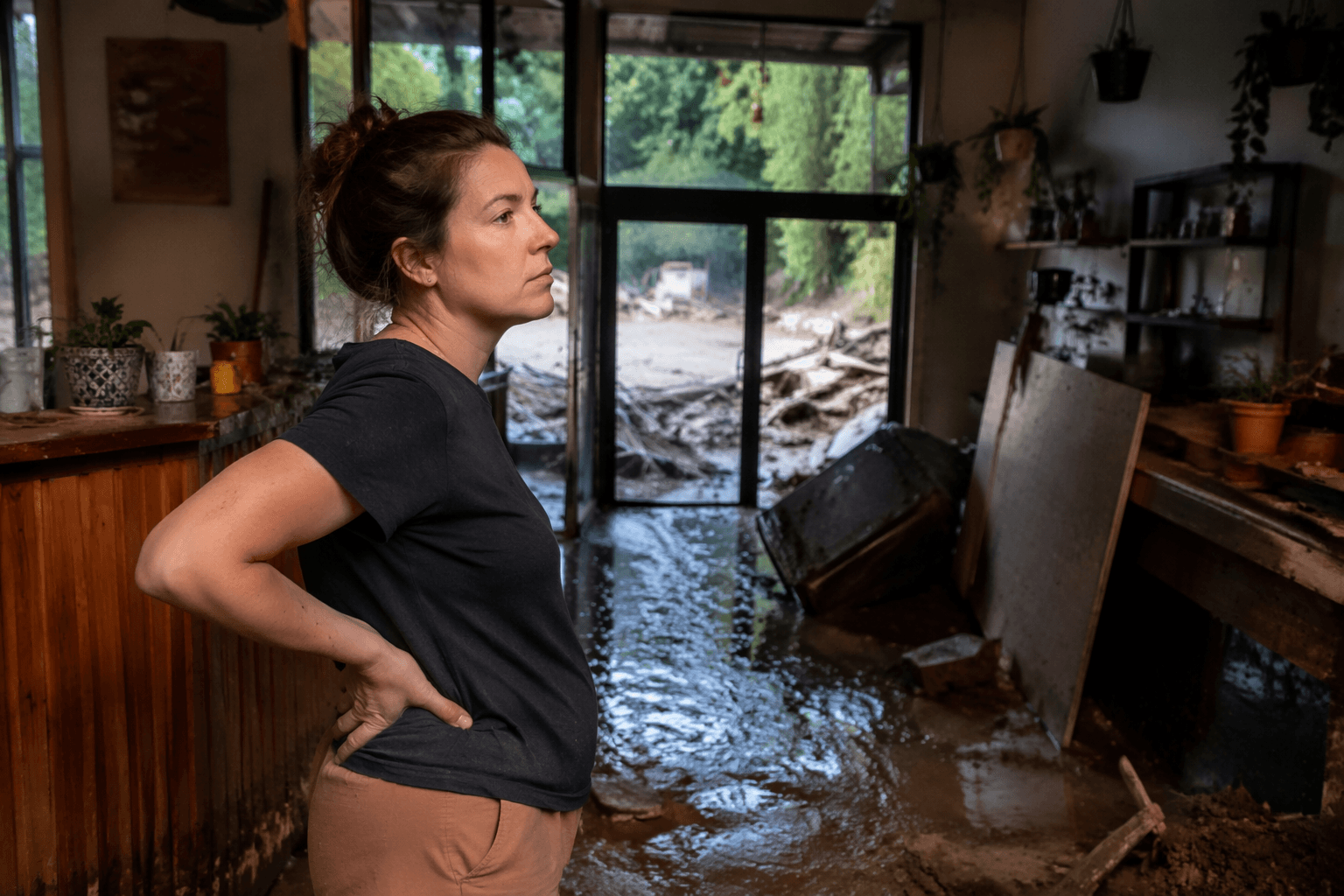
Echo Mountain Recording illustrates the instability. In March 2024, the studio announced it would move from downtown Asheville to a 68-acre property north of the city. A later report said it would close at the end of 2025. Another report later in 2025 said the brand would reopen in 2026 under new ownership at its original historic church property. That sequence tells a larger story: even one of Asheville's best-known studios has had to relocate, close and reemerge as ownership and operating conditions changed.
What resilience looks like now
The lesson in Asheville is not that studios are immune to industry pressure. It is that the surviving rooms are adapting by acting less like standalone businesses and more like a network. Shared labor, client referrals and cross-promotion are not just friendly gestures. In a market shaped by rent pressure, fluctuating demand and a national industry that favors larger players, they are survival tactics.
That is why the studio question matters beyond the walls of any one building. Asheville's recording rooms are still part of the county's creative identity, but they are also a test of whether local culture can keep producing work that pays, employs and attracts people in a market that rarely gets easier. For now, the advantage is not scale. It is the stubborn habit of studios in Asheville to keep helping each other make the next session happen.
This article was produced by Prism’s automated news system from verified source data, official records, and press releases, then run through automated quality and moderation checks before publishing. The system is built and supervised by the people who set the standards it runs under. Read our full AI policy.
Know something we missed? Have a correction or additional information?
Submit a Tip