Asheville food scene adapts with new menus, tours and events
Asheville restaurants are leaning on new menus, brewery tours, rooftop refreshes and event calendars to rebuild traffic as recovery and summer tourism keep pressure high.
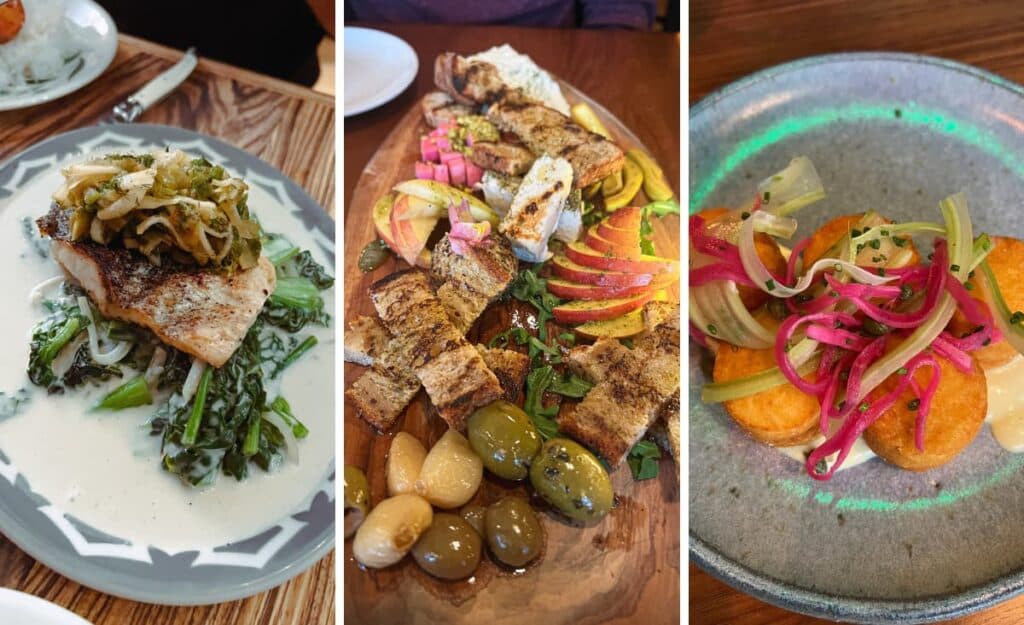
Asheville’s dining scene is not standing still. New brunch and lunch menus, award-winning bites, a brewery tour and tasting experience, a rooftop restaurant renovation, and a busy calendar of food, beer and wine events all point to the same thing: operators are working hard to keep seats full as Buncombe County moves through Helene recovery and into summer tourism season.
The latest round of food news matters because it is more than a lifestyle update. In Asheville, every menu change and every special event is also a signal about business confidence, staffing, and whether a place believes local demand and visitor traffic are strong enough to support new investment. In a market that depends on both residents and travelers, even small changes can reveal where the hospitality economy is finding its footing.
Menus that aim for daytime traffic
The most immediate sign of adjustment is the push into new brunch and lunch offerings. Those daypart changes matter in a city where tourism traffic can be uneven and where restaurants often need to stretch revenue beyond dinner service. A stronger brunch or lunch lineup can help fill tables before evening rushes, support more predictable labor scheduling, and capture visitors who are building their day around downtown, the River Arts District, or other Asheville stops.
The fact that award-winning bites are part of the same roundup reinforces that the city’s dining identity is still tied to quality as well as convenience. Restaurants are not just chasing foot traffic. They are also using recognition, creative dishes, and polished presentation to keep Asheville competitive in a regional food landscape that stretches across Western North Carolina.
Experiences are becoming part of the menu
A new brewery tour and tasting experience shows how Asheville’s beverage scene is widening beyond the barstool. That kind of offering turns a drink stop into a planned outing, which is valuable in a tourism-driven market. It gives visitors another reason to spend time, and money, in town while also helping breweries and taprooms draw in customers who want something more structured than a walk-in pour.
The same strategy appears in the roundup’s mention of inspiring film-watching and food-focused events. Asheville has long benefited from a culture that blends dining with entertainment, and operators are leaning into that mix. In practice, that means restaurants and beverage businesses are not just selling food and drink. They are selling an evening, a tour, or a shared experience that can keep people in the neighborhood longer and make the business feel part of the city’s social fabric.
Rooftop renovations signal confidence
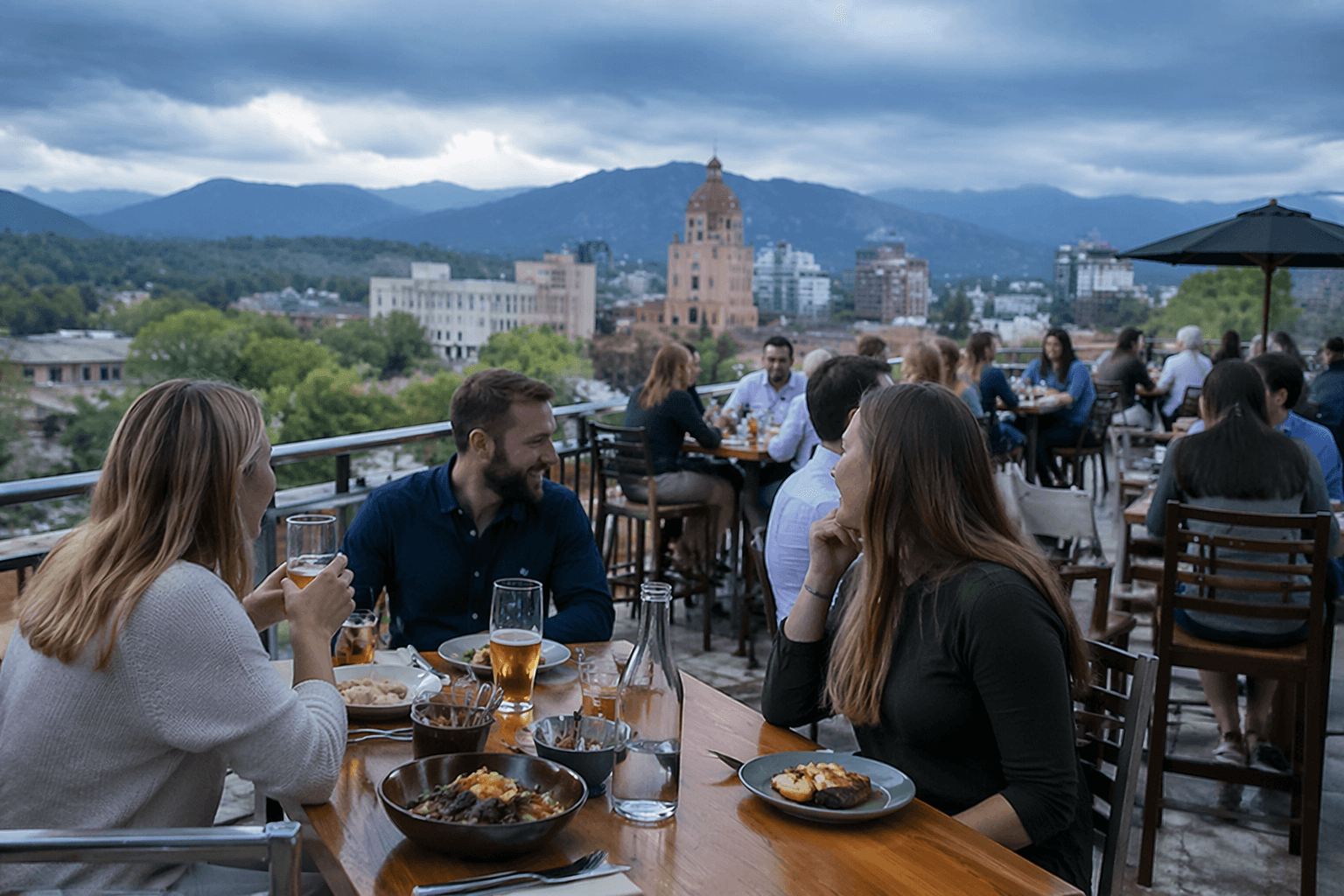
A rooftop restaurant renovation stands out because it suggests capital investment at a moment when many operators are still focused on basic stability. Renovations are expensive, disruptive, and usually a sign that an owner thinks the market will support the payoff. In Asheville, that kind of bet matters because visible upgrades often shape how visitors perceive the city’s recovery and how locals decide where to spend limited discretionary dollars.
Rooftop spaces also carry symbolic weight in a tourism city. They are tied to views, atmosphere, and the kind of destination dining that can help Asheville compete for weekend travelers and event visitors. A renovation like this suggests at least one operator sees enough demand ahead to keep improving the product rather than scaling back.
Recovery remains the backdrop
All of this sits inside Buncombe County’s longer recovery effort after Helene. On Nov. 18, 2025, the Buncombe County Board of Commissioners adopted the Helene Recovery Plan, a five-year strategy built with the county’s six municipalities and based on input from more than 2,600 community members. The plan lays out 114 projects covering flooding, landslides, infrastructure damage, housing, economic revitalization, and resilience.
County officials have also said recovery was slowed by damage to public water infrastructure. That detail helps explain why restaurant updates matter so much. When water systems, infrastructure, and neighborhood stability are still being repaired, even a new menu launch or a reopened dining room becomes part of the broader rebuilding picture. Hospitality businesses are often among the first places residents and visitors notice change, which makes them a useful gauge of how recovery is moving on the ground.
Tourism is still the main growth engine
Explore Asheville’s messaging shows why these dining updates are landing at a crucial moment. At its Jan. 12, 2026 “The Year Ahead 2026” gathering at The Orange Peel, nearly 350 community leaders and travel and hospitality partners came together around the idea that Asheville is open for business and still investing in a stronger, more resilient future. The organization said visitors spent $2.5 billion across local independent businesses in 2024, and that it helped secure nearly 480 events and conferences that generated $67 million in direct spending.
Those numbers give the restaurant story real economic weight. Dining and beverage businesses are not isolated from the tourism economy. They are part of the spending loop that feeds hotels, event venues, retail, transportation, and downtown foot traffic. When Explore Asheville talks about the visitor economy, it is also describing the conditions that help restaurants survive slow periods and justify new investment.
The tourism authority’s fiscal-year 2025 figures make that point even more clearly. It said meetings and group travel generated $67.4 million in direct spending, with 477 events and groups and 115,393 room nights. That is the kind of demand base that supports brunch service, tasting experiences, and special-event dining. It also helps explain why operators are still introducing new ideas rather than pulling back.
What 2026 is expected to bring
Explore Asheville’s 2026 outlook points to more pressure, and more opportunity, for local food businesses. The return of the PGA TOUR’s Biltmore Championship Asheville will bring another round of visitors and attention. The organization is also highlighting newly recognized MICHELIN restaurants and expanded dining and cultural offerings, both of which can amplify Asheville’s reputation as a food city with national appeal.
For Buncombe County, that combination is important. The county is still working through recovery, but the hospitality sector is already making forward-looking moves: new menus to catch lunch crowds, tours to deepen visitor spending, renovations to refresh the experience, and events that keep the calendar busy. Taken together, those changes show a local food economy that is still adapting, still investing, and still trying to turn resilience into revenue.
This article was produced by Prism’s automated news system from verified source data, official records, and press releases, then run through automated quality and moderation checks before publishing. The system is built and supervised by the people who set the standards it runs under. Read our full AI policy.
Know something we missed? Have a correction or additional information?
Submit a Tip