Pisgah Conservancy Wins $8 Million Grant for Helene Forest Recovery Work
Pisgah Conservancy lands nearly $8 million from the National Forest Foundation to repair trails, bridges, and streambanks across the Pisgah Ranger District over 4.5 years.
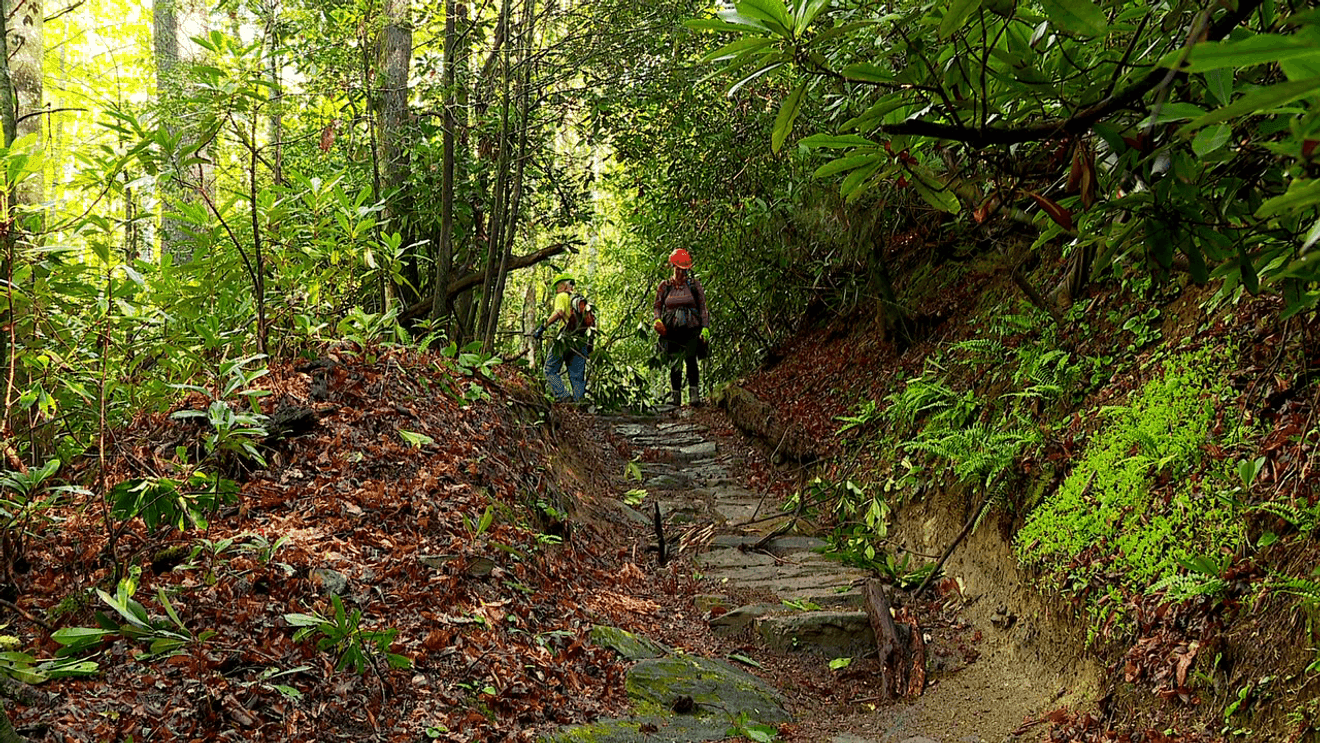
The Pisgah Conservancy has secured a nearly $8 million grant from the National Forest Foundation to fund trail bridge reconstruction, stream restoration, and trail infrastructure repair across the Pisgah Ranger District over the next 4.5 years, a targeted injection of local capacity into a recovery effort that has struggled to translate broad federal commitments into on-the-ground repairs.
The award, announced April 2, addresses a gap that has persisted since Tropical Storm Helene tore through western North Carolina in 2024, leaving miles of trails, dozens of bridges, and severely eroded streambanks degraded across Pisgah and the wider region. A roughly $290 million Good Neighbor Authority agreement had already committed significant federal dollars to recovery across Pisgah and Nantahala national forests, but executing repairs across rugged forest terrain requires specialized local operators. The conservancy has been deploying exactly that kind of workforce since the storm hit, including trail crew operators, certified sawyers, and restoration specialists.
The NFF grant will allow the conservancy to scale up that existing capacity: hiring additional crews, purchasing or leasing specialized equipment, and coordinating directly with the U.S. Forest Service on projects that have remained stalled or incomplete. Streambank stabilization work is also built into the grant's scope, targeting eroded banks to prevent future storm damage and make Pisgah's trail system more resilient before the next major weather event hits.
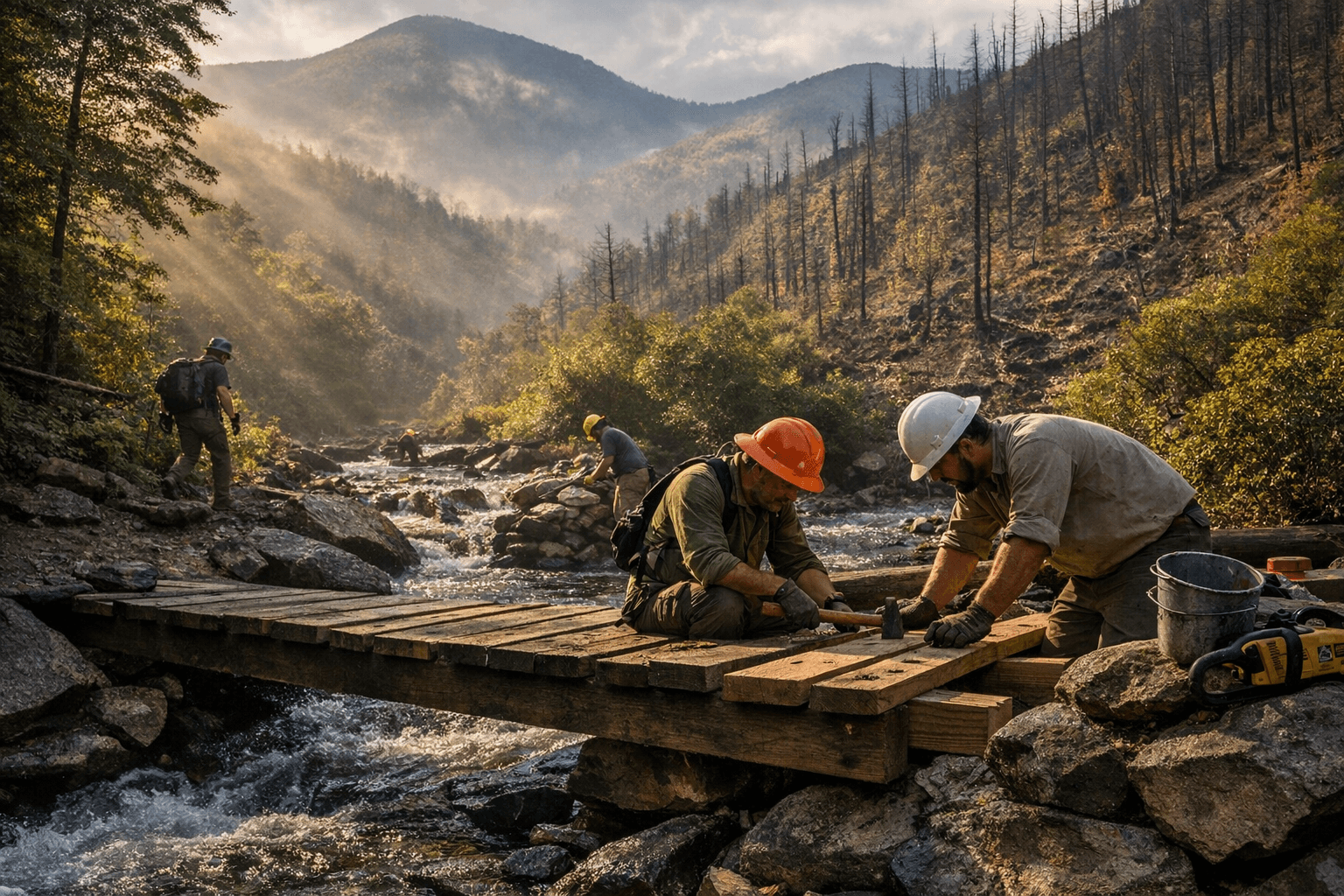
The multi-year structure matters for communities and businesses throughout Buncombe and neighboring counties that depend on Pisgah visitation. Hikers, mountain bikers, outfitters, lodging operators, and guides have all felt the economic drag of lost trail connectivity since Helene. Reopening degraded corridors and reconstructing washed-out bridges is not a cosmetic fix; it is a public safety and economic necessity for a region where Pisgah-area recreation drives significant local spending.
Officials framing the award described it as a pivotal step, not a finishing line. With substantial forest restoration still ahead and the 4.5-year timeline reflecting the true scale of what Helene left behind, the conservancy's role connecting National Forest Foundation funding, Forest Service priorities, and the crews doing the actual work on steep forest ground is the model that determines whether federal recovery dollars reach the damaged trail or stop at the spreadsheet.
This article was produced by Prism’s automated news system from verified source data, official records, and press releases, then run through automated quality and moderation checks before publishing. The system is built and supervised by the people who set the standards it runs under. Read our full AI policy.
Did this article answer your question?