Ujamaa Marketplace Returns to Asheville's Historic Black Business District
Ujamaa Marketplace brought vendors back to The Block on April 2, with monthly markets through May and a Juneteenth celebration set for June 19.
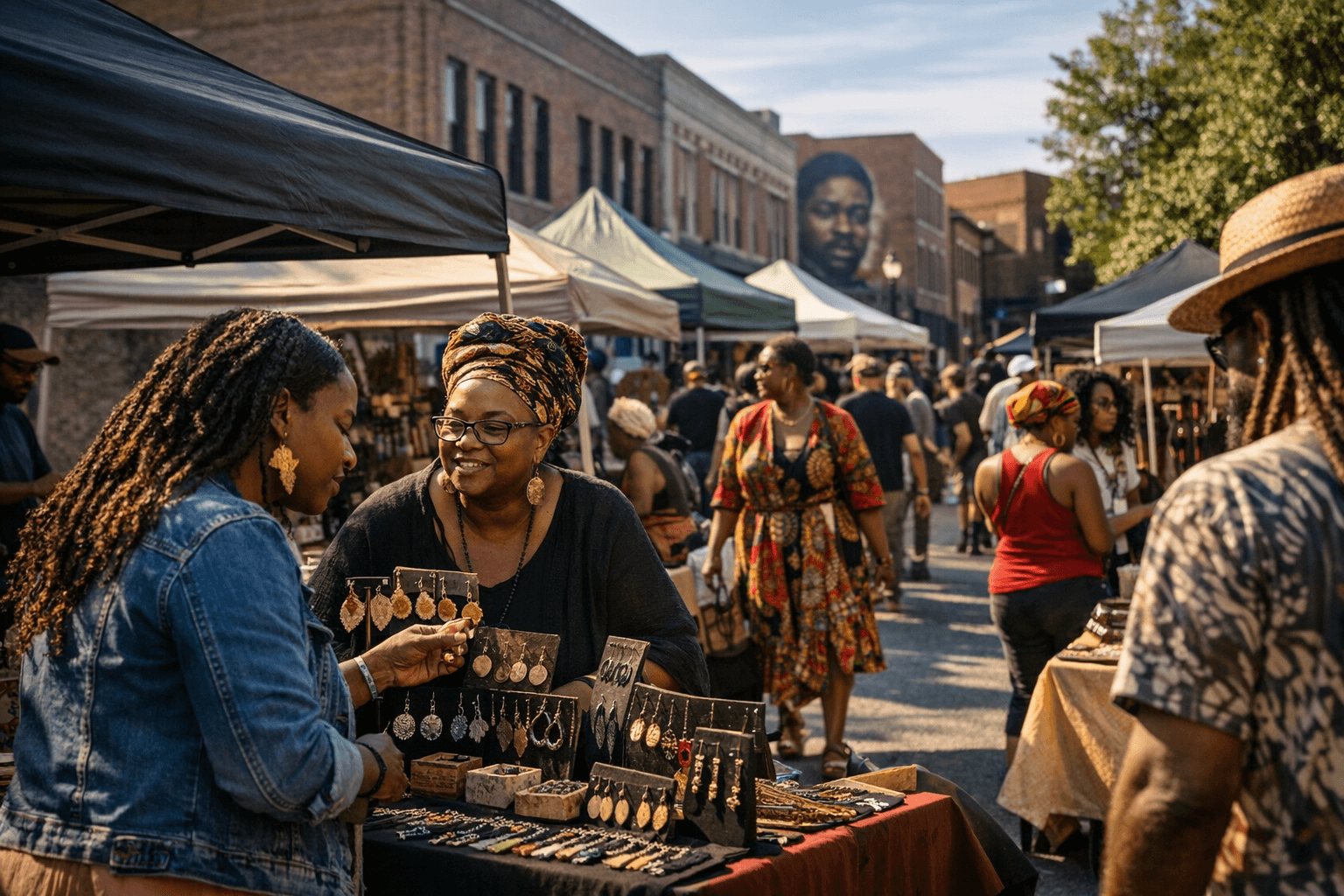
The Ujamaa Marketplace drew vendors back to The Block on April 2, marking the second monthly gathering in a series designed to restore economic and cultural life to Asheville's historic Black business corridor. The market runs 10 a.m. to 3 p.m. on the first Saturday of each month through May, with a full-day celebration planned for Juneteenth on June 19.
alexandria ravenel, director of cultural programming at the YMI Cultural Center and co-founder of Noir Collective AVL, organized the series with a specific frame in mind: she wants Black businesses and families with deep roots on The Block to "come back and participate and reclaim their space." For ravenel, each vendors' table represents an act of cultural restoration as much as a retail transaction.
Ramona Young, owner of Kente Kitchen Market, brought a more personal register to that idea. Young described the market's atmosphere as reminiscent of neighborhood life centered on The Ritz, a long-gone local restaurant, and compressed decades of displacement into three words: "I miss my home." Her presence, and her appreciation for efforts keeping that neighborhood memory alive, illustrated what ravenel and her collaborators are trying to rebuild.
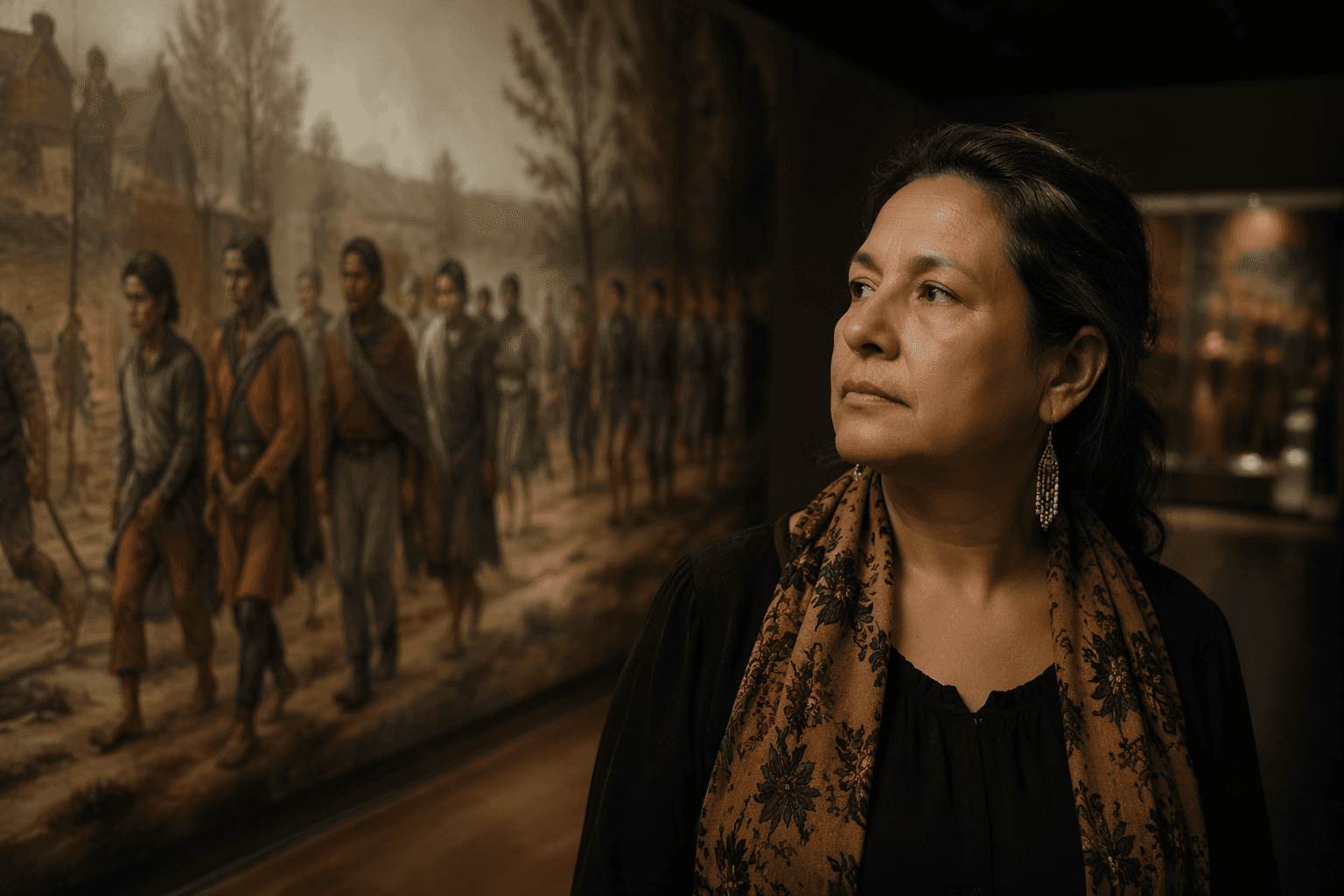
The Block's history makes that task urgent. Mid-20th century urban renewal policies systematically dismantled what had been Asheville's primary Black commercial and social corridor along Eagle and Market streets, scattering businesses and families and leaving behind decades of disinvestment. The Ujamaa Marketplace is explicitly positioned as part of a restorative economic development strategy, not generic event programming, providing vendors with income opportunities and foot traffic in a corridor where affordable retail space remains scarce.
The immediate challenge is financial. Short-term grants funding the series expire in June, and organizers are already watching vendor sales and attendance across the spring markets to build the case for continued investment. Conversations are underway about integrating the marketplace into established events such as the Goombay Festival and YMI gatherings, which could sustain momentum after the grant window closes.
The effort draws on multiple institutional players, including the YMI Cultural Center, The Block Collaborative, and the city's Boosting the Block initiative. How those partners coordinate over the coming months will determine whether the Ujamaa Marketplace holds its place on The Block's calendar long after June.
This article was produced by Prism’s automated news system from verified source data, official records, and press releases, then run through automated quality and moderation checks before publishing. The system is built and supervised by the people who set the standards it runs under. Read our full AI policy.
Did this article answer your question?