Weaverville approves code amendment to block crypto mining data centers
Weaverville moved to bar crypto mining data centers before any proposal arrived, citing pressure on power and water in a town guarding limited resources.
Weaverville moved to shut the door on crypto mining data centers before a single proposal landed in town, with the Town Council voting unanimously Monday at Town Hall on South Main Street to approve a zoning text amendment aimed at blocking the kind of power draw that can dwarf a neighborhood of homes or a row of small businesses.
The town had already scheduled a public hearing on the proposal for 6 p.m. Monday, April 27, and its notice said written comments could be submitted in advance by email, drop box or mail. Mayor Dee Lawrence said the action was driven by concerns about limited local resources, especially the electricity and water such operations would need for cooling.

The move fits a pattern that has been building across Buncombe County and western North Carolina. Buncombe County first adopted a temporary moratorium on cryptocurrency mining on May 2, 2023, then extended it on May 7, 2024, through April 30, 2025. County planners said their approach was shaped by the Comprehensive Plan’s environmental protection and energy savings guidance, and that cryptocurrency mining facilities can consume huge amounts of energy and resources while providing few or no local jobs, benefits or services. The county memo also treats data centers as a separate land use from cryptocurrency mining.
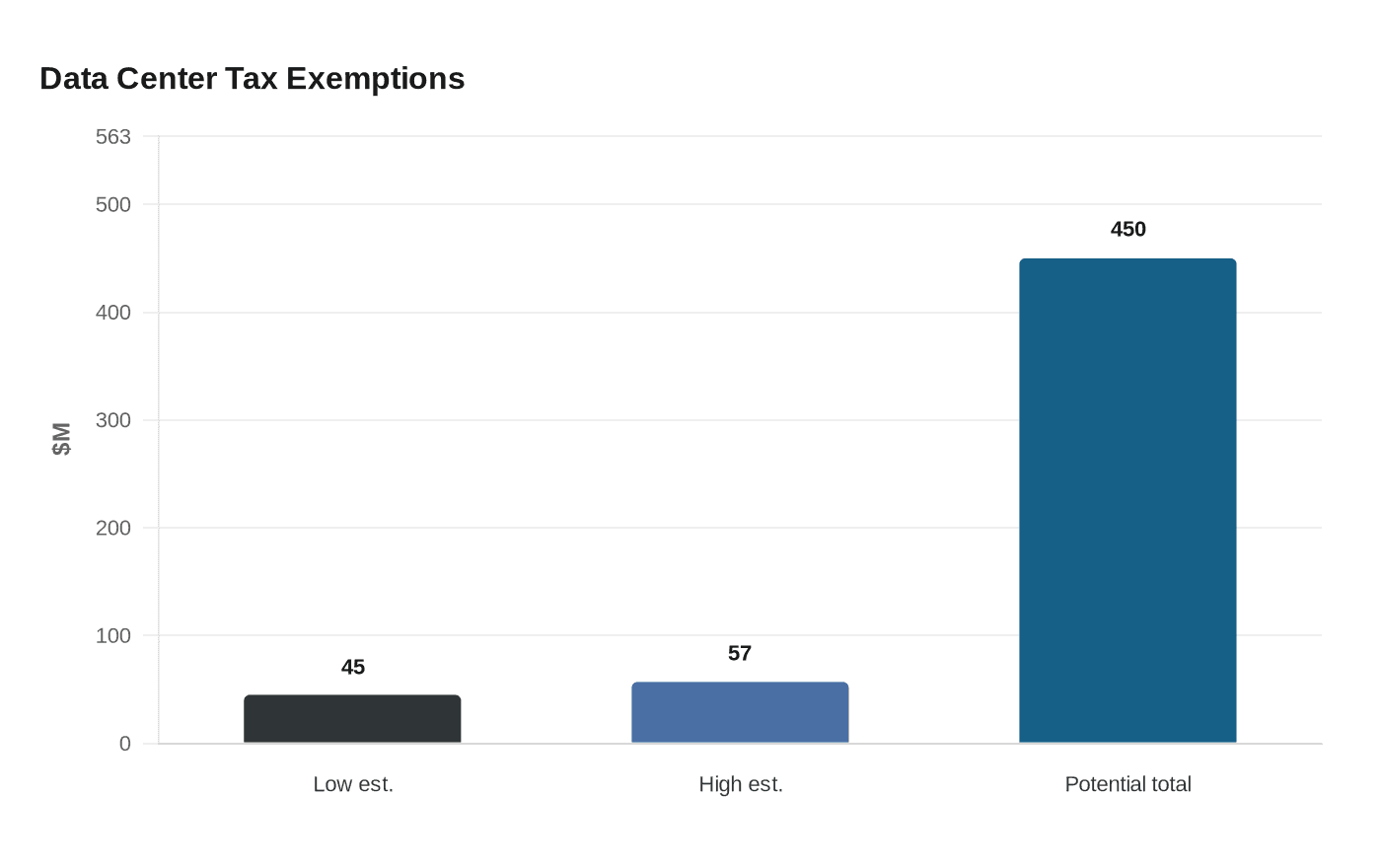
The regional stakes are now being debated in Raleigh as well. House Bill 1063 would require North Carolina data centers to publicly disclose electricity consumption, peak demand, water consumption, cooling systems and emissions-free generation, with special standards for facilities using more than 1 billion liters of water a year or more than 40 megawatts at peak demand. The North Carolina Department of Commerce has estimated the state’s data center tax exemptions at between $45 million and $57 million, with the total potentially rising to about $450 million.
Local restrictions or pauses have also surfaced in Clay County, Macon County and Cherokee County as the spread of data center proposals forces towns and counties to weigh utility strain against promised investment. In Weaverville, leaders chose to act before the first mine ever arrived, turning scarce water and power into the central reason to keep the industry out.
This article was produced by Prism’s automated news system from verified source data, official records, and press releases, then run through automated quality and moderation checks before publishing. The system is built and supervised by the people who set the standards it runs under. Read our full AI policy.
Did this article answer your question?