Weaverville declines footbridge ownership, paving way for demolition
Weaverville’s vote closed the door on a local rescue for the 1909 Merrimon Avenue footbridge, leaving demolition as the most likely next step.
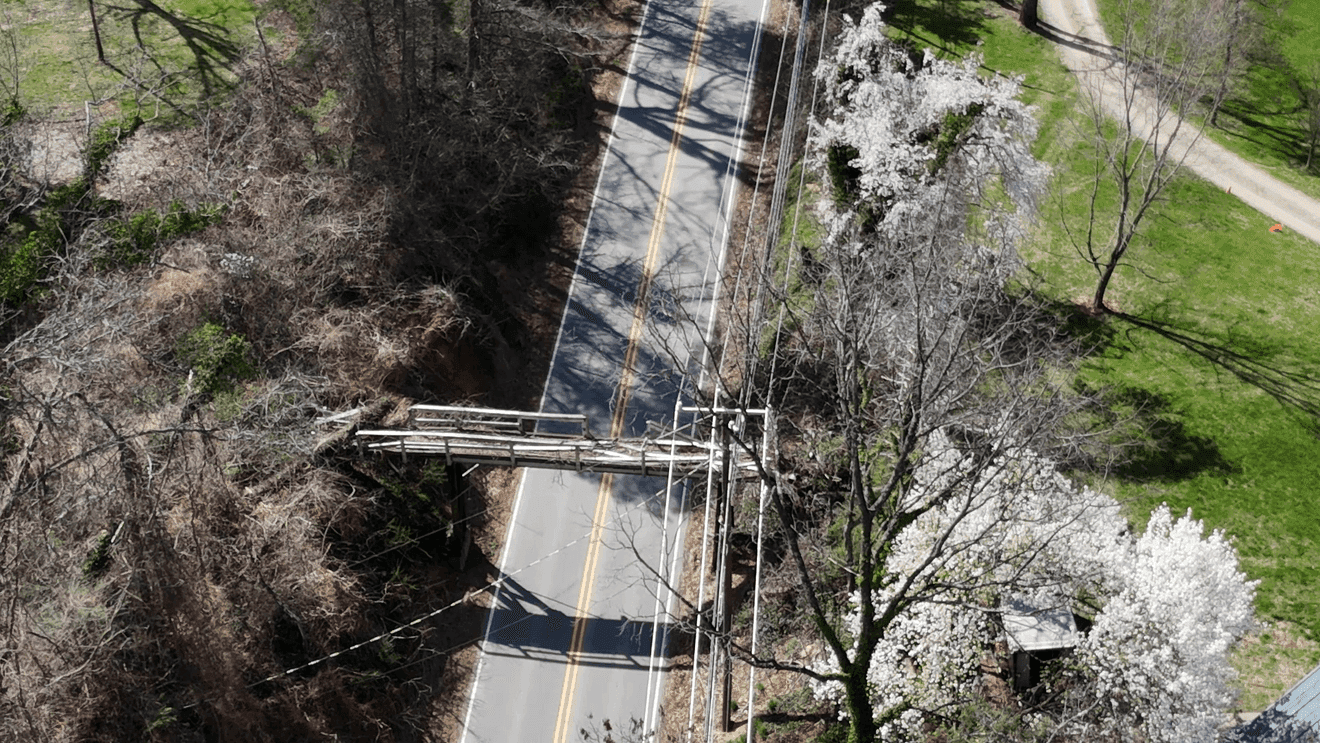
Weaverville leaders have stepped away from the 1909 pedestrian footbridge over Merrimon Avenue, clearing the way for the North Carolina Department of Transportation to move forward with demolition plans for a span many residents saw as a rare link to Asheville’s streetcar past.
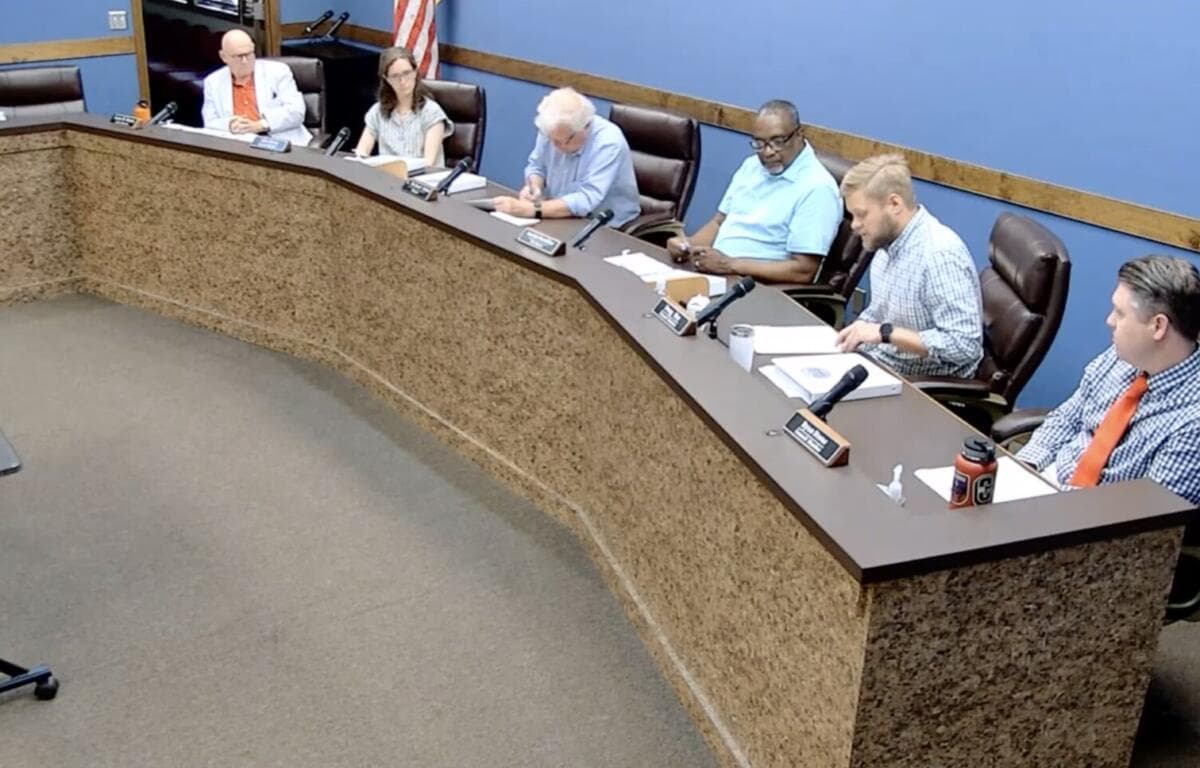
The Weaverville Town Council voted Monday, April 27, not to take ownership of the bridge, a decision that spared the town from assuming the long-term liability and maintenance burden that would come with keeping the structure. Community members had urged the council to save the bridge, but the vote left no local owner in place to take over responsibility for the span, which had already been targeted for removal by NCDOT.
For preservation advocates, the loss would go well beyond a piece of steel and concrete. WLOS reported that the bridge was built in 1909 and was originally intended to give two property owners safe passage over trolley tracks that once connected Asheville and Weaverville. That history ties the footbridge to Asheville’s electric streetcar network, which the Asheville Museum of History says opened on Feb. 1, 1889, was the first of its kind in North Carolina and only the second in the South. The museum says the streetcars ran until 1934, and that around 1907 Asheville recorded more than three million streetcar riders a year.
The bridge has also been described as a rare surviving remnant of that era, which is why its removal would erase one of the few visible physical links to the old transit corridor between Buncombe County’s two towns. Once the structure comes down, Weaverville will lose a landmark that connected local property history, early mass transit and the area’s growth into one of the county’s busiest travel corridors.
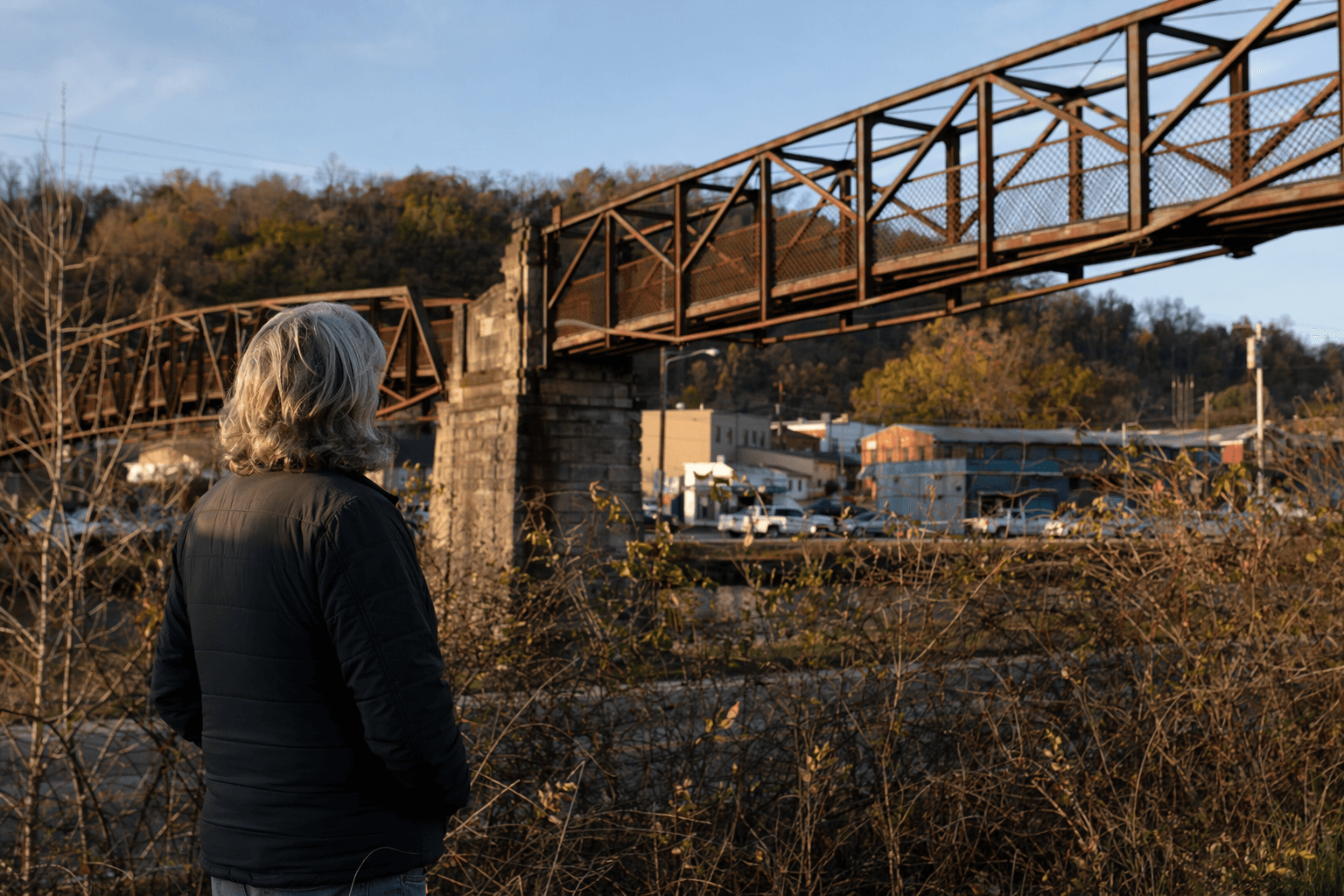
A demolition had already been scheduled for Tuesday, March 10, before community pushback paused the plan. Monday’s vote now removes one of the last remaining local preservation paths. NCDOT does have a Bridge Relocation and Reuse Program for historic truss bridges scheduled for replacement, with options that can include donation, disassembly and relocation, storage or preservation in place, but the state program is geared to truss bridges and does not guarantee a rescue for every structure.
The decision comes as NCDOT continues broader Merrimon Avenue work, including proposed changes at Edgewood Road and W.T. Weaver Boulevard and planning that describes Merrimon Avenue as a congested arterial being considered for a three-lane conversion with bicycle accommodations. For Weaverville, that means the bridge’s fate is now tied to a larger transportation push that favors traffic management over keeping the span in place.
This article was produced by Prism’s automated news system from verified source data, official records, and press releases, then run through automated quality and moderation checks before publishing. The system is built and supervised by the people who set the standards it runs under. Read our full AI policy.
Did this article answer your question?