Bolivar County website maps meetings, planning rules and public offices
Bolivar County’s website points residents to the right office first, from meeting nights and land-use rules to clerk services, court business and voting records.
A county site built as a road map
Bolivar County’s official website does more than list departments. It shows residents where county government meets, which office handles which task, and how to avoid the dead end of being sent from one counter to another. In a county named for Simón Bolívar and split between Cleveland and Rosedale, that matters in daily life as much as it does in politics.
The site’s value is practical. It helps people track decisions, find the right public office, and understand which part of county government handles planning, property records, elections, and court business. For households, businesses, and property owners, that means less guesswork and a clearer path to accountability.
Where the Board of Supervisors meets
The Board of Supervisors is the center of county decision-making, and Bolivar County posts a straightforward schedule. Regular meetings are held on the first and third Mondays of each month at 9:00 a.m., with even-month meetings in Rosedale and odd-month meetings in Cleveland.
That split-location system is not a minor detail. Bolivar County has two county seats, Cleveland and Rosedale, and the alternating meeting sites reflect a county that stretches across the Mississippi Delta. If you want to speak during public business, follow a budget issue, or simply see how a decision is made, the calendar tells you exactly when and where to go.
For residents trying to keep up with county government, this is the most direct public doorway. The meeting pattern gives the public a regular chance to show up in person, watch supervisors at work, and understand how county business moves between the two seats.
Planning rules and land-use decisions
Land-use questions have their own lane, and the county’s Planning Commission page makes that clear. The commission meets on the third Thursday of each month at 5:30 p.m. at the Bolivar County Courthouse Annex Building.
That meeting site is especially useful for anyone dealing with subdivision questions, development plans, or broader land-use concerns. The county’s planning materials connect those issues to a larger framework of planning documents and maps, so residents can see that land-use decisions are not made casually or in isolation.
The history matters too. Bolivar County’s Board of Supervisors adopted the county’s Subdivision Regulations in March 2001, and the Land Use Development Code was adopted on July 21, 2008. Those dates show that the county’s planning rules are built on formal action, not just informal practice.
If you are buying property, dividing land, or trying to understand what can be built where, the planning page is the place to start. It is the county’s main guide to the rules that shape growth, and it helps residents get to the right meeting before a project gets bogged down.
Which clerk handles which record
Bolivar County’s clerk offices are divided in a way that can save residents real time. The Chancery Clerk is described as the clerk to the Board of Supervisors, which means the office keeps board minutes and helps prepare the county budget. It also processes homestead applications and handles a wide range of civil court records, including deeds, probate, guardianships, and adoptions.
That makes the Chancery Clerk the place to go for property, family, and probate matters. If you need a deed recorded, are dealing with an estate, or need a civil record tied to guardianship or adoption, this is the office that keeps those files moving.
The Circuit Clerk handles a different set of everyday needs. That office issues marriage licenses, keeps marriage records, and registers citizens to vote. For many households, that means one office is for family and civic paperwork, while the other is for property and civil records.
A simple way to think about it is this:
- Chancery Clerk: board minutes, county budget work, homestead applications, deeds, probate, guardianships, adoptions.
- Circuit Clerk: marriage licenses, marriage records, voter registration.
Knowing that split can prevent a wasted trip, especially for residents who are trying to resolve a filing or obtain a record quickly.
When county court is the right stop
County court is another place where the website gives residents a clearer map. Bolivar County notes that county courts have concurrent jurisdiction with justice courts in civil and criminal matters. The county court can issue search warrants, set bond, and preside over preliminary hearings.
The county’s court materials add another important detail: county courts may handle non-capital felony cases transferred from circuit court. That makes county court relevant not only for routine matters, but also for more serious cases that move through the system in a specific way.
Bolivar County also places its court system in a wider Mississippi context. The state has 20 county courts and 29 county court judges, and county court judges serve four-year terms. For residents, those numbers help show that county court is a formal part of the state judicial structure, not an informal local function.
If your business involves a warrant, bond, a preliminary hearing, or a transferred criminal matter, county court is the place to understand first. The site helps residents see how that court fits alongside circuit and justice court functions instead of treating all legal business as if it belongs to one office.
Other offices that matter when you need the right door
Bolivar County’s elected-officials page and e-911 page complete the public-service picture. They list the sheriff, constables, judges, and emergency-addressing functions, giving residents another route to the people and systems that keep local government working.
That kind of structure matters in a county of 30,985 people, according to the U.S. Census Bureau’s 2020 count. In a place with two county seats and multiple courthouse-related offices, residents often need to know not just what county government does, but which office does it first.
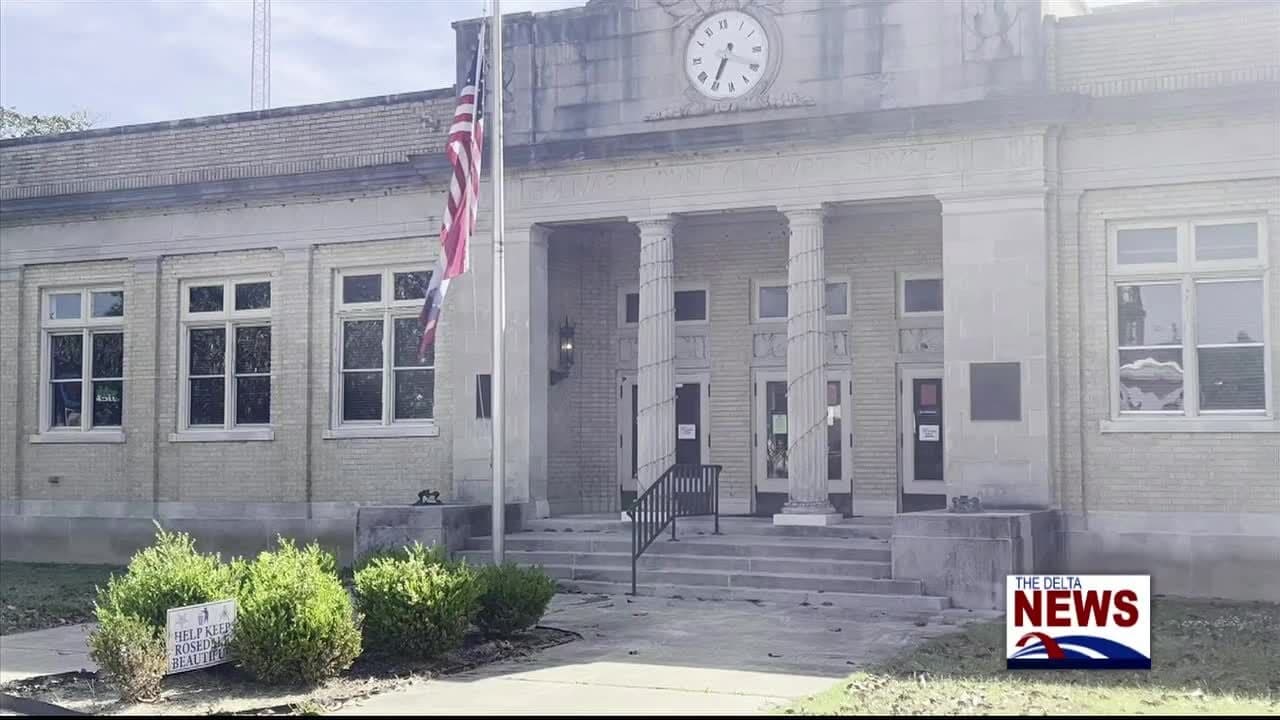
The Cleveland courthouse also serves as a county-services hub in the county’s own materials, reinforcing the idea that local government here is spread across more than one center. For residents, the website turns that geography into something usable: a guide to meetings, rules, records, courts, and the offices that keep Bolivar County accountable.
This article was produced by Prism’s automated news system from verified source data, official records, and press releases, then run through automated quality and moderation checks before publishing. The system is built and supervised by the people who set the standards it runs under. Read our full AI policy.
Know something we missed? Have a correction or additional information?
Submit a Tip