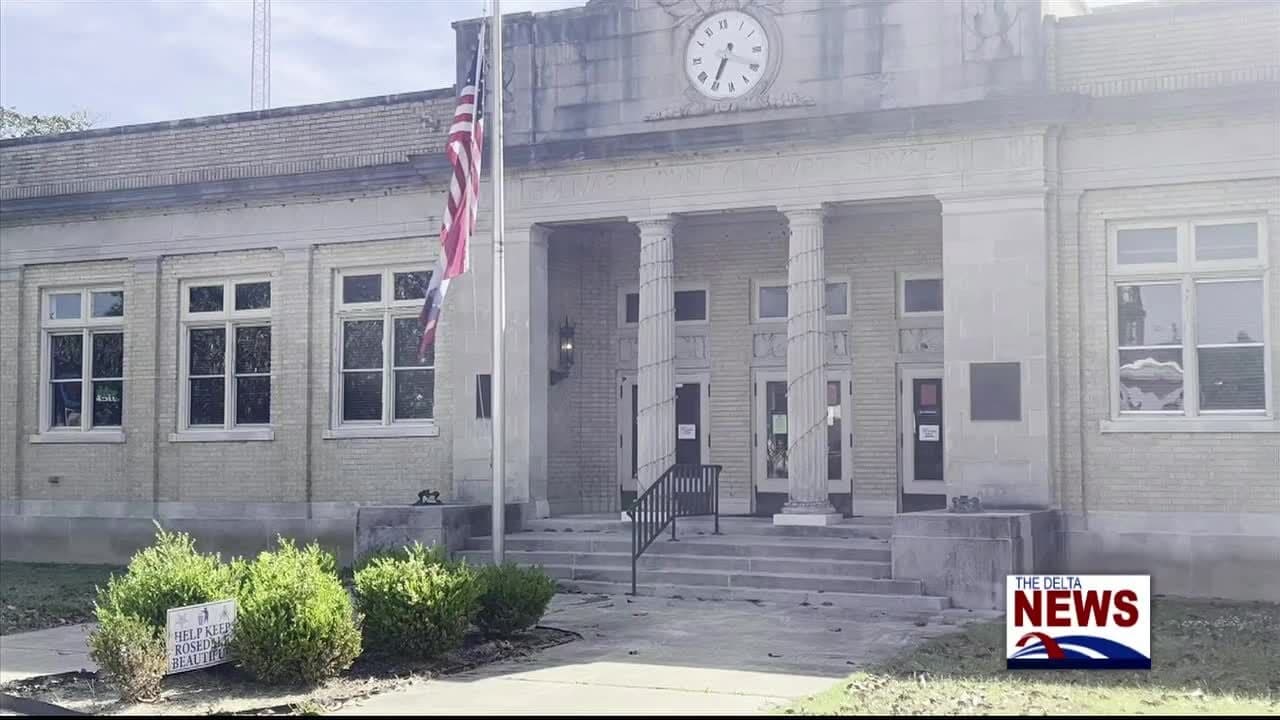
Mississippi levee board election deadlines pass for June 2 vote
The levee board race will shape flood protection and land decisions across the Delta, and the voter-registration and absentee deadlines for the June 2 ballot have already closed.
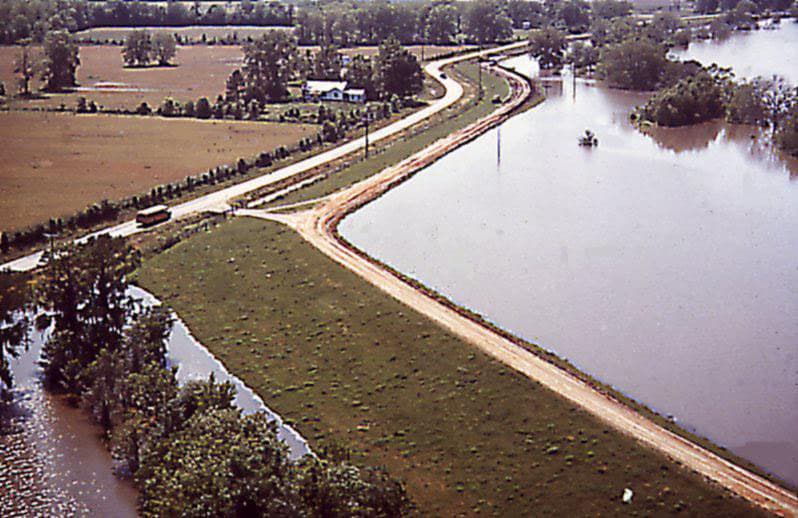
The Mississippi Levee Board race will help decide who oversees flood protection, levee maintenance and other land decisions that matter from Cleveland to the rest of Bolivar County. The voter-registration deadline for the June 2 general election passed May 4, and in-person absentee voting closed at noon Saturday, May 30.
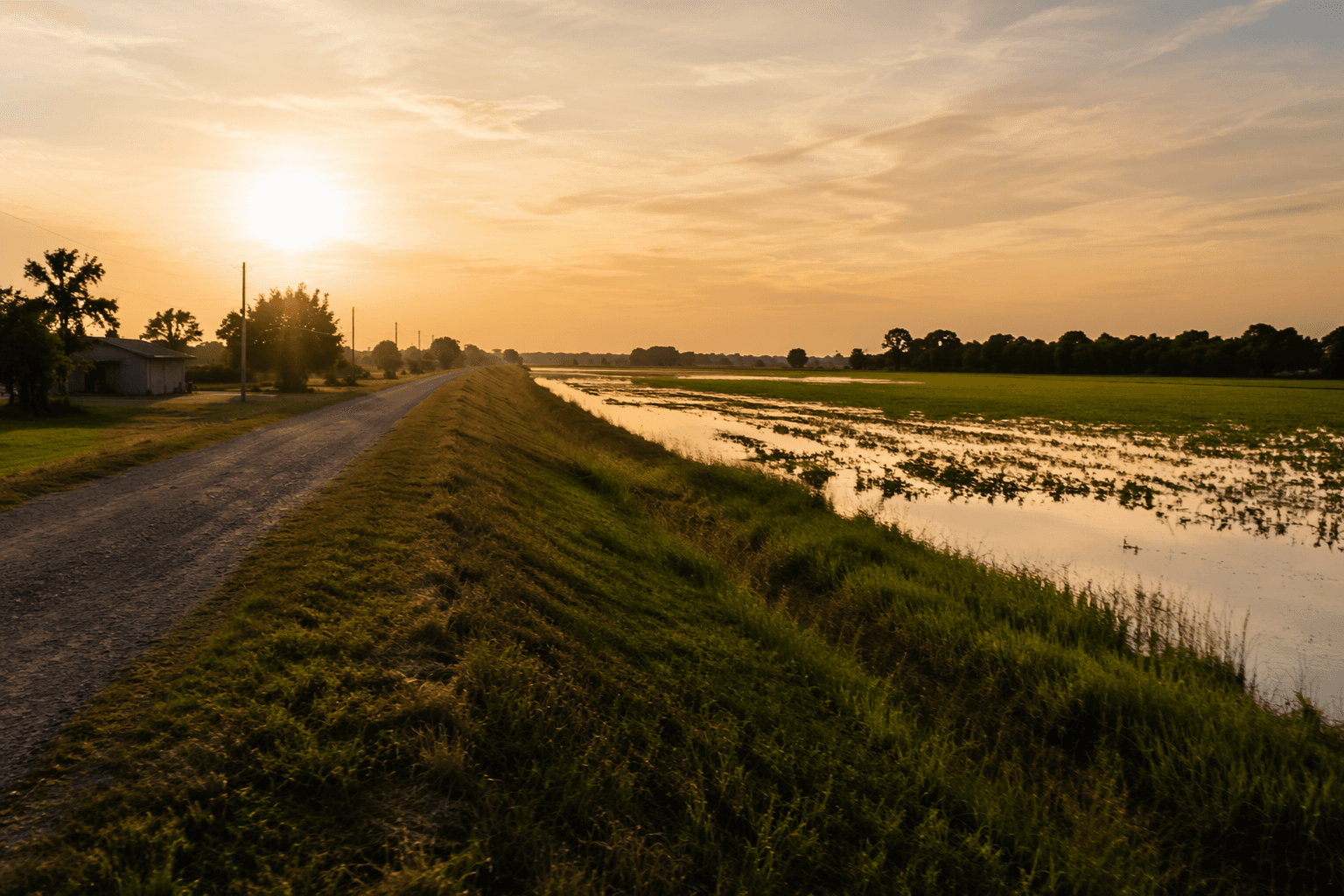
The Mississippi Levee Commissioners are a seven-member board elected from their respective counties. Their district includes Bolivar, Washington, Issaquena and Sharkey counties, along with part of Humphreys and Warren counties. That makes the board unusually local for a race many voters might overlook: its work reaches the Mississippi River levees and the Yazoo backwater area, where drainage and flood control decisions can affect homes, farmland and the roads people use every day.
Mississippi’s election calendar set the candidate qualifying deadline for the levee commission at 5 p.m. May 4. Mail absentee ballots had to be postmarked on or before June 2, and absentee voting in Mississippi is limited to voters with an approved excuse. Voters who already cast an absentee ballot cannot vote again in person on Election Day unless they vote by affidavit ballot.
The 2026 cycle has three seats on the line, one each in Bolivar, Issaquena and Washington counties, according to local reporting. In Bolivar County, Katherine Crump was elected after Frank Brown died in March, ran unopposed and was sworn in May 11. Her rise underscored how quickly the board can change and how directly its membership is tied to county-level decisions.
For Cleveland residents, the stakes are practical rather than ceremonial. The levee board’s choices help shape how well the county is protected when river water rises and how quickly land can drain after heavy rain. In a region where water management can ripple into property damage, road conditions and the stability of farmland, the June 2 vote carries more weight than its low profile suggests.
This article was produced by Prism’s automated news system from verified source data, official records, and press releases, then run through automated quality and moderation checks before publishing. The system is built and supervised by the people who set the standards it runs under. Read our full AI policy.
Know something we missed? Have a correction or additional information?
Submit a Tip