Cleveland city homepage highlights tree-trimming rules, alerts and request tracker
Loose limbs can become a missed pickup or a code problem fast, and Cleveland’s homepage puts disposal rules, alerts and request tracking in one place.
A practical first stop before cleanup starts
A storm-damaged yard or a routine pruning job can turn into an expensive headache if debris is left out the wrong way. Cleveland’s homepage now points residents to the key tools that matter most after trimming or cleanup: the tree-trimming rules, the Alert Center, and the Citizen Request Tracker. That matters in a city where curbside mistakes can trigger missed pickup, blocked streets, or debris that no collection crew is allowed to take.
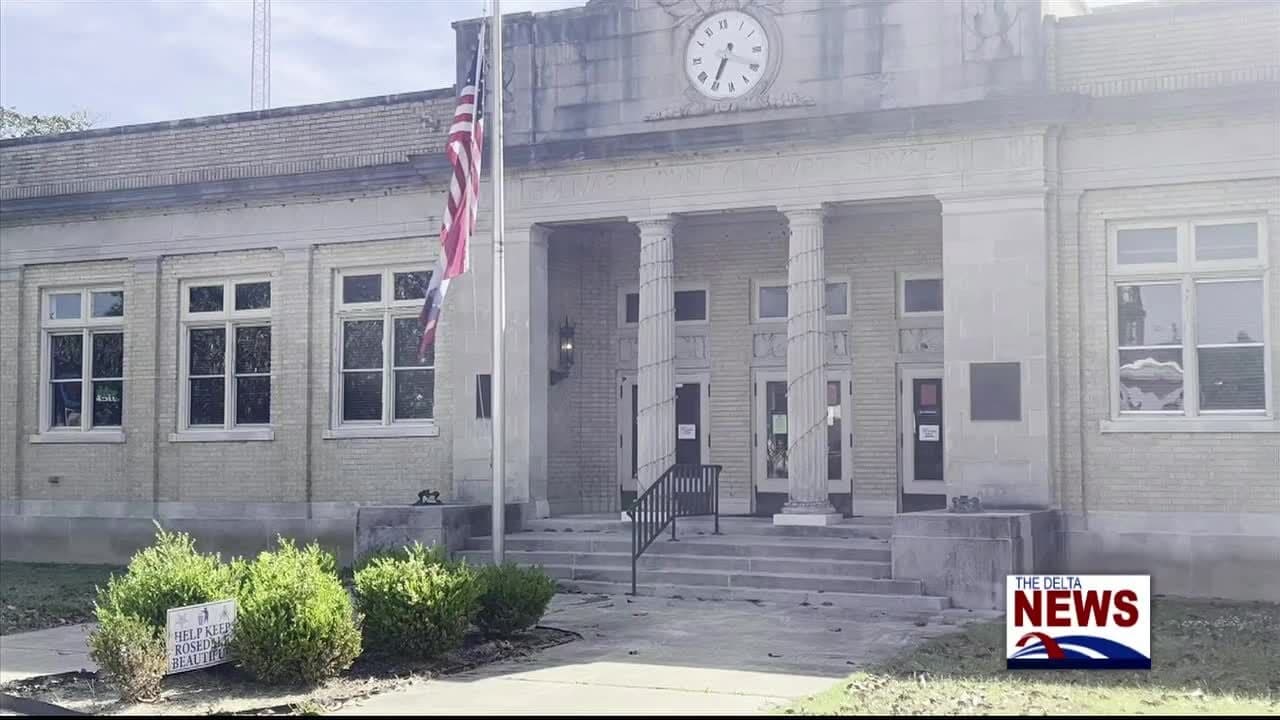
The homepage also works as a quick municipal reference point for people who need to know what the city handles and what private contractors handle instead. Cleveland, Mississippi, in Bolivar County, has a relatively small population base, with the U.S. Census Bureau estimating 10,138 residents on July 1, 2025, compared with 11,199 in the 2020 census. In a place that size, a clear online notice can prevent a lot of unnecessary calls, confusion, and unsafe handling of yard waste.
Know the tree-trimming rules before you set anything at the curb
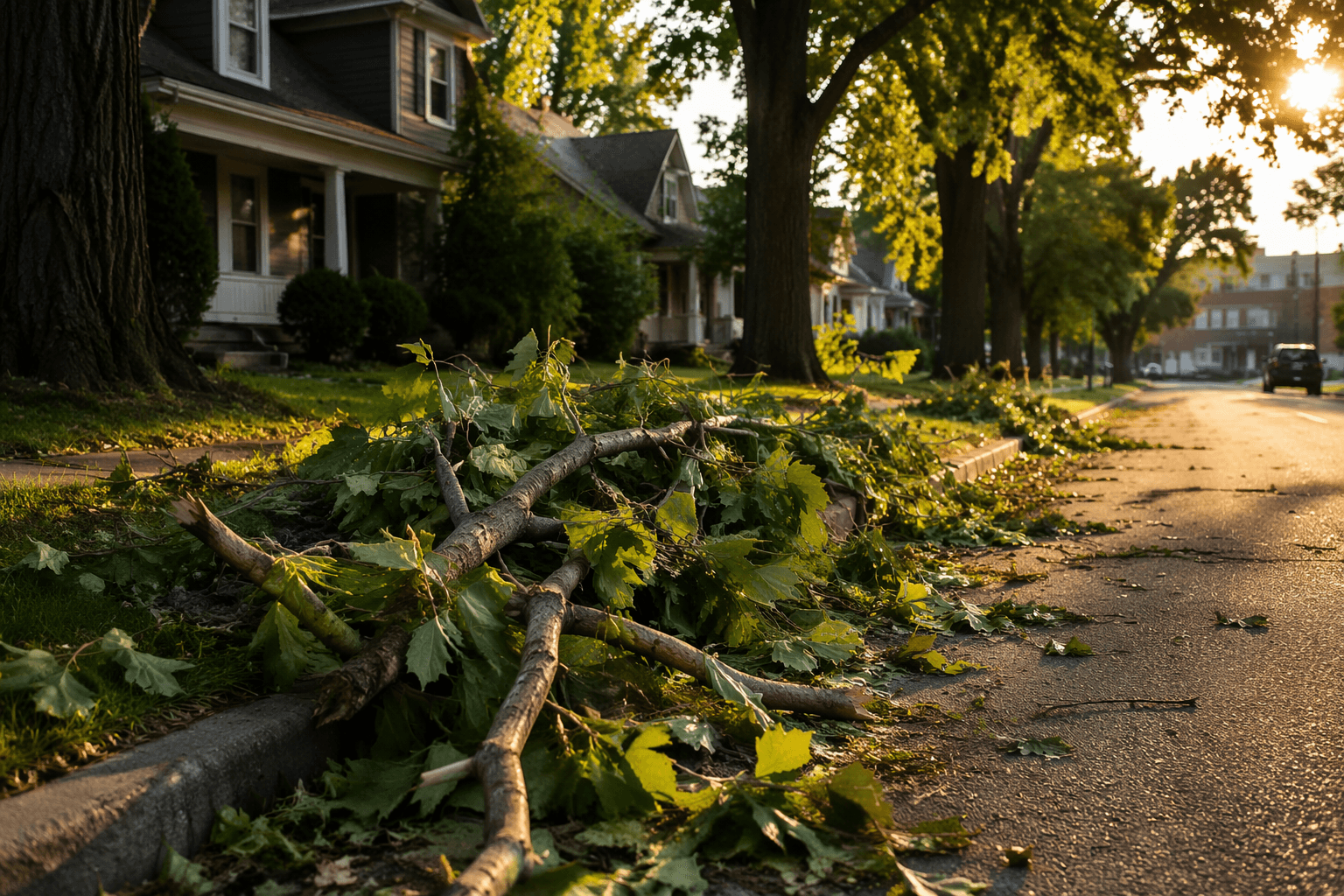
The city’s tree-trimming guidance is meant to stop residents from piling out debris that looks ready for pickup but does not meet the rules. Cleveland says trimmings must be cut into lengths of no more than five feet, placed at the curb but not on the paved portion, and limited to pieces weighing less than 50 pounds and measuring no more than 10 inches in diameter. Tree trimmings and other yard debris are capped at 5 cubic yards per week.
That limit matters because the city ties yard debris handling directly to its residential garbage system. Residential garbage pickup is contracted through Arrow Disposal Service, Inc. (ADSI), and households get pickup twice per week on either Monday and Thursday or Tuesday and Friday routes. If you put out more than the rules allow, or put it out in the wrong form, you risk leaving debris behind for another day.
The city also draws a firm line around contractor-generated work. Any accumulation of trimmings created by tree surgeons, contractors, or others hired for the job must be handled by those service contractors. In other words, if you bring in a paid crew, the cleanup responsibility stays with them, not with the city’s regular pickup system.
What to do before you haul debris to the curb
1. Cut branches to five feet or shorter.
2. Keep them off the paved portion of the street.
3. Make sure each piece stays under 50 pounds and under 10 inches in diameter.
4. Keep the total amount at 5 cubic yards per week or less.
5. If a hired tree service did the work, make sure that contractor handles the debris.
That sequence is the simplest way to avoid a pickup problem. It also reduces the chance that heavy or oversized limbs sit out long enough to become a traffic hazard or a complaint from neighbors.
How the city’s alerts help before cleanup creates bigger problems
Cleveland’s Alert Center is the second tool residents should check before they start hauling out debris or making plans around a disrupted street. The city says the alert system can include road closures, parking alerts, boil water advisories, and other emergencies when they are active. It also lets users subscribe by category, including RSS and Notify Me options, so people can follow only the kinds of notices they care about most.
That is especially useful after storms, when a road closure or utility issue can change the best route for debris pickup, commuting, or school drop-off. Parking alerts can affect where a truck or trailer can safely sit, and boil water advisories are the kind of notice people need fast, before they start washing dishes, cooking, or filling containers. The alert center is built to reduce guesswork when conditions are changing by the hour.
Request tracking gives residents a paper trail without the phone tag
The Citizen Request Tracker is the homepage tool that makes follow-up easier. Residents can submit a concern, comment, or compliment and then check the progress of that request online. That creates one place to start when something on the city side needs attention, whether it is a neighborhood issue, a service question, or a follow-up on a public concern.
For residents, the value is simple: you do not have to keep calling to ask whether someone saw your message. The tracker gives Cleveland a basic accountability tool and gives residents a way to watch a request move through the system. In a small city, that can be the difference between a problem being remembered and a problem being resolved.
Where public works fits into the picture
The rules on the homepage line up with the workload handled by the Cleveland Public Works Department. The department says it is responsible for streets, right-of-ways, drainage, cemeteries, and a maintenance shop. It also lists four stormwater pumping stations, 70 miles of storm sewers, 125 miles of streets, and 2,000 catch basins.
Those numbers help explain why debris placement matters so much. Leaves, limbs, and storm runoff all land in the same public system that must keep water moving and streets clear. When residents follow the trimming rules and check alerts before cleanup, they make it easier for public works crews to keep drainage flowing and roads passable.
Cart and pickup details residents still need to know
The city’s waste instructions also include the practical details that can get overlooked during a cleanup weekend. Residents who need a cart are directed to City Hall at 662-846-1471, while anyone wanting an additional cart is directed to ADSI at 1-866-440-3983. Cleveland also says residents can place their ADSI cart on the curb the night before collection or by 6:00 a.m. on collection day.
Commercial solid waste is handled privately, not by the city, so business owners cannot assume the residential system will cover their needs. That distinction matters in a downtown or commercial corridor, where routine trash, yard work, and contractor debris can overlap if no one checks the rules first.
The city homepage itself shows a last content update of Thursday, January 16, 2020, but the tree-trimming guidance, alert tools, and request tracker remain the clearest starting points for residents who want to avoid a missed pickup or a preventable code issue. In Cleveland, the smartest cleanup is the one that begins with the rules, not after the pile is already at the curb.
This article was produced by Prism’s automated news system from verified source data, official records, and press releases, then run through automated quality and moderation checks before publishing. The system is built and supervised by the people who set the standards it runs under. Read our full AI policy.
Know something we missed? Have a correction or additional information?
Submit a Tip