Cleveland County African American Heritage Trail highlights Black history sites
An 11-stop trail turns Cleveland County's Black institutions into a driving guide, from segregated schools and theaters to churches and businesses still shaping daily life.
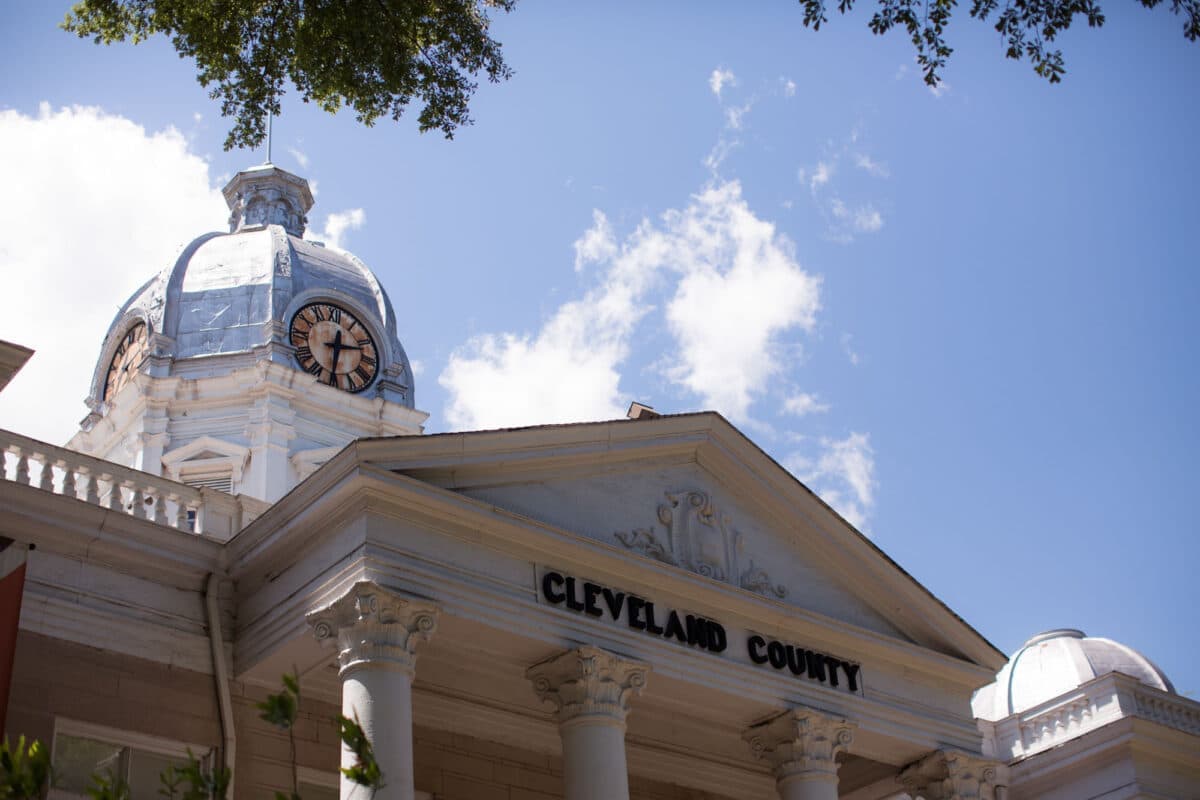
Cleveland County’s African American Heritage Trail makes a strong case that Black history here is not locked in the past. The 11-stop driving tour links schools, churches, a funeral home, a theater and other sites in Shelby and across the county, showing how those institutions shaped education, business, worship and civic life, and how they still anchor local memory today.
Why the trail matters now
The trail works because it is built around places residents can still find, not just names in a textbook. Some sites survive as buildings, some remain as historic footprints, and some are best understood as landmarks of community power in an era when Black families had to build their own institutions because segregation shut them out of most others.
That makes the trail useful far beyond tourism. In a county where schools, churches and Black-owned businesses once carried the weight of daily survival, the route helps explain how civic life was organized, where children learned, where families gathered and where economic opportunity was created under conditions that were deeply unequal.
The trail was shared with permission from Zach Dressel, curator of the Earl Scruggs Center, and it connects naturally to the center’s exhibit program, including Redefining Builders: The African American Communities of Cleveland County. Co-curated by Chavis Gash and Dressel, the exhibit centers on how African Americans built communities filled with churches, civic organizations and businesses, which is the same story the trail tells block by block.
Schools that carried a community
The clearest entry point into that story is Cleveland Training School and Cleveland High School. The site served Shelby’s African American community from 1895 through the mid-1960s, then stayed open for sixth graders until 1977, making it one of the most vivid markers of how education changed during and after integration.
That long run matters because Cleveland County history shows just how unequal schooling was in the years after the Civil War. In the 1870 census, 50 percent of the county’s Black population could not read or write, compared with 30 percent of the white population. In that context, schools like Cleveland Training School were not simply classrooms; they were engines of mobility, dignity and local leadership.
The county’s own history timeline also ties desegregation to a specific family decision. Shelby City Schools began desegregation when Ray Cabaniss sought to transfer his son Rayfield from Cleveland Training School to Shelby High School. That detail gives the trail real human scale: one family’s choice helped reveal the barriers Black students faced and the uneven path toward equal access.
Places where Black life gathered and endured
The Washington Theatre tells another side of the county’s story. It was the only theater in Cleveland County to allow all seating to African Americans during segregation, and it also hosted regional and nationally known musicians and singers. That makes it both a rare example of access and a reminder that Black audiences and performers still found ways to build a cultural life even when most public spaces were closed to them.
The Dockery Funeral Home adds a different kind of institution to the trail, one rooted in mutual aid and business ownership. The Dockery family operated one of the oldest funeral homes in the county and were the first to sell burial insurance to African Americans, a service that met a basic community need while also building Black economic independence. The original structure on Buffalo Street in the Freedmon community of East Shelby still stands, giving the trail one of its most tangible surviving pieces of physical evidence.
Mount Calvary Baptist Church shows how faith communities were also built with extraordinary local effort. The church was organized in March 1926 in the home of Fess and Flora Young, and the new building was completed in February 1928 at a cost of about $4,000. That figure is small by modern standards, but it points to the collective sacrifice required to create a permanent church home in an era when Black congregations often had to raise money themselves, lot by lot and week by week.
Shiloh Baptist Church reaches even farther back. Its congregation began as a Sunday school formed by African Americans just after the Civil War in 1865, and the current structure was built by 1960. The church’s long evolution shows how worship, education and community care often grew from the same roots, especially in rural and small-town Black life.
Other stops, including Enloe Mortuary and Camp School, widen the trail into burial care, rural schooling and the networks that supported families outside Shelby’s central business district. Together, the sites show a county shaped not by one monument, but by an interconnected web of places that met practical needs as well as spiritual ones.
How to follow the trail responsibly
The trail is designed as a self-guided driving route, not a walking tour that invites visitors onto every property. Many of the sites sit on private property, so the safest and most respectful approach is to use the trail as a viewing guide, stay off restricted land and treat the stops as living parts of the county’s landscape rather than open invitations to enter.
That matters because preservation depends on access being matched with care. If these buildings, lots and church sites are ignored, underfunded or forgotten, the county loses more than old structures. It loses evidence of how Black residents created schools before integration, built businesses when credit was scarce, organized churches when public institutions excluded them, and passed those traditions to the next generation.
VisitNC places the Cleveland County African American Heritage Trail within the broader North Carolina Civil Rights Trail story, and it describes the local route as covering 11 churches, schools and other sites. The larger state trail, being developed by the North Carolina African American Heritage Commission, is expected to feature up to 50 markers once complete. That statewide effort gives Cleveland County’s trail added weight: it is part of a larger attempt to preserve the places where civil rights, education and community life were built from the ground up.
For Cleveland County residents, the value is immediate. The trail explains why the Earl Scruggs Center, Shelby’s historic buildings and the county’s churches and former school sites still matter in decisions about preservation, development and public memory. It keeps Black history attached to real places, which is exactly where the county’s civic story lives.
This article was produced by Prism’s automated news system from verified source data, official records, and press releases, then run through automated quality and moderation checks before publishing. The system is built and supervised by the people who set the standards it runs under. Read our full AI policy.
Did this article answer your question?