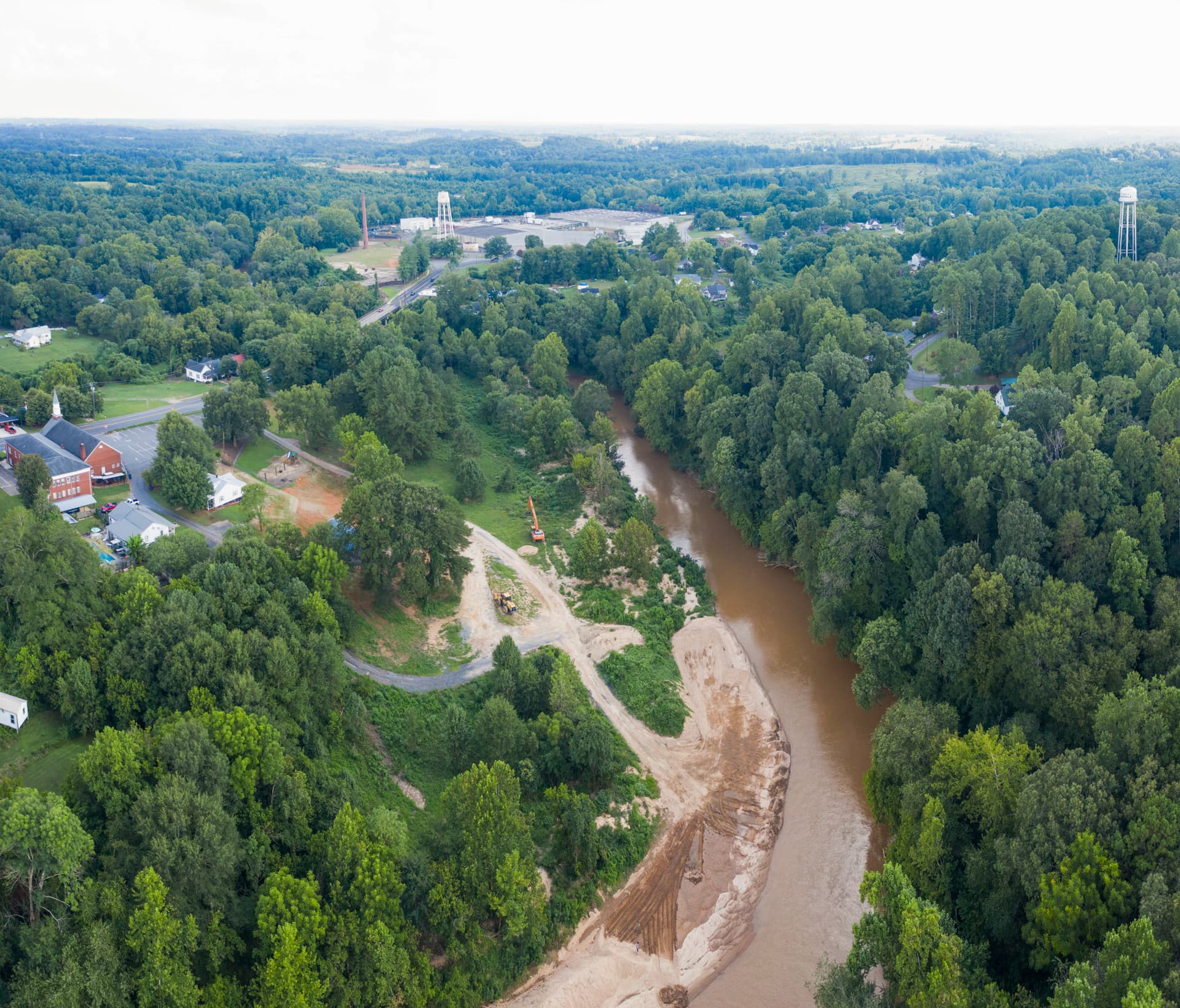
Cleveland County cemeteries hold graves older than the county itself
At least 364 Cleveland County graves predate the county itself, including 33 before 1800. Small family plots, lone graves, and field stones point to the first settlers and their kin networks.
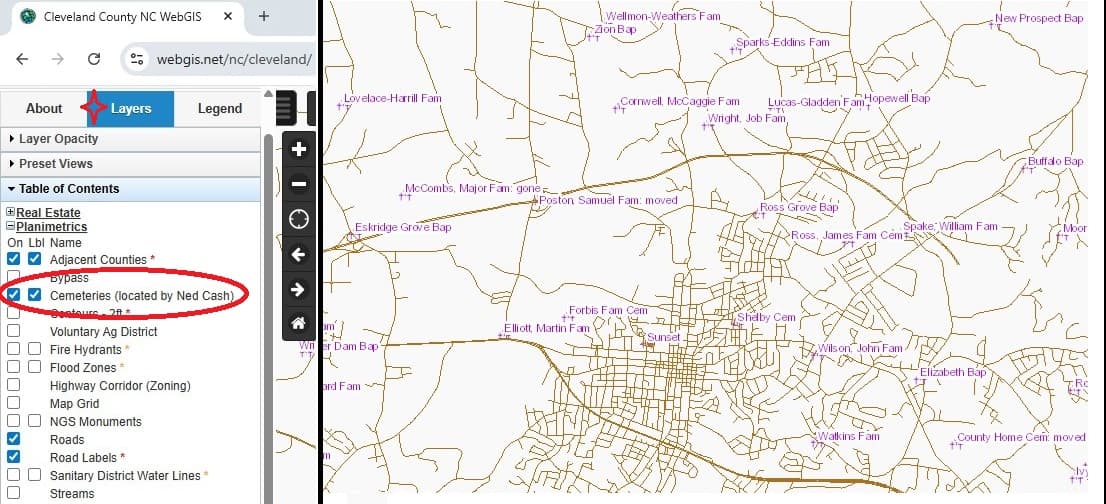
At least 364 graves in Cleveland County predate the county itself, and 33 of them date to before 1800 in the Cleveland County History cemeteries record. Most are tucked into small family plots or stand alone, sometimes marked only by field stones whose locations survive in family Bible records or oral tradition.
What the numbers say about early Cleveland County
The Cleveland County History cemeteries page provides the local record for those older graves.
A grave does not just mark a death. In rural North Carolina, an old burial site often marks a household, a tract of land, a cluster of relatives, or a community that formed before later roads, towns, and boundaries were drawn.
Small plots, lone graves, and what they reveal
Most of these graves are in small family plots or are lone graves. The pattern shows settlement was scattered, local, and family-centered rather than organized around large public cemeteries.
Family plots usually point to kin groups who lived close together, married into neighboring households, and stayed tied to a specific patch of land across generations. Lone graves can be even more striking. They suggest isolated homesteads, a burial place on private property, or a family memory that never developed into a formal cemetery.
For residents tracing surnames in Cleveland County, those burial sites can help show which families were anchored in which parts of the county long before modern maps.
Field stones and family memory
Some of the graves on the Cleveland County History page are marked with nothing more than field stones. In those cases, the location may survive only through a family Bible entry or through family lore passed down across generations. That is a fragile kind of evidence, but it is often the only reason an unmarked burial still has a known place in local history.
A Bible record, an oral account, or a remembered plot location can keep a name attached to a piece of land long after the stone has disappeared. In Cleveland County, burial records preserve family history when no formal marker remained.
The survival of field-stone graves also shows how easily local memory can vanish. A marker can weather away, a fence line can shift, and a field can be cleared, yet the burial still exists in family memory.
How documentation keeps these sites visible
The county’s cemetery record is not only archival. The Cleveland County History page includes a photo captioned “2015, 09-06, visit to Hord cemetery (7),” which shows that these burial sites have been documented on the ground, not just listed in a database. The site visit connects written history to the actual landscape.
Ned Cash also appears in the county history material as someone who located old family plots. The work follows a local historian’s practicality: find the burial ground, identify the family, and preserve the location before it fades from view. In a county where some graves survive only as stones in a field, that documentation preserves the burial ground, the family, and the location.
What these cemeteries tell readers passing them every day
For Cleveland County residents, these old graves offer a way to read the land differently. A roadside plot, a patch of ground behind a family home, or a cemetery known mainly by a surname can reveal the first layers of settlement, the spread of family lines, and the places where communities formed before the county was officially created.
Burial sites help establish where pioneer families lived, how neighborhoods moved, and which surnames remain tied to specific parts of the county.
This article was produced by Prism’s automated news system from verified source data, official records, and press releases, then run through automated quality and moderation checks before publishing. The system is built and supervised by the people who set the standards it runs under. Read our full AI policy.
Did this article answer your question?