Cleveland County writers earned Pulitzer Prize recognition, county history says
Two Cleveland County men reached Pulitzer recognition, and Harvey Hatcher Hughes won the 1924 Drama Prize for Hell-Bent Fer Heaven. Their names tie Polkville and Shelby to national letters.
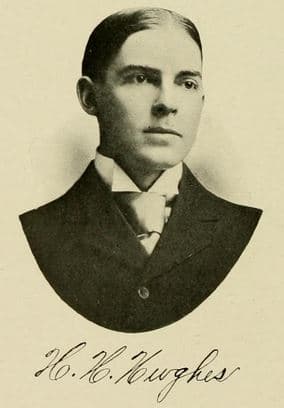
Cleveland County’s literary claim is not vague hometown pride. The county history notes that two men from here were nominated for the Pulitzer Prize, and one of them, Harvey Hatcher Hughes of Polkville, went on to win the 1924 Pulitzer Prize in Drama for Hell-Bent Fer Heaven. That places a rural county in southwestern North Carolina in the same national frame as Broadway, Columbia University, and one of the country’s most respected arts honors.
A county with a literary footprint
Cleveland County History says the county has been home to numerous authors and journalists, but the Pulitzer connection gives that broad claim a sharper edge. Hughes and W. J. Cash are the names that turn local memory into documented recognition, with nominations in 1924 and 1941. For readers in Shelby, Kings Mountain, Boiling Springs, Polkville, and the surrounding foothills, those names show that the county’s influence reached beyond local newspapers, churches, and courtrooms into American drama and public writing.
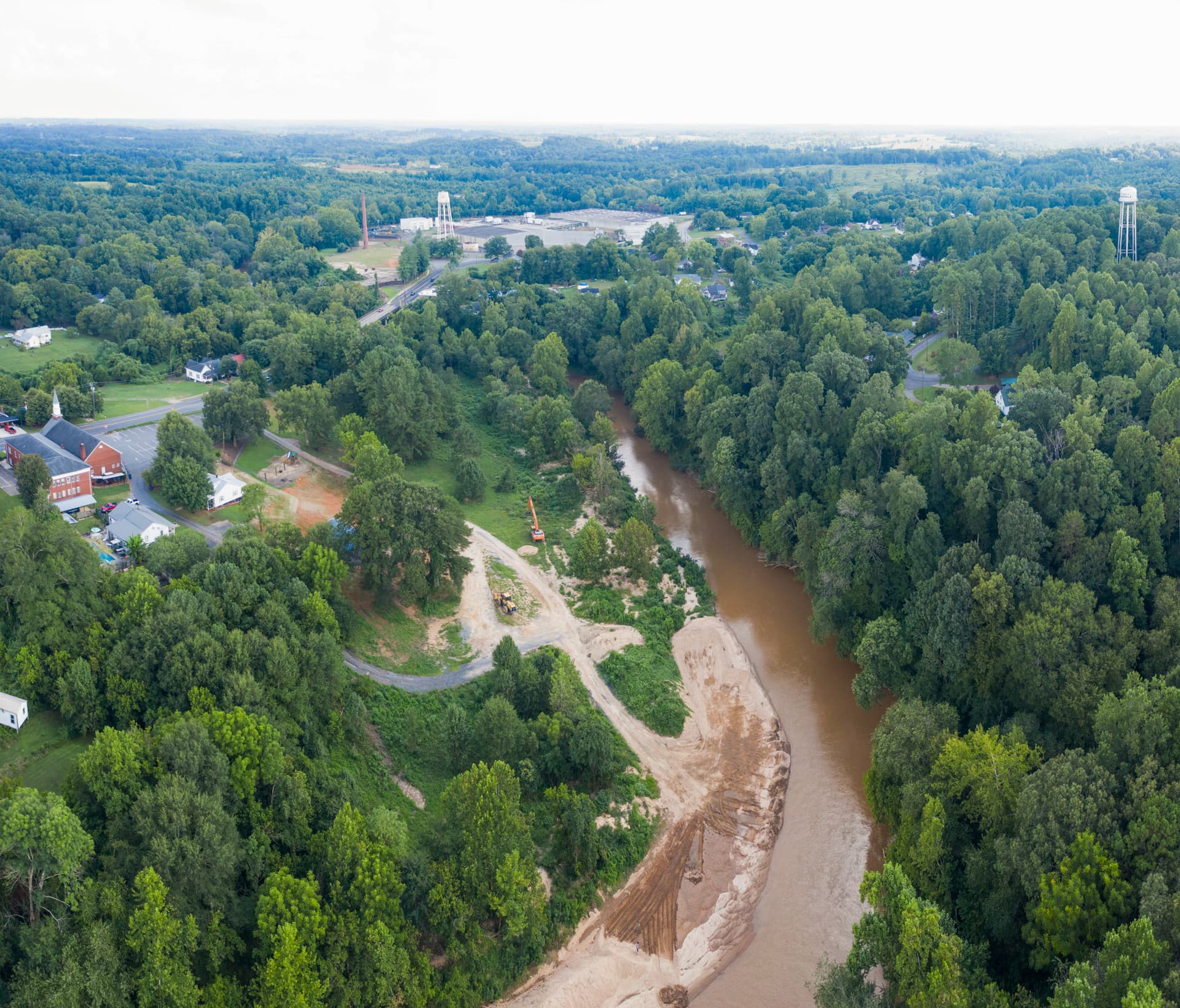
That matters because Cleveland County itself has a clear historical outline. The county was created in 1841 from Lincoln and Rutherford counties, and Shelby became the county seat in 1842. The Advisory Council on Historic Preservation places the county in the foothills of the Blue Ridge Mountains in southwestern North Carolina, and lists its population at 97,056. In other words, this is not a large urban literary center that happens to have produced a few writers. It is a comparatively small county with a documented record of sending serious voices into national conversations.
Harvey Hatcher Hughes, from Polkville to Pulitzer
Harvey Hatcher Hughes was born in Polkville, North Carolina, on February 12, 1881. He died in New York City on October 19, 1945, after becoming an internationally known playwright and teaching on the faculty of Columbia University from 1912 until his death. Those dates matter because they show a career that moved far beyond Cleveland County while still carrying the county’s name at the start.
His signature achievement was Hell-Bent Fer Heaven, the 1923 play that earned him the 1924 Pulitzer Prize in Drama. The Pulitzer Prize’s own record identifies William L. Phelps as chair of the drama jury and Clayton Hamilton as a juror, underscoring that Hughes’ work was judged in a national setting by leading literary figures of the time. For a county history page to note that a man from Polkville won that prize is not a small detail. It is the kind of fact that gives Cleveland County a verifiable place in the history of American theater.
W. J. Cash gives the county a second national name
The other Pulitzer-linked figure is W. J. Cash, also known as Wilbur Joseph Cash. Cleveland County History lists him among the county’s Pulitzer-nominated writers in 1941, and North Carolina’s Department of Natural and Cultural Resources identifies him as an author. He was born on May 2, 1900, and died on July 1, 1941, which gives his life a compressed timeline compared with Hughes, but no less relevance to the county’s literary record.
Cash broadens the story beyond drama. Hughes represents the stage and the university world; Cash represents authorship and the written commentary that can shape how a region is understood. The exact Pulitzer category for Cash is not included in the county history note, but the nomination itself is enough to show that Cleveland County produced more than one writer whose work rose into national consideration in the first half of the 20th century.
Why the county’s setting matters
The place itself helps explain the story. Cleveland County’s foothill geography, its 1841 creation, and Shelby’s role as county seat in 1842 give it the kind of rooted local identity that often produces strong regional voices. That identity did not keep Hughes and Cash local; it sent them outward, into New York stages, university classrooms, and the wider literary world.
The county’s population of 97,056 also gives the achievement some scale. A place of that size does not usually accumulate national arts recognition by accident. When two men from the same county are nominated for the Pulitzer Prize, the pattern is worth noticing because it says something about the local environment that formed them, from schools and churches to newspapers, reading rooms, and family networks that valued language and argument.
What the legacy means for Shelby and today’s writers
This history is useful now because it gives Cleveland County a concrete benchmark for ambition. A student in Shelby Public Schools, a reader at a local library, or a young writer in Polkville does not have to look to faraway cultural capitals for proof that national recognition can start here. Hughes came from Polkville and ended up at Columbia University and on the Pulitzer stage. Cash, born here in 1900, became an author whose work earned Pulitzer consideration in 1941.
That is the practical value of the county history page. It turns literary pride into evidence. Cleveland County can point to named people, specific birthplaces, exact dates, a prize-winning play, and a national award system that recognized work rooted in this county. For a place better known to many outsiders for its foothills and small-town geography, the record shows something sturdier: Cleveland County has already produced writers who mattered far beyond its borders, and that remains part of the county’s identity now.
This article was produced by Prism’s automated news system from verified source data, official records, and press releases, then run through automated quality and moderation checks before publishing. The system is built and supervised by the people who set the standards it runs under. Read our full AI policy.
Did this article answer your question?