Collin County Farm Museum preserves county's agricultural past in McKinney
The Collin County Farm Museum shows how McKinney and the rest of Collin County grew from farmland to suburb, with artifacts, a digital collection and ongoing programs.
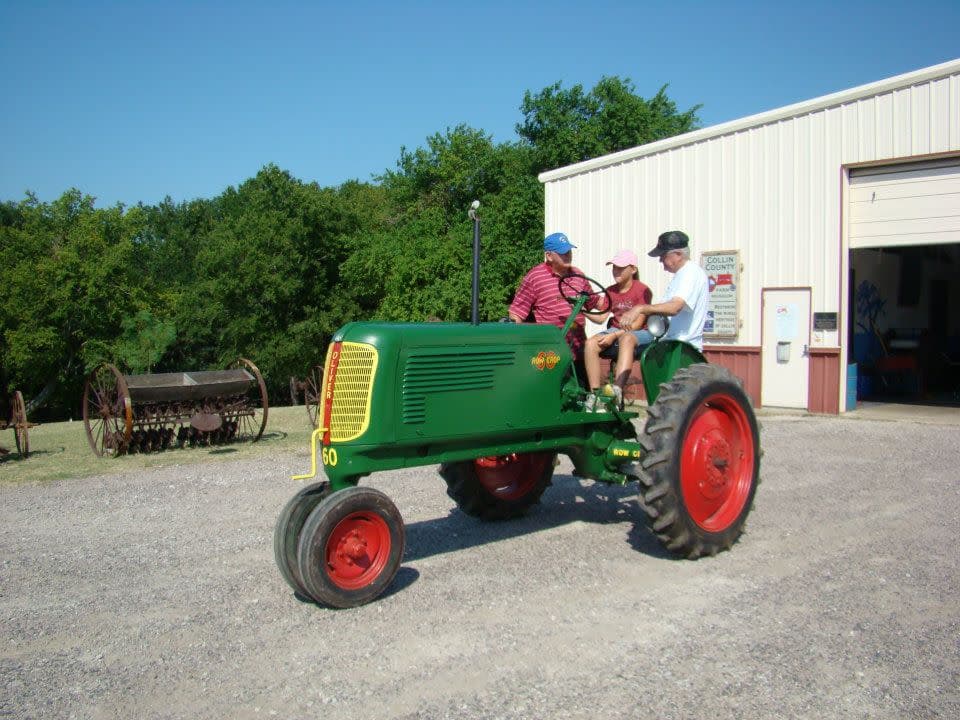
Parents, students, newcomers and longtime residents all get something useful from the Collin County Farm Museum inside Myers Park & Event Center. It is one of the clearest places in the county to see how a working agricultural landscape gave way to the McKinney, Allen, Frisco and Plano most people know now. The museum is more than a display room: its planning page, digital collection, support page and calendar show an active public-history program that still serves the county today.
Why this museum makes Collin County’s past tangible
The value of the museum is in the everyday objects it preserves. Farm museums turn tools, household items and work traditions into things you can actually understand again, which matters in a county where suburban growth has changed how people experience land, labor and community. In Collin County, that helps connect today’s neighborhoods to the earlier farm economy that shaped the region before subdivisions and toll roads took over much of the landscape.
The county treats those holdings as serious stewardship, not casual decoration. A county collections-management note says Collin County Farm Museum procedures are governed by Texas Local Government Code Chapters 262 and 263 unless state or federal law overrides them. That legal framework matters because it shows the museum’s artifacts are documented, managed and protected as county property, not simply placed on shelves for show.
Myers Park gives the museum its setting
The museum sits within a county complex with its own layered history. Myers Park began in 1969 as the Collin County Youth Park, on land that included acreage donated by John and Winnie Myers. The park later expanded with additional acreage bought using 1999 county bond funds, giving the site a deeper county footprint than many visitors may realize.
An approved Myers Park & Event Center policies document places the park on 158 acres northwest of McKinney. That same document lists major facilities that make the site useful for both events and family outings: a Show Barn with an indoor arena and practice arena, a 186-stall Horse Barn, The Landing, a 6,000-square-foot reception facility and a gazebo. The broader park map also names Myers Woods, Restroom Pavilion, Potager Garden, Pole Barn, Shade Garden, Back 40, Polo Field, the Farm Museum, Show Barn, Stall Barn, vendor parking and Crape Myrtle Garden. Those names make the park feel like a working county campus, not a single-purpose attraction.
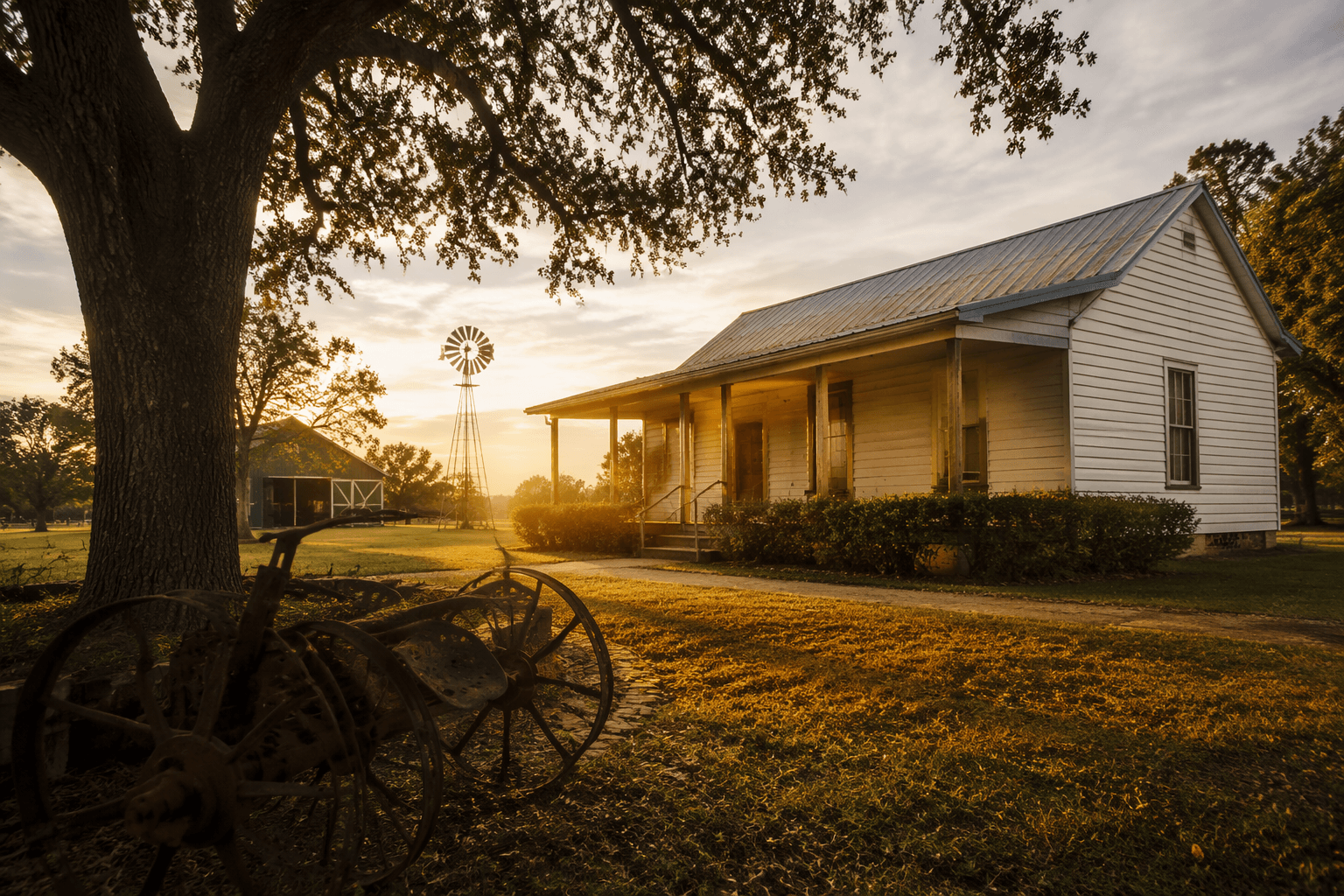
That setting helps explain why the museum works so well as a local history stop. Families can move from open park space to the museum itself, while school groups and newcomers can see how the county has layered education, recreation and preservation into one property near McKinney.
What you can still see there
The museum’s draw is not abstract history, it is the material evidence of farm life. A Facebook post notes that a 1925 Model T Roadster/Pickup was transported to the museum with help from restoration volunteers and Myers Park staff. Another post says tools were donated to help volunteers with restoration efforts. Those details show a museum that is actively rebuilding the county’s farm story through objects people once used, repaired and relied on.
The museum’s Instagram presence identifies Dr. Jennifer Rogers as its leader and says the museum is dedicated to volunteers. That lines up with the restoration work visible in the collection and helps explain why the site feels alive rather than frozen. Visitors are not just looking at old equipment; they are seeing how volunteers and staff keep the county’s agricultural memory in working order.
For a family visit, that matters because it makes the county’s transformation concrete. A child can connect a hand tool, a restored vehicle or a barn setting to the kind of labor that once filled the open land where homes and retail centers now stand. A longtime resident may recognize the scale of the change more personally, especially in a county that has grown so fast around McKinney and beyond.
How the museum reaches beyond the building
The museum is not only physical. Its official digital collection page extends access online, which is useful for teachers, researchers and anyone planning a visit before driving over. The existence of a formal calendar page also shows recurring programming, not a one-time exhibit, and that gives the museum a steady role in county life.
Visit McKinney’s blog, “Learning Never Stops at the Collin County Farm Museum,” treats the site as a learning destination, and Visit Plano also lists the museum as an attraction. Together, those listings show that the museum’s appeal reaches beyond McKinney and into the broader county travel pattern. It is part of a day out, a school outing or a simple stop between errands, which is exactly the kind of practical use a local museum needs to stay relevant.
How to plan the visit
The museum’s own planning page and support page make it easy to treat the visit as more than a drive-by. Before you go, the calendar can help you see whether a program, volunteer activity or special public event is on deck. The support page shows that donations and volunteer help remain part of how the museum operates, which is consistent with the hands-on restoration work already visible in the collection.
- Check the museum calendar for public programming.
- Use the digital collection to preview the kinds of artifacts on view.
- Walk the broader Myers Park grounds so the museum is seen in context with The Landing, the Show Barn, the Polo Field and the other named areas.
- Leave time for the support page if you want to contribute supplies, donations or volunteer help.
A simple visit plan can look like this:
For anyone deciding whether it is worth a stop, the answer is yes. The Collin County Farm Museum offers something rare in a fast-growing suburban county: a direct line to the tools, land use and daily work that built the place before the subdivisions arrived.
This article was produced by Prism’s automated news system from verified source data, official records, and press releases, then run through automated quality and moderation checks before publishing. The system is built and supervised by the people who set the standards it runs under. Read our full AI policy.
Did this article answer your question?