Collin County Historical Commission preserves local history through public programs
The commission turns Collin County history into speakers, oral histories, markers and awards that residents, teachers and newcomers can actually use.
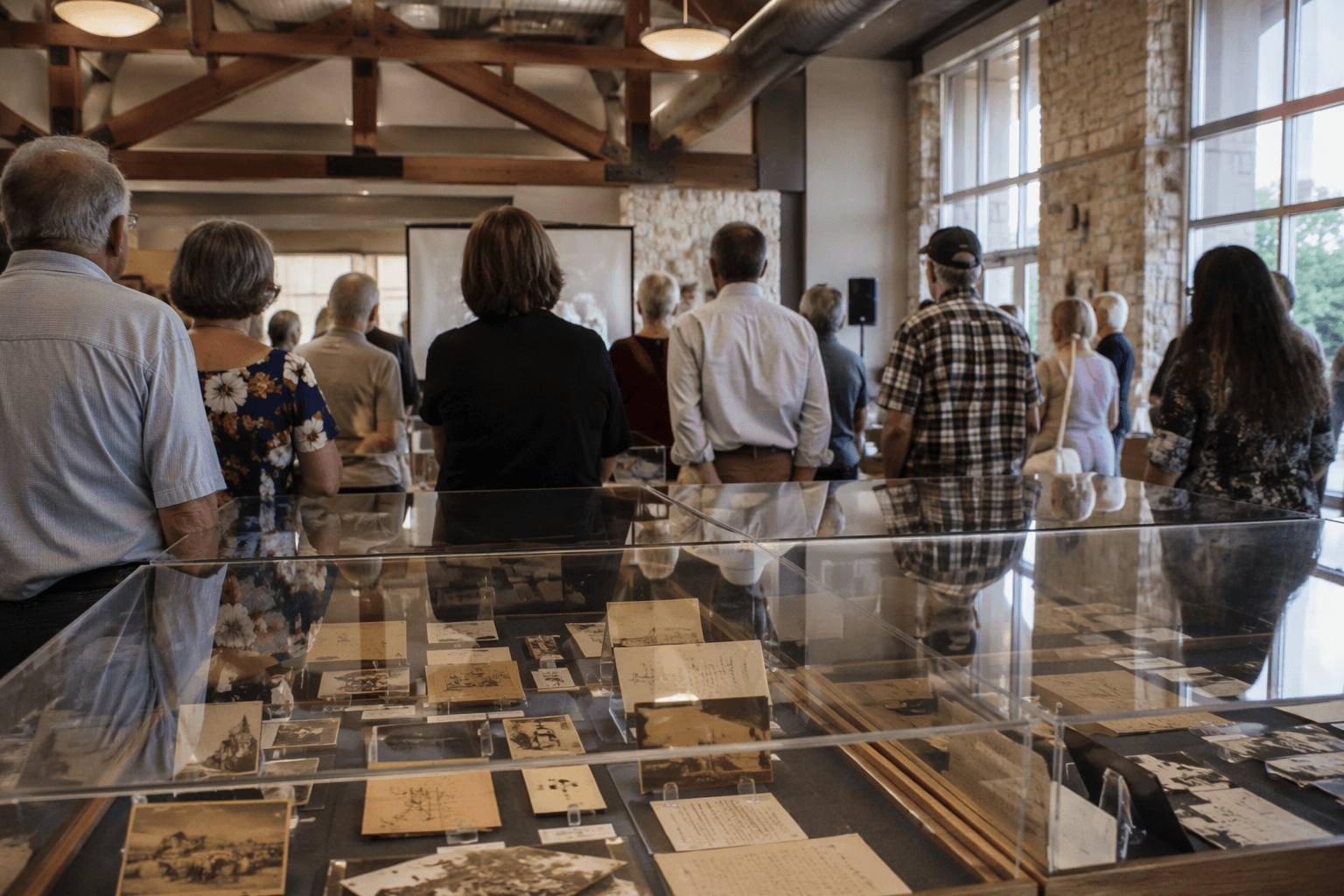
Collin County's Historical Commission is not just a county board that meets and files paperwork. Its mission is the identification, preservation, protection and interpretation of the history of Collin County, and that work reaches into schools, civic clubs, museums, archives and neighborhood gatherings across a fast-growing county that keeps adding new residents.
What the commission is built to do
The commission's own materials show a broad preservation agenda, not a narrow ceremonial one. Its standing work includes state and county historical markers, preservation celebration awards, historical cemeteries, designation and restoration, property tax abatement, the Speakers Bureau, news and publications, educational programs, oral histories and videos, workshops, local histories and films, county markers, and historic assets surveys.
That scope matters because it turns history into services people can use. A teacher can borrow a speaker, a neighborhood group can learn how a marker gets approved, and a preservation advocate can see how tax abatement fits into the county's historic-property toolbox. The commission's committee structure reflects that range, with recurring reports for grants, oral history and videos, state markers, county markers, educational programs, tax abatement, endangered buildings and cultural resources, workshops, awards, historic cemeteries and public relations.
The volunteer side is visible too. A December 2021 newsletter identified 2021-2022 officers as Chairman Paula Ross, Vice Chairman Nathan White and Treasurer Eric Hogue, and an April 2022 newsletter added Recording Secretary Jan Thatcher. Agendas also note that volunteer hours are recorded at meetings, which makes the work measurable as part of the county's public mission.
Programs people can actually use
The Speakers Bureau is the clearest public doorway into the commission's work. The 2022 newsletter promoted it alongside student video competition, student art and poetry competitions, and a historical bus tour, all of which push local history beyond the meeting room and into classrooms, family programs and community events.
Several standing efforts have direct practical value for ordinary residents and organizations:
- State and county historical markers help identify places worth noticing before development or neglect erases them.
- Historic cemeteries and endangered buildings work as preservation alerts, especially in a county where growth pressure can move faster than memory.
- Oral histories and videos capture stories from longtime residents while those memories are still available.
- Workshops and educational programs give civic groups, libraries and schools ready-made history content.
- Tax abatement and designation and restoration connect preservation to property decisions, not just sentiment.
The commission's 2022 agenda also included a Collin County Cruise Grants item among committee reports, another sign that outreach and support are part of the docket, not side projects. Taken together, the programs make local history accessible in forms people can actually attend, download, display or use in planning.
Where the county's history lives
Collin County's oral-history record is more than an internal archive. The City of McKinney's oral-histories page highlights "Collin County - The Way it Was: As Told by the Pioneers Who Lived its History," a Bicentennial Oral History Project from 1976 edited by Mike Apsey, and the audio files are available in MP3 format for download. That format matters because it makes the stories easy to share with classrooms, researchers and families rather than locking them into a single exhibit or event.
DigitalCommons@Collin adds another layer of access through its collection titled "Collin County Historical Commission Oral Histories." For a county that keeps growing, a digital archive gives newcomers a way to hear the older voices of the place they have moved into, from pioneer memory to later community testimony.
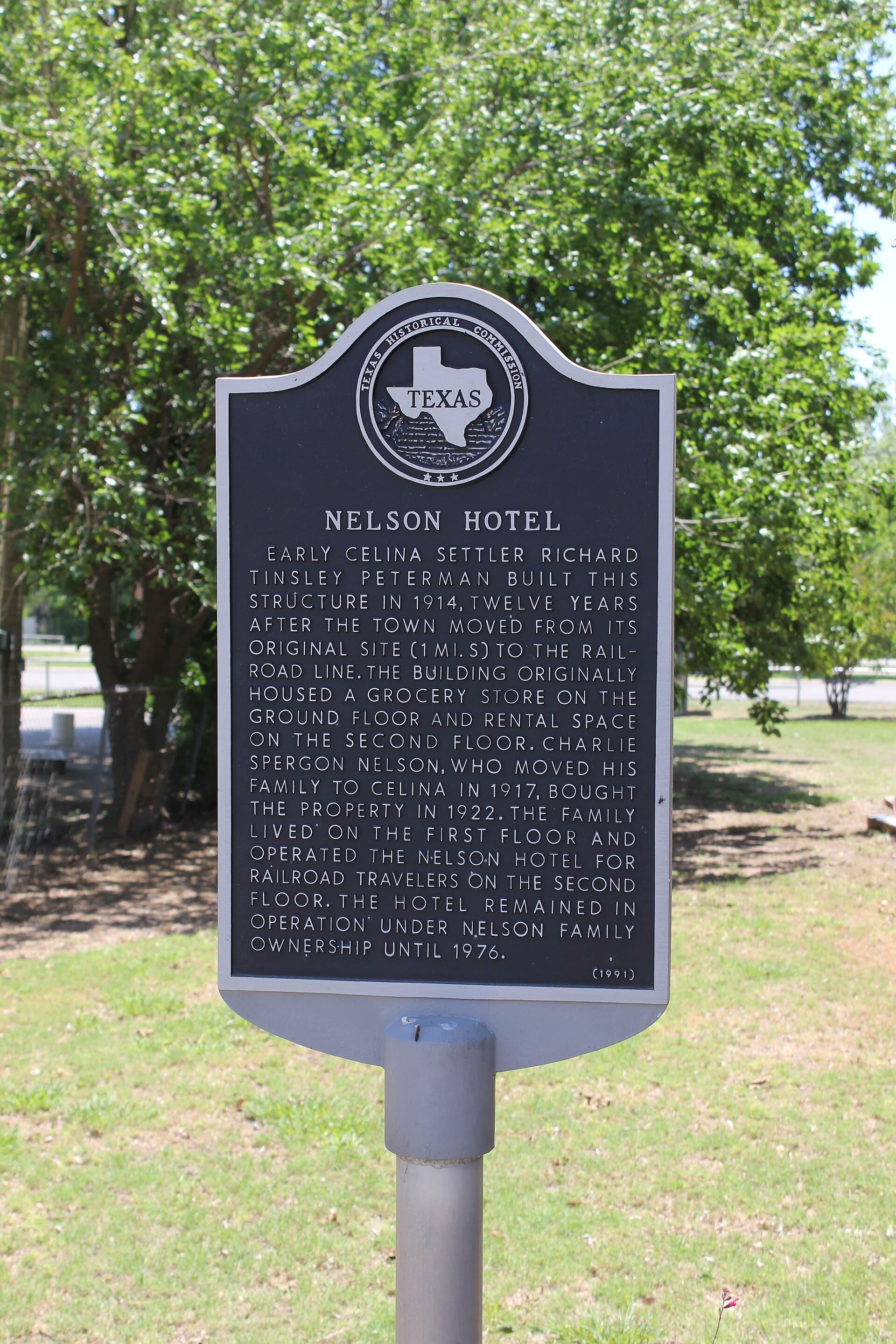
The commission's meeting spaces also tie the work to real places in McKinney. A May 27, 2021 agenda shows the commission meeting at the Heard-Craig Carriage House, 205 W. Hunt St., McKinney, and a September 28, 2023 notice shows a meeting in the Collin County Commissioner's Courtroom, 4th Floor, 2300 Bloomdale Road, McKinney. The Heard-Craig House itself is listed by the Texas Historical Commission as Marker Number 6165 at 205 W. Hunt St., anchoring the commission's work in a well-known historic site.
Awards, recognition and preservation incentives
The commission also uses awards to spotlight preservation work already happening across the county. A special-awards document lists Collin McKinney Achievement Award recipients from 2008 through 2022, including Heritage Guild of Collin County in 2008, The Plano Conservancy for Historic Preservation in 2010, Melissa Cemetery and Association in 2011, Chestnut Square Historic Village, Pat Rodgers and Terri Monk, in 2013, Prosper Historical Society in 2014, Bear Creek Cemetery Foundation in 2015, Heritage Farmstead Museum in 2016, Collin County History Museum in 2017, Anna Area Historical Preservation Society in 2019, Allen Heritage Guild in 2020, and Heritage Assn. of Frisco & Frisco History Museum in 2022.
The same list also includes years marked "No nomination," which shows the award is not automatic. That selectivity gives the recognition weight, especially for local organizations that have spent years maintaining sites, records and exhibits with limited resources.
Those recipients also show how broad Collin County's preservation network is. The names stretch from cemeteries to museums to city-centered heritage groups, which means the commission is not rewarding one kind of history work but a countywide ecosystem of it.
A countywide network, not an isolated board
Collin County's preservation work sits inside a larger Texas system. The Texas Historical Commission has a statewide County Historical Commission outreach and history page, which places county historical commissions inside a broader preservation network rather than treating them as isolated volunteer boards. A North Texas History Center page says the Collin County Historical Commission was founded in 1957, giving the county's organized preservation effort a long institutional memory of its own.
That background matters in McKinney, Plano, Frisco, Allen, Prosper and the smaller communities that keep getting absorbed into rapid suburban growth. The county's history work now runs through a visible set of partners and public-facing places, including the Collin County History Museum, the Heard-Craig Center for the Arts, the City of McKinney oral-history archive and DigitalCommons@Collin. The result is a system that helps residents, teachers, civic groups and newcomers find a usable entry point into Collin County's past, not just a name on a government agenda.
This article was produced by Prism’s automated news system from verified source data, official records, and press releases, then run through automated quality and moderation checks before publishing. The system is built and supervised by the people who set the standards it runs under. Read our full AI policy.
Did this article answer your question?