McKinney’s historic courthouse square shaped Collin County’s downtown identity
McKinney’s courthouse square still shows how Collin County was planned, built, and traded downtown. Walk it for the 1876 courthouse, the 1880 jail, and a square that still drives foot traffic.
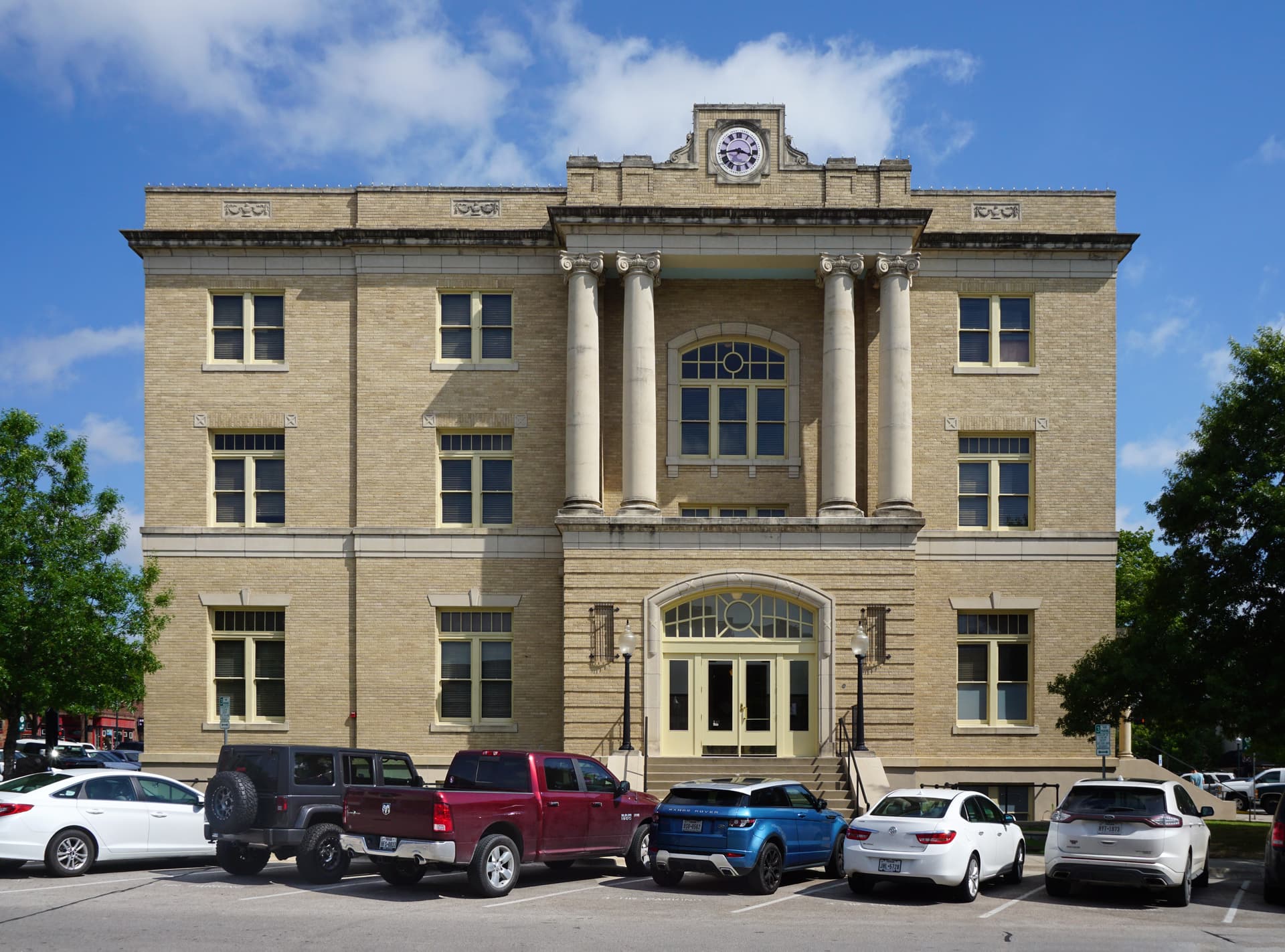
Stand in the middle of McKinney’s Historic Collin County Courthouse Square, and downtown Collin County starts to make sense. The city says this was the county’s busiest civic hub from 1876 to 1927, and the layout still works as a guide to how McKinney grew about 30 miles north of Dallas. What looks like a pretty historic block is also a living county center, where architecture, land use, and commerce still meet.
Start in the middle of the square
The easiest way to experience the square now is to begin at the courthouse itself and look outward. McKinney’s downtown tour describes the square as a prototypical Shelbyville Square, which means the courthouse sits in the center of a park-like public space while major streets meet at the corners. That design is not decorative trivia, it is the reason the square still feels like the city’s organizing point instead of just another preserved block.
The Texas Historical Commission adds the clearest footprint-level detail: the square was the sole public space set aside in the original town plan, and the commercial core grew on long, narrow lots measuring 25 by 100 feet that face the courthouse. The square itself is about 2.5 acres, which helps explain why it feels compact even as downtown McKinney has expanded around it. If you want to read the city like a map, this is where to start.
What the land donation changed
The square exists because William Davis donated 120 acres of land to the Collin County Commissioners for the courthouse square. That decision fixed the center of county government in place and gave McKinney a layout that still shapes how visitors move through downtown. The city’s tour notes that 53 of the 157 Shelbyville Squares in Texas are prototypical, putting McKinney within a recognizable courthouse-town pattern rather than a one-off design.
That pattern matters because it made the courthouse more than a government building. In the courthouse-square model, the county seat, the commercial blocks, and the public open space are all tied together, so shopping, legal business, and social life all cluster around the same center. A Dallas Morning News feature captured that logic by framing McKinney as a city planned to be perfectly situated as the center of Collin County.
Read the history in the buildings
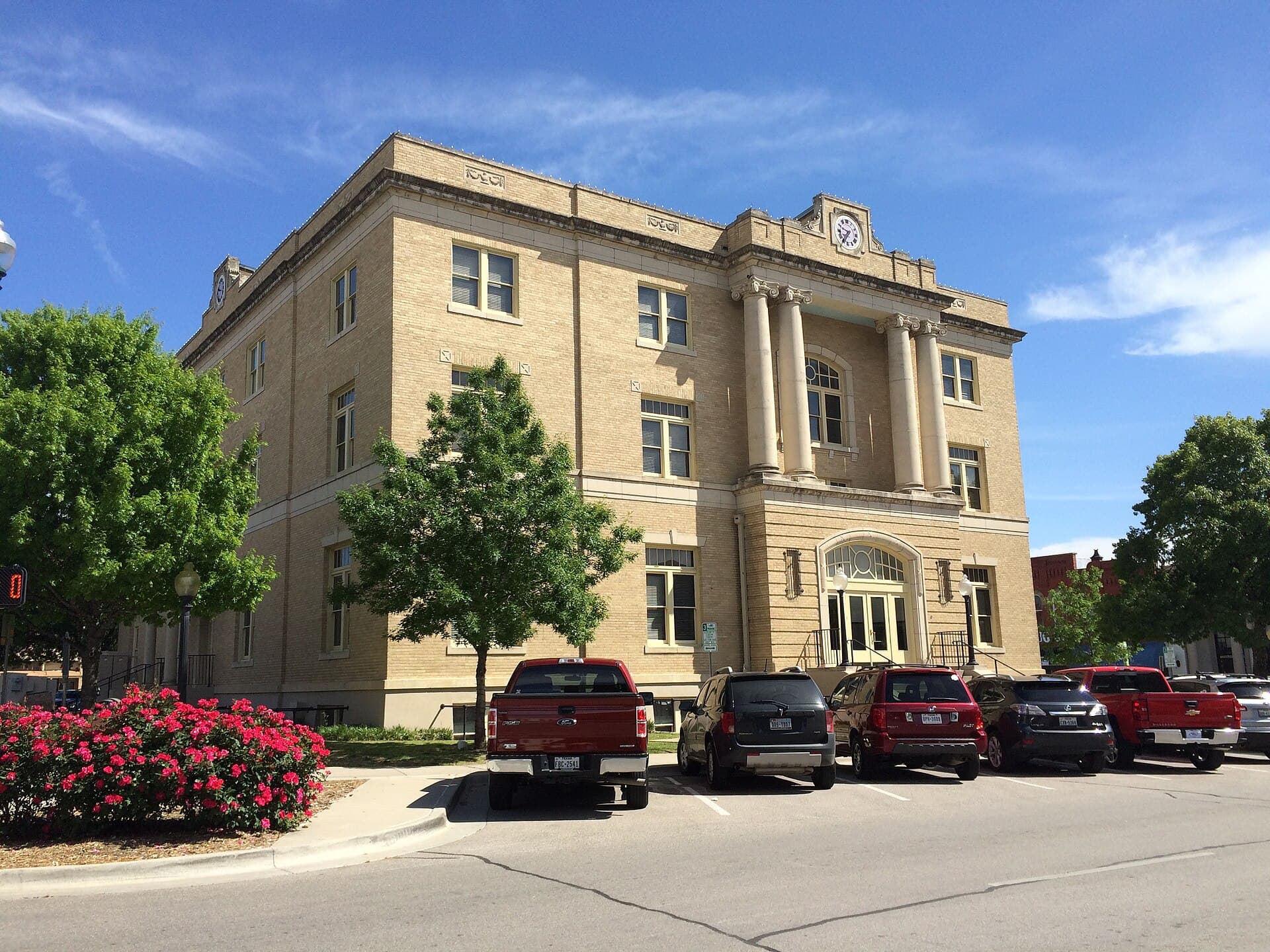
The Old Collin County Courthouse opened in 1876 and was remodeled in 1926-27, a stretch that lines up with the city’s description of the courthouse as a bustling hub for Collin County from 1876 to 1927. That span tells you how long the square functioned as the county’s main civic stage before administrative life spread farther outward. The courthouse site also sits on the land designated in the 1839 townsite donation, which ties the modern square to McKinney’s earliest planning.
The square’s older county-seat story goes back to 1848, when McKinney became the county seat and a log courthouse was built on the square. That sequence shows how quickly the location became the administrative heart of Collin County. The later brick-and-stone courthouse replaced the earlier structure, but the placement stayed the same, reinforcing the idea that the square was chosen to stay central.
Take the walking-tour stops seriously
The most useful way to experience the square now is on foot, because the side streets still tell the same story as the courthouse lawn. North Tennessee Street, Church Street, and Virginia Street frame the downtown core, and the block-by-block scale reflects the original 25-by-100-foot lots. That makes the storefront rhythm around the square feel intentional rather than accidental, with commerce facing the civic center instead of turning away from it.
A few steps away, the Old Collin County Jail at 205 N. Church Street adds another layer to the walk. Built in 1880, it was designed by early Texas architect F. E. Ruffini and built by the Dallas firm Leftwich and Jamison. The building is a T-plan Victorian Italianate structure with quarry-faced ashlar limestone on the facade and a pressed metal cornice, details that make it one of the best places in downtown to see how serious county architecture once looked.
Why the square still functions as an economic engine
McKinney’s historic downtown is not just preserved, it is active. The City of McKinney says the historic downtown has earned Cultural District designation from the Texas Commission on the Arts, which keeps the square tied to commerce, companionship, and culture rather than leaving it frozen as a museum piece. That designation matters because downtowns survive by drawing people for more than one reason, and the square still does that through walking tours, public space, and the business blocks around it.
NBC 5 noted in 2018 that the old courthouse had anchored downtown McKinney’s historic square for nearly 150 years and that its exterior was showing age. That combination, long civic presence and visible wear, is part of why the square remains such a live issue for preservation and downtown planning. A place that still anchors the center of town, still frames the streets, and still attracts foot traffic is doing more than remembering Collin County history. It is carrying it forward.
This article was produced by Prism’s automated news system from verified source data, official records, and press releases, then run through automated quality and moderation checks before publishing. The system is built and supervised by the people who set the standards it runs under. Read our full AI policy.
Did this article answer your question?