Cumberland County attractions page highlights 60 cultural organizations
Cumberland County’s attractions page puts more than 60 cultural organizations in one place, helping residents and day-trippers navigate a county spread across 14 municipalities.
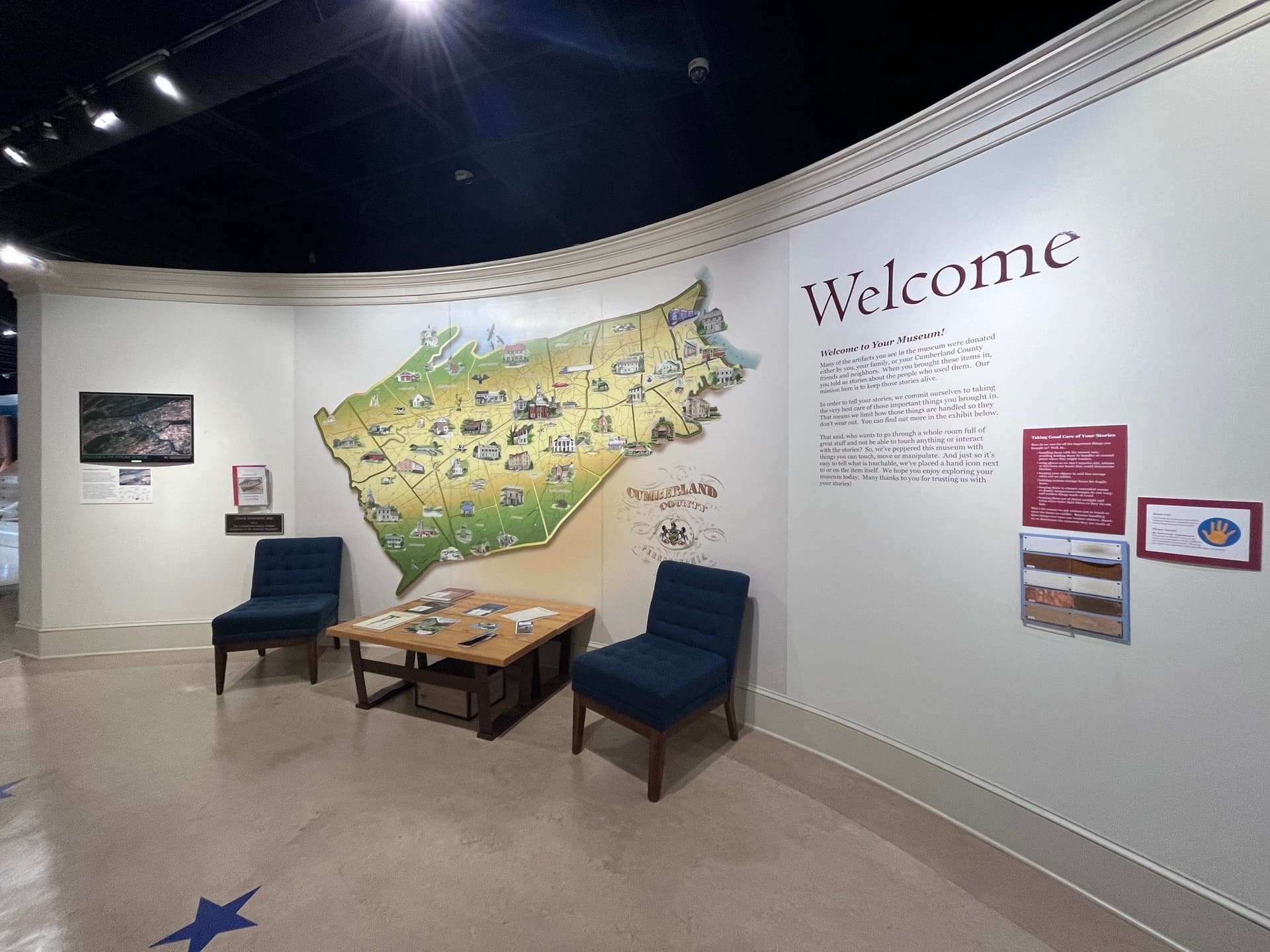
Cumberland County’s attractions page is built for one job: turn a geographically large county into one usable day-trip map. With more than 60 cultural organizations to reach out to, it gives residents, school groups, and visitors a faster way to sort out arts, history, recreation, and community life.
1. Explore Cumberland County attractions page

The county’s own hub pulls attractions, cultural organizations, and things-to-do ideas into one place. In a county with destinations spread from Bridgeton to Port Norris, that kind of consolidation saves time.
2. More than 60 cultural organizations
The page says Cumberland County has more than 60 cultural organizations people can contact. That number matters because it signals depth, not just one or two headline stops.
3. Fourteen municipalities
Rutgers New Jersey Data Book says Cumberland County includes 14 municipalities. A county that broad needs a central guide, especially when a quick outing might start in one town and end in another.
4. Fifth-largest county by land area
Rutgers ranks Cumberland County as New Jersey’s fifth-largest county by land area. Size is part of the reason a countywide attractions page is useful for planning around distance, not just interest.
5. Founded in 1748
Rutgers says the county was founded in 1748. That long timeline helps explain why heritage sites and cultural institutions remain such a visible part of the county’s identity.
6. Bridgeton
Bridgeton is one of the county anchors named in the material. It is also home to the Cumberland County Cultural & Heritage Commission at 164 W. Broad St., which makes it a practical starting point for history-minded visits.
7. Vineland
Vineland sits on the same countywide map and is specifically named in the commission’s coverage area. For day-trippers, that means the attractions page is not just about the bayshore, but about a wider inland circuit too.
8. Millville
Millville is where the county tourism office is listed, at 291 Morton Avenue. That gives the attractions page a real-world anchor for anyone who wants to follow up by phone or in person.
9. Commercial Township
Commercial Township is part of the countywide picture and includes Port Norris. Its inclusion matters because the county’s cultural story reaches beyond the larger city names.
10. Port Norris
Port Norris is one of the county’s strongest heritage markers. Rutgers notes that it was once known as the “Oyster Capital of the World,” which adds a working-waterfront layer to the county’s tourism pitch.
11. Delaware Bay
The Philadelphia Encyclopedia says Delaware Bay contributed significantly to the Philadelphia region’s economic development. That regional history still shapes how Cumberland County’s bayshore story is understood today.
12. Bayshore Center in Port Norris
The Bayshore Center in Port Norris traces much of Delaware Bay’s history. For a visitor, that makes it one of the clearest places to connect the county’s present-day attractions with its maritime past.
13. Cumberland County Department of Planning, Tourism & Community Affairs
Explore Cumberland County lists this department as the county office behind the attractions page. It is the clearest sign that the page is part of an official county effort, not an informal list.
14. 291 Morton Avenue, Millville, NJ 08332
That Millville address gives the tourism office a concrete stop on the county map. For residents, it is the kind of practical detail that turns a webpage into an actual resource.
15. 856-453-2175
The attractions page gives a phone number for the county tourism office. That matters for people who would rather call than hunt through multiple pages or social feeds.
16. Cumberland County Cultural & Heritage Commission
Discover Jersey Arts lists the county’s Cultural & Heritage Commission as a central arts and history promoter. Its role is broader than one museum or one festival, which is why it fits a countywide attractions page so well.
17. 164 W.
Broad St., Bridgeton, NJ 08302
That Bridgeton address places the commission in the county’s historic core. It also gives local groups and visitors a physical contact point for arts and heritage questions.
18. Arts and history from the bayshore to Vineland and all points between
Discover Jersey Arts says the commission promotes the arts and history of the county from the bayshore to Vineland and all points between. That range shows how the county’s cultural map stretches across very different communities.
19. Cumberland County Tourism Advisory Council
The county also has a Tourism Advisory Council, which shows tourism is treated as an organized county function. That matters when residents want something more durable than a one-off event listing.
20. 2017 billboards
In October 2017, county tourism unveiled billboards calling visitors to explore Cumberland County. The campaign shows the county has been trying to raise its profile for years, not just seasonally.
21. Jim Quinn
The 2017 coverage quoted Cumberland County Freeholder and Tourism Liaison Jim Quinn encouraging people to visit the county tourism website. His role tied local government directly to the county’s tourism push.
22. County tourism website
Quinn’s message pointed people to the county tourism website as a place to start. That remains the same basic value of the attractions page: one door into a bigger set of options.
23. HEAR HERE podcast series
The Explore Cumberland County site includes a HEAR HERE podcast series. That adds a storytelling layer for residents who want history and local color before they decide where to go.
24. Instagram
The county tourism effort also uses Instagram. That matters because cultural discovery now happens in short visual bursts, not only on static webpages.
25. Facebook
Facebook is part of the county’s outreach too. For local events and last-minute planning, that can be the quickest way to spot what is happening across the county.
26. Family trip planning
The attractions page is useful when you need a simple family plan without piecing together half a dozen separate websites. Centralized listings reduce the guesswork that often keeps people home.
27. School outing planning
A countywide attractions hub is also useful for teachers and organizers planning field trips. A place that gathers heritage and cultural contacts in one list is easier to work from than scattered flyers.
28. Holiday week planning
Holiday weeks are when people look for something nearby, cheap, and low-effort. A consolidated attractions page makes that search faster for families who do not want to leave the county.
29. Summer overlap
Summer is when outdoor recreation, historic sites, festivals, and arts programming tend to overlap. Cumberland County’s page is most useful when those choices stack up at once.
30. Residents rediscovering home
The county’s biggest audience may be people who already live there. A page that points to more than 60 organizations can remind residents how much is close to home.
31. Local arts groups
Arts groups are part of the page’s value because they are often the easiest entry point into community life. They also tend to be the places where small audiences become regulars.
32. Historic institutions
Historic institutions matter in a county founded in 1748. They give the attractions page depth beyond seasonal events and one-off performances.
33. Recreation providers
Recreation providers widen the page beyond galleries and heritage stops. That balance matters in a county where visitors may want both an activity and a story.
34. Civic associations
Civic associations often anchor local events, volunteer work, and neighborhood traditions. Their presence on a countywide guide helps turn public information into actual community use.
35. Heritage sites
Heritage sites are central to a county whose history reaches back to the 18th century and to Delaware Bay’s maritime economy. They are the places where the county’s past stays visible.
36. Public spaces
Public spaces matter because they are where most casual visitors actually spend time. A good attractions page helps people find places that are open, familiar, and easy to reach.
37. Community institutions
Community institutions are the backbone of a countywide guide like this one. They are the places that make a cultural map useful in daily life, not just on special occasions.
38. Low-cost outings
The county page is especially helpful when you want an outing that does not require a major budget. Centralized listings make it easier to pick something nearby instead of defaulting to a bigger city.
39. Weekend visits
For nearby day-trippers, the county works best as a weekend destination. The attractions page gives a fast overview of what is worth the drive across one of the state’s largest counties.
40. Visitors starting from scratch
People who do not know Cumberland County well need a place to begin. The attractions page serves as that first step, especially when the county is spread across several distinct towns.
41. County identity
The county’s identity is not just one attraction or one shoreline. It is a mix of heritage, arts, recreation, and working-waterfront history spread across the map.
42. Bayshore identity
The bayshore remains one of the strongest parts of that identity. It gives the attractions page a geographic theme that is different from a generic inland tourism list.
43. Working-waterfront history
Port Norris and Delaware Bay bring a working-waterfront dimension to the county’s story. That history is part of what makes Cumberland County more than a standard weekend-stop destination.
44. Oyster history
Rutgers notes that Port Norris was once known as the “Oyster Capital of the World.” That is a specific local story with real tourism value because it ties food history to place.
45. One of the four leading oyster-producing states
Rutgers says Port Norris was once among the four leading oyster-producing states in the nation. That detail shows how important the county once was to a major regional industry.
46. Philadelphia region economic development
The Philadelphia Encyclopedia links Delaware Bay to the region’s economic development. Cumberland County sits inside that larger maritime and trade story.
47. Bay history
The Bayshore Center in Port Norris traces much of Delaware Bay’s history. That makes the county’s attractions page useful for people who want context, not just a list of stops.
48. Countywide tourism coordination
The Tourism Advisory Council, the tourism office, and the cultural commission all point to the same thing: tourism is coordinated countywide. That helps the attractions page function as a real planning tool.
49. Practical rather than promotional only
The site is useful because it organizes information, not just slogans. That difference matters to locals who want a workable plan for a Saturday, not a brochure.
50. Less guesswork
When attractions are grouped in one place, planning gets simpler. Fewer searches mean fewer barriers to actually leaving the house.
51. Supporting local businesses
More visits to county attractions can spill over into nearby restaurants, shops, and services. That link between tourism and local spending is one of the clearest community benefits.
52. More time in public venues
When people know what is nearby, they are more likely to show up in public spaces and institutions. That helps keep the county’s cultural network visible and active.
53. More reasons to stay local
A strong attractions page gives residents reasons to stay local instead of driving farther away. That matters in a county where travel time can shape whether a place feels convenient or remote.
54. A broader arts map
The page makes Cumberland County feel less like a single town and more like a network of arts stops. That is especially useful for anyone who wants to connect Bridgeton, Millville, and Vineland in one outing.
55. A broader history map
The same is true for history. The county’s story stretches from inland communities to the bayshore, and the attractions page helps show that connection.
56. A family-friendly frame
Because the page collects different kinds of organizations in one place, it works for mixed-age outings. One person can be looking for heritage, another for recreation, and both can start from the same page.
57. A countywide cultural corridor
The line from the bayshore to Vineland and all points between is more than a slogan. It describes a countywide corridor where culture is spread out, but still connected.
58. Multiple formats for discovery
Between the website, podcast, and social channels, the county is using several ways to reach the public. That gives people more than one path into the same attractions network.
59. A standing invitation
Unlike a one-time event listing, the attractions page stays relevant as a standing invitation to explore. That makes it especially useful for a county whose appeal comes from depth, not just one headline stop.
60. The real takeaway
Cumberland County’s attractions page is most valuable because it turns a large, historic county into something immediately usable. For residents and nearby day-trippers, it is the quickest route to arts, heritage, and local places worth the drive.
This article was produced by Prism’s automated news system from verified source data, official records, and press releases, then run through automated quality and moderation checks before publishing. The system is built and supervised by the people who set the standards it runs under. Read our full AI policy.
Did this article answer your question?