Brownsport Furnace reveals Decatur County’s role in Tennessee iron industry
Brownsport Furnace ties Decatur County to Tennessee’s Western Highland Rim iron belt, and its park still anchors local history, recreation, and preservation.
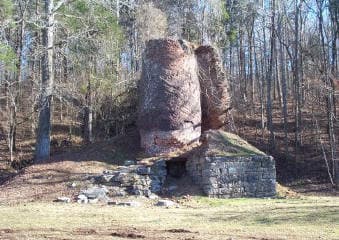
Brownsport Furnace sits at the point where Decatur County’s river landscape meets its industrial past. The site is more than an old furnace name on a map: the Tennessee Division of Archaeology places Brownsport in a broader 19th-century iron network, and the Brownsport Furnace park still gives that history a visible place in the county’s public life.
A furnace landscape, not a single site
The strongest way to understand Brownsport is as part of a working industrial corridor, not an isolated ruin. The Tennessee Encyclopedia places Tennessee’s nineteenth-century iron industry along the Western Highland Rim, where furnaces depended on ore, timber, labor, water access, and transport routes. In Decatur County, that geography centered on the Tennessee River, which shaped where the furnace could operate and how the industrial site was remembered.
The Tennessee Division of Archaeology’s research series identifies Brownsport furnace operations in Decatur County as archaeological sites 40DR85 and 40DR86. It also notes Brownsport I across the Tennessee River from the furnace operations, a detail that matters because it shows the industrial landscape stretched beyond one point on the bank. Brownsport was part of a countywide river system that helped move raw material, fuel, and finished iron.
What the land records reveal
Brownsport’s history survives not only in archaeology but in deed records. A research excerpt from the Tennessee archaeology report says David Dick, Jr. sold Brownsport Furnace and about 8,000 acres to John W. Walker in September 1859. The same material refers to “6,000 acres of the old Brownsport Furnace lands, excluding the furnace itself” in Decatur County deed records.
That acreage gives the site real economic weight. This was not a small local workshop; it was a large holding tied to production, transport, and land ownership in antebellum Decatur County. For families who still know the Brownsport name, those records help explain why the furnace belongs in the county’s land history as much as in its industrial history.
The official record and the archaeology trail
Brownsport Furnace is also documented in the federal and state record that guides preservation work today. NPGallery, the National Park Service’s digital catalog, identifies Brownsport I Furnace, site 40DR85, as part of the multiple property submission Iron Industry on the Western Highland Rim, a framework that places the site within a long regional story running from the 1790s through the 1920s. The Brownsport I Furnace site record is dated July 28, 1988.
That kind of documentation matters because it tells local schools, historians, and preservation advocates where the site fits in a larger pattern of Tennessee development. The archaeological site numbers, the National Register context, and the county deed records all point to the same conclusion: Brownsport is one of the places where Decatur County’s industrial era can still be traced with precision.
How old Brownsport still works for the county now
The Brownsport Furnace park gives the site a present-day role that goes beyond interpretation panels. The Decatur County Chamber of Commerce says the park offers an interpretive area for an old pig iron smelting furnace and serves as a public-use space for Decatur County Saddle Club trail rides, company picnics, and other outdoor recreation. That mix of history and use is what keeps the site visible to people who might never visit a formal museum.
A place like Brownsport also supports heritage tourism in a practical way. Visitors do not need a standing furnace to understand the story when the site itself, the river crossing, and the surviving records explain how the county once powered an iron economy. For schools, the value is even more direct: Brownsport gives teachers a local example of industrialization, land ownership, and transportation history that can be tied to the geography students already know.
The broader story behind the furnace name
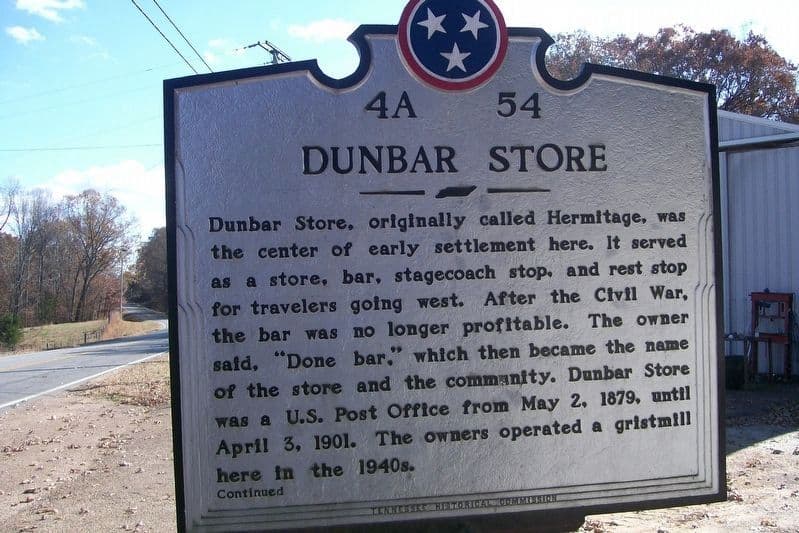
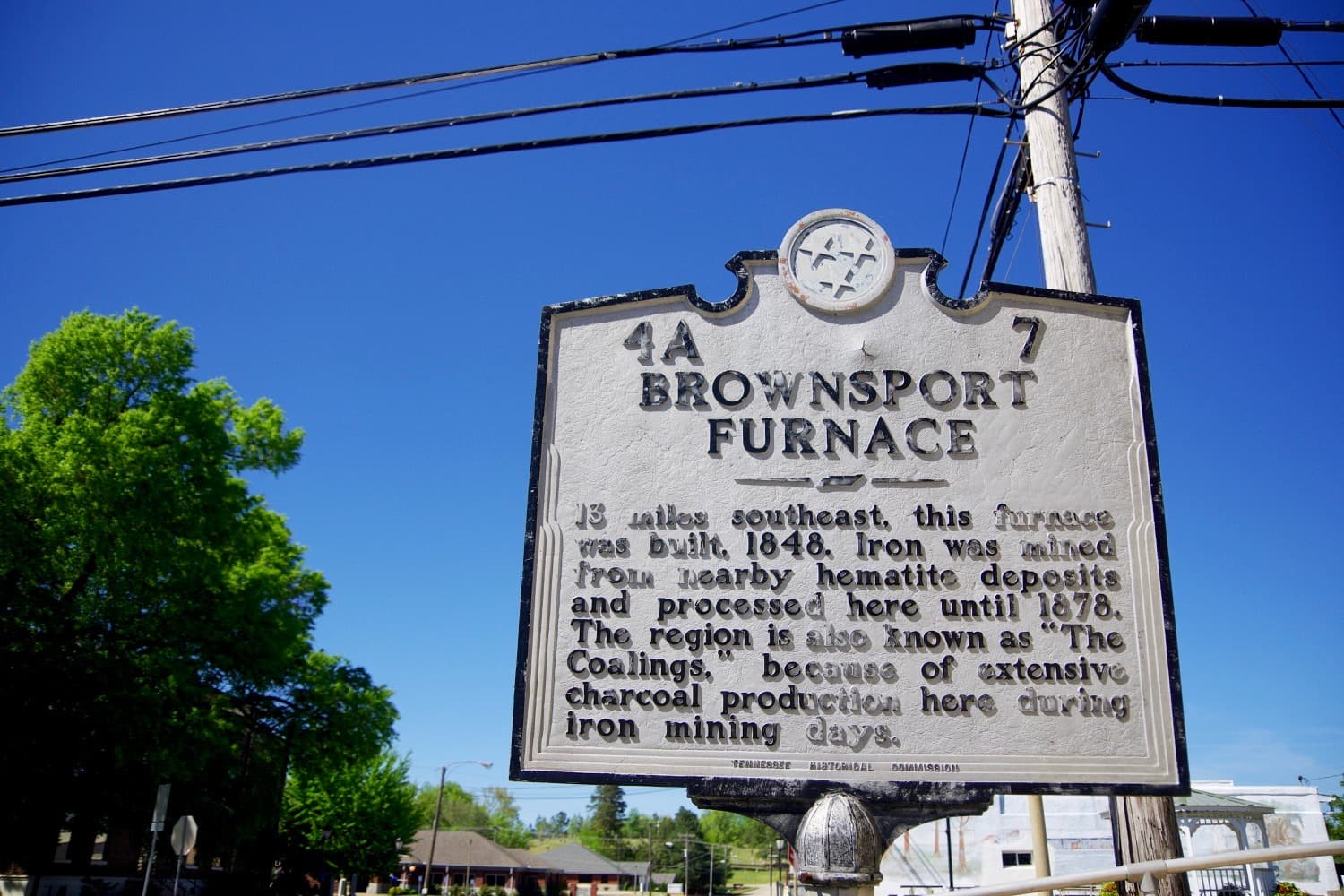
Secondary accounts add more detail to the Brownsport timeline. One places the furnace in the Gumdale community in Decatur County and says it was built around 1848. That same source describes it as the first hot-blast furnace built in Tennessee and says it operated from about 1848 to 1876.
Another secondary claim says Brownsport had produced 1,800 tons of iron by 1850, that iron output in the area peaked in 1856, and that Union troops destroyed the furnace during the Civil War. Those figures help explain why Brownsport remains part of local memory, but the most durable takeaway is simpler: the furnace marked Decatur County as a place where Tennessee’s early iron industry was built, measured, mapped, and eventually remembered.
Brownsport’s value today lies in that blend of proof and place. The site still connects the Tennessee River, the county’s deed books, the archaeology record, and the public park landscape into one local story, and that is exactly why it deserves to stay visible in Decatur County’s civic memory.
This article was produced by Prism’s automated news system from verified source data, official records, and press releases, then run through automated quality and moderation checks before publishing. The system is built and supervised by the people who set the standards it runs under. Read our full AI policy.
Did this article answer your question?