Historic John P. Rains Hotel tells Parsons’ railroad-era growth story
The John P. Rains Hotel at 106-108 Tennessee Avenue shows how rail traffic turned Parsons from Parsons Flat into Decatur County’s biggest town. Its 1898 story still anchors downtown memory.
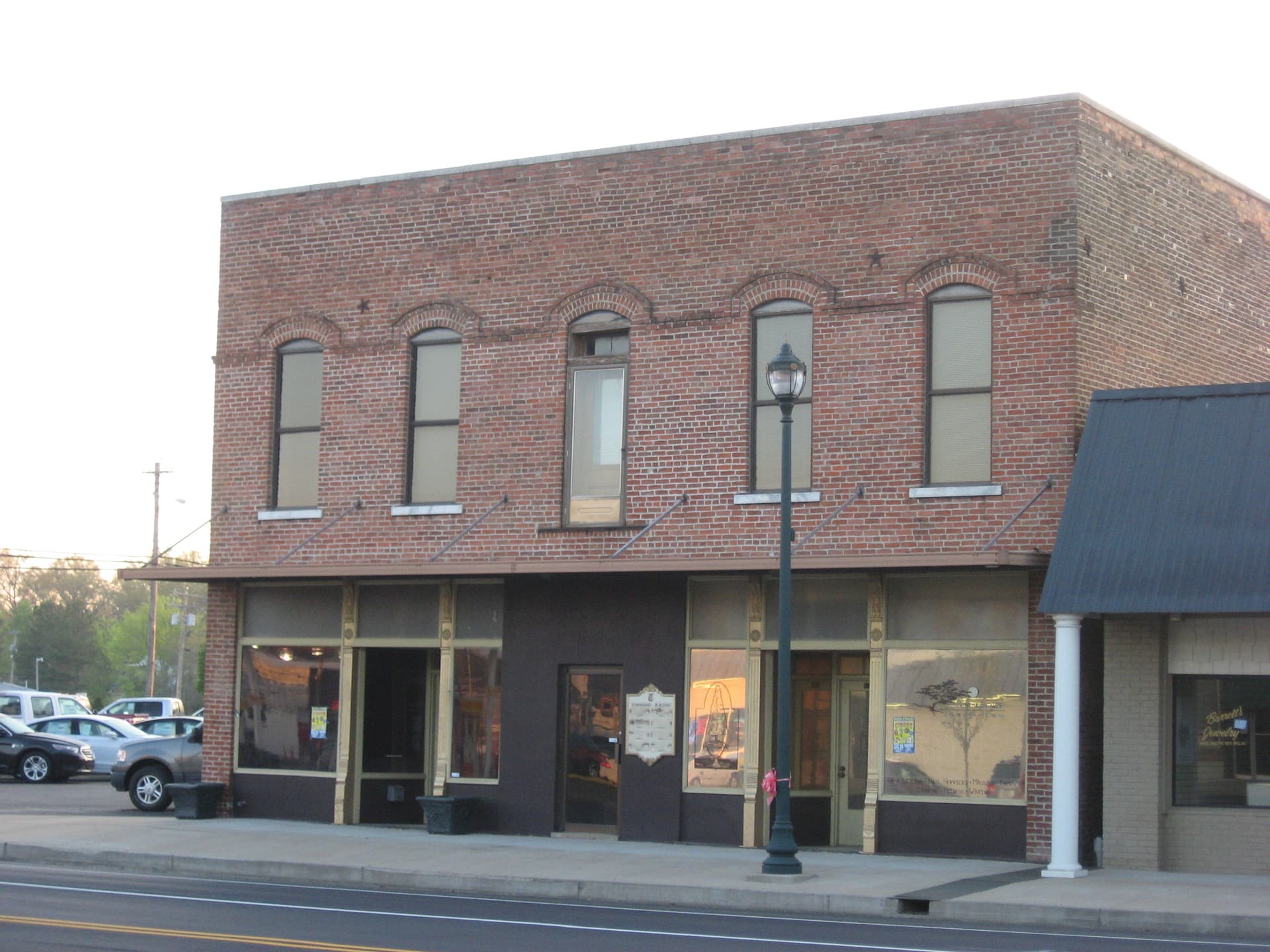
At 106-108 Tennessee Avenue, the John P. Rains Hotel still marks the block where Parsons turned railroad access into downtown business. The National Register inventory identifies the building as the John P. Rains Hotel, also known as the Colwick Hotel, and dates it to 1898, placing it squarely in the town’s railroad-era growth. Historic references also call it the John P. Rains Hotel and Mercantile, a name that hints at how closely lodging and commerce were tied together on Parsons’ main street.
The building at the center of town growth
The strongest reason this structure matters is its address. Tennessee Avenue was not just a street name in Parsons’ early years, it was part of the commercial corridor that grew as the town expanded around rail traffic and local trade. A building that carried both hotel and mercantile functions belonged exactly where travelers, merchants and freight-linked business would have needed to meet.
That makes the John P. Rains Hotel more than an old property with a preservation label. It is a surviving piece of the town’s business map, one that helps explain why Parsons developed into Decatur County’s largest town. The building’s historic role is tied directly to commercial growth in the railroad era, when access to trains could turn a rural community into a service center.
From Parsons Flat to a railroad town
Parsons’ own history starts with Parsons Flat, and the town’s growth story is closely tied to land and rail. City history says Henry Myracle deeded more than 140 acres to the Tennessee Midland Railway Company so Parsons could be built. That transfer matters because it shows the town was not simply growing beside the railroad, it was being shaped by it.
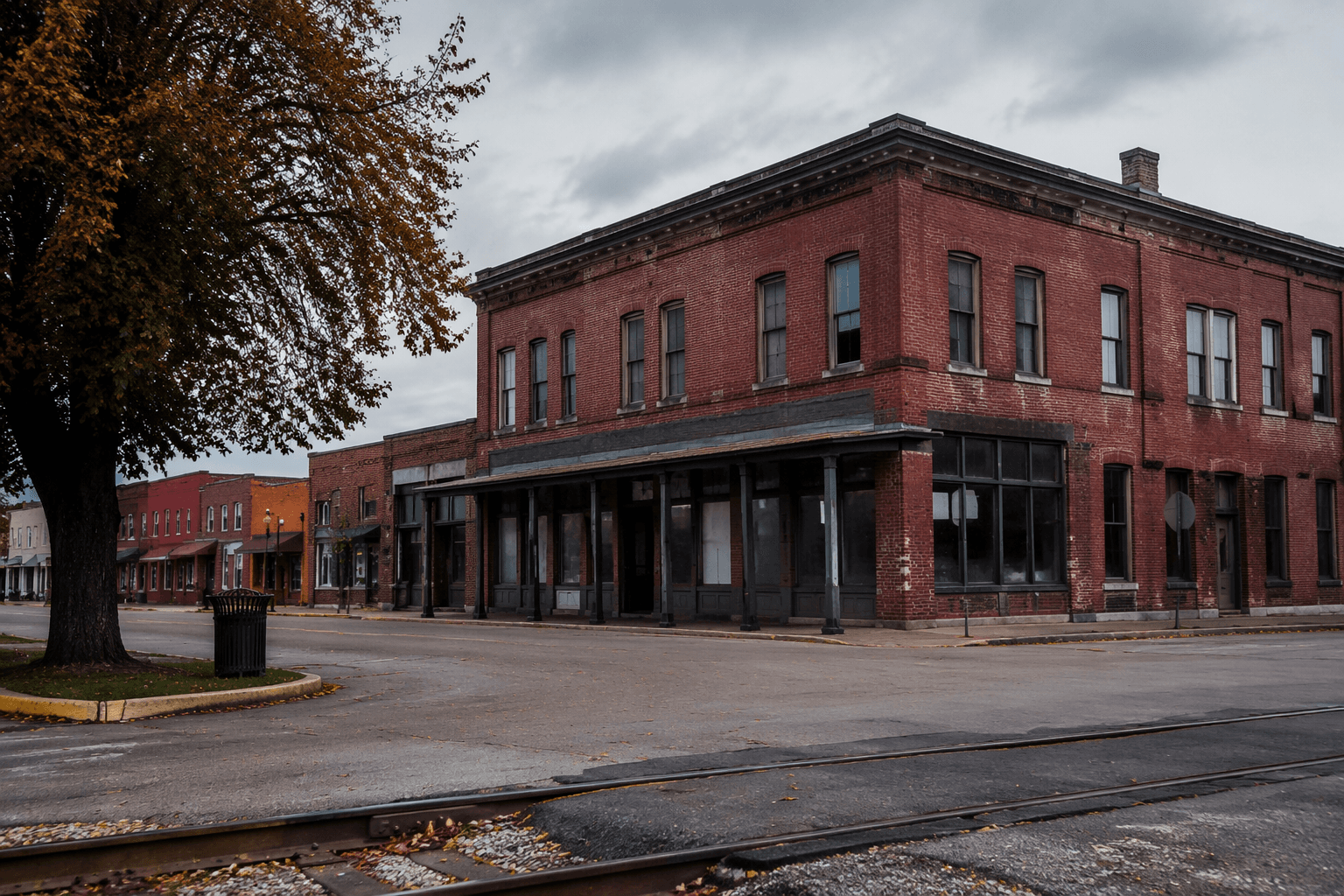
The Tennessee Midland Railway Company was chartered in 1886 to build a line from Memphis to Virginia. By 1889, 135.6 miles of track had been completed to Perryville, and by 1896 the 24.1 miles from Lexington to Perryville were owned by the Louisville & Nashville and operated by the Nashville, Chattanooga & St. Louis Railway. Those numbers matter because they place Parsons in the middle of a larger transportation system that redirected trade, travel and investment across west Tennessee.
For Decatur County, that rail link was not an abstract upgrade. It helped concentrate growth at Parsons, where a new town plan, rail access and commercial demand could reinforce one another. The hotel’s 1898 date falls right after that early expansion period, when Parsons was moving from a rail stop and land development project into a mature town with a business district worth building out.
Why hotel and mercantile history belonged together
The dual identity of the building tells a lot about small-town economics. A hotel on Tennessee Avenue served travelers, salesmen and rail passengers, while a mercantile side would have met the everyday needs of a growing community. In a place like Parsons, one building could do both jobs because the same foot traffic that filled rooms also supported storefront sales.
That pattern was common in county-seat-area towns and trade centers across Tennessee, but Parsons had its own geographic logic. County history places the town near the center of Decatur County, about five miles west of the Tennessee River on State Highways 20, 69 and 100. That location helped make Parsons a practical place for business, supplies and overnight stays, especially in the railroad era when movement depended on where the lines ran and where roads connected.
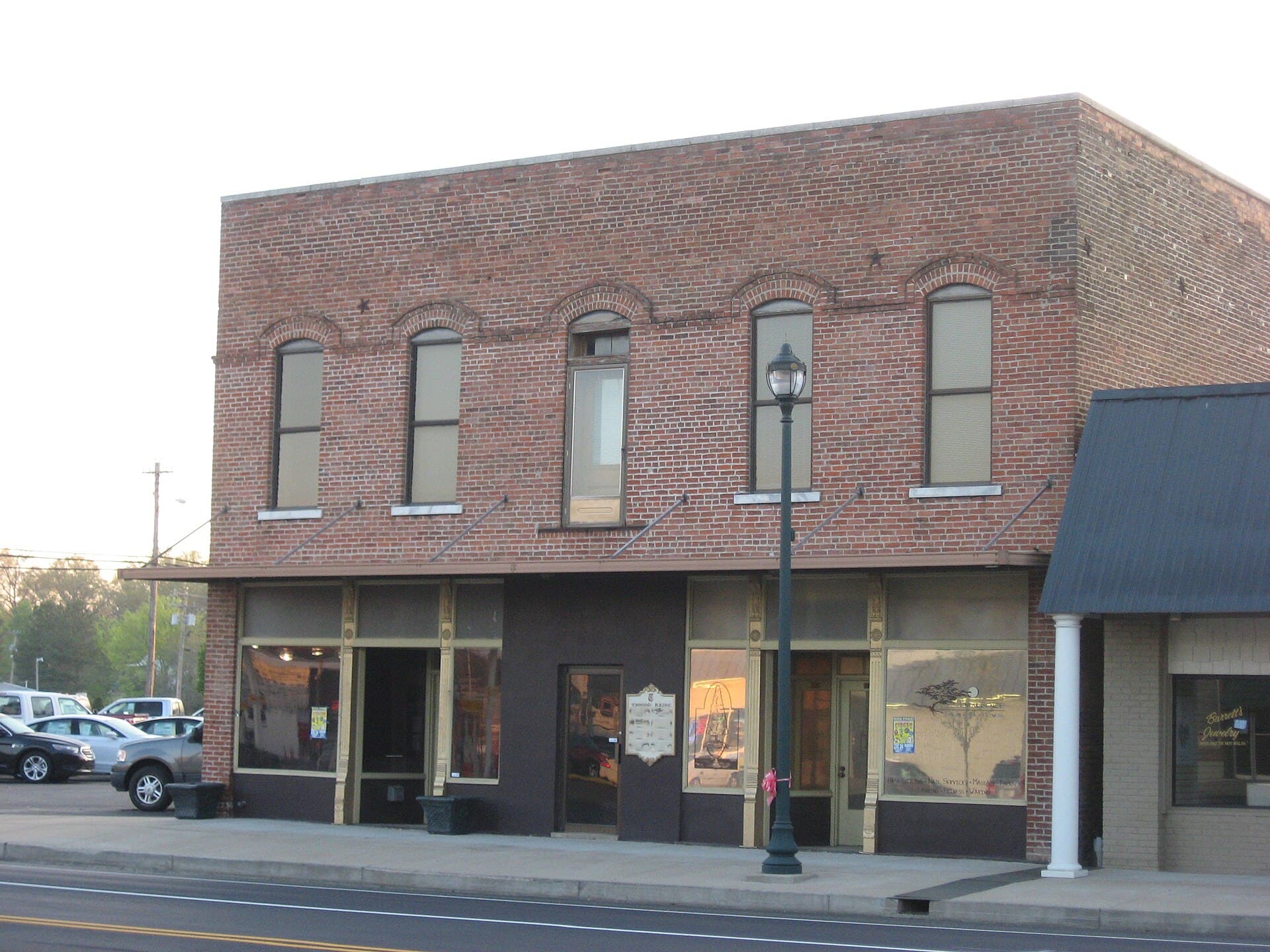
The result was a downtown where commerce and mobility fed each other. A hotel at 106-108 Tennessee Avenue served not only as a place to sleep, but as part of the infrastructure that let Parsons function as a market town. The building’s survival lets readers see how a main street was supposed to work when railroads still shaped where people stayed, shopped and did business.
What preservation protects in Parsons
The National Register of Historic Places inventory gives the John P. Rains Hotel an official place in the record, which matters because preservation is not only about appearance. It is about keeping evidence of how a town grew, where its commercial center formed and how railroad access changed the value of land and buildings. The official listing locks in the property’s name, address and 1898 date, giving Parsons a documented link between a specific site and a bigger economic transition.
That matters locally because places like this carry memory in ways that stories alone cannot. If the hotel disappears from view, so does one of the clearest physical reminders of Parsons’ jump from Parsons Flat to a railroad-shaped business town. The wider lesson for Decatur County is plain: preserving a landmark like the John P. Rains Hotel preserves the structure of the town’s own identity, one storefront and one rail-era block at a time.
This article was produced by Prism’s automated news system from verified source data, official records, and press releases, then run through automated quality and moderation checks before publishing. The system is built and supervised by the people who set the standards it runs under. Read our full AI policy.
Did this article answer your question?