Decatur County highlights riverfront golf and outdoor attractions
Decatur County is using its river corridor to sell more than scenery. Golf, campgrounds, farm stops and historic sites are being positioned to keep visitors spending time, and money, close to the Tennessee River.
Riverfront recreation as an economic asset
Decatur County is packaging its shoreline as more than a scenic backdrop. County officials say tourism is significant here, a message backed by more than 50 miles of Tennessee River shoreline and a public identity as a Tennessee Three-Star Community. In a county of 11,820 estimated residents in July 2025, up from 11,435 in the 2020 census, those visitor dollars matter because they spread across a small local market centered on Decaturville, the county seat established in 1847.
The county’s attractions page reads like an economic-development map: golf, boating, camping, farm visits and heritage stops all clustered around the river. That mix is not accidental. It is designed to turn one-night stops into overnight stays and day trips into repeat spending at local gas stations, restaurants, bait shops and grocery counters across Decatur County.
Tennessee River Golf Club is the county’s polished draw
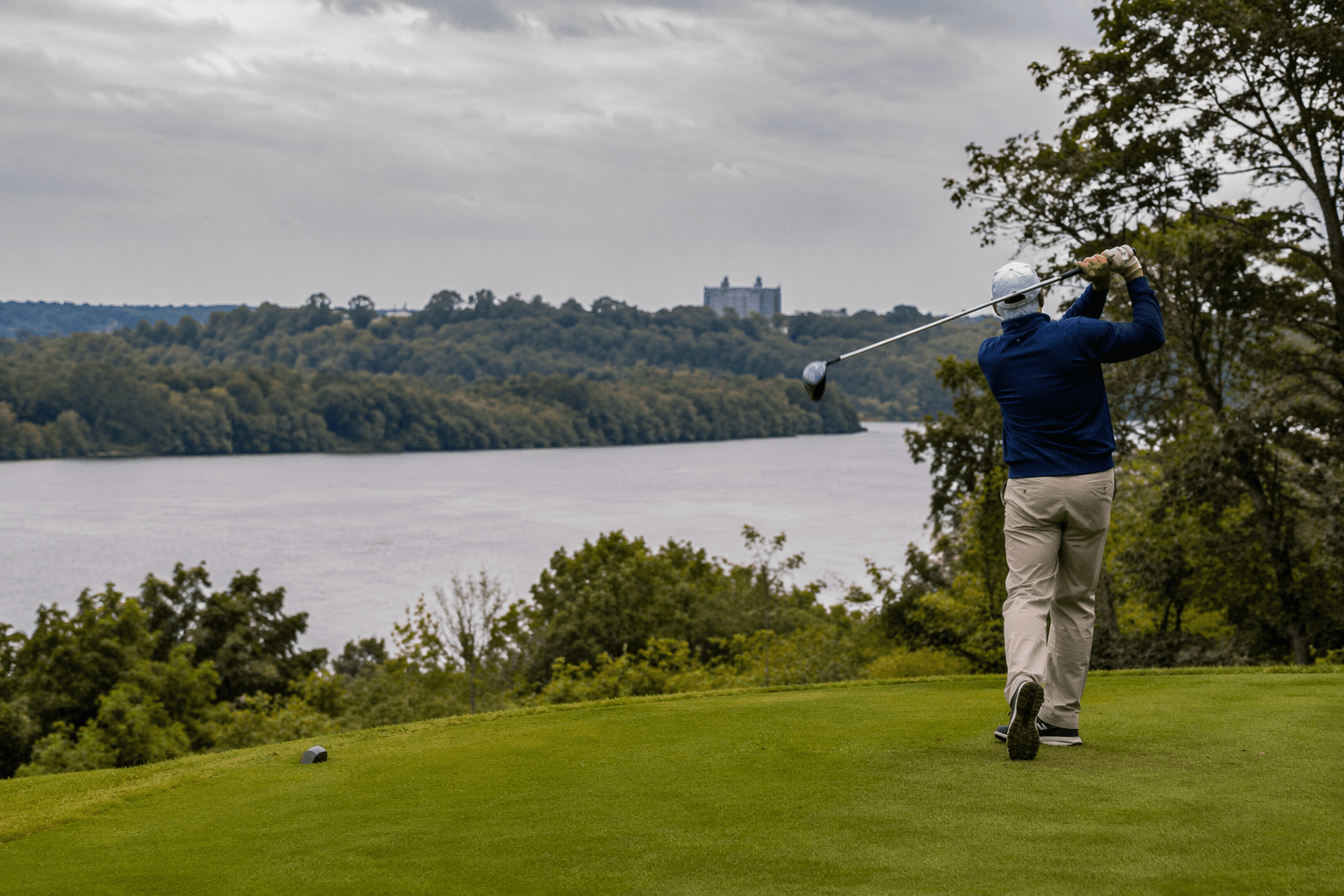
Tennessee River Golf Club is one of the clearest examples of how Decatur County is trying to turn outdoor recreation into visitor traffic. The course has 18 holes, sits beside the Tennessee River, and is described as being carved into very hilly terrain with tree-lined fairways, elevation changes and water in play on 10 holes. It offers four tee sets, which broadens its appeal beyond low-handicap golfers and helps make it usable for a wider range of players.
The chamber’s listing adds the operational details that matter for a county trying to keep leisure spending local. The course has total yardage of 6,400 for men and 5,000 for ladies, a USGA rating of 70.4 and a slope rating of 123. It uses bent grass greens and Bermuda fairways, and it is open daily from daylight to dark. The site also includes a stocked pro shop, snack bar, driving range and full-line golf shop, all of which create on-site spending before golfers ever leave the property.
For local businesses, that matters because golf visitors tend to stay on-site longer than a quick pass-through traveler. The course’s riverfront setting, combined with its full-service amenities, gives Decatur County a destination that can capture meals, fuel and lodging spending from players who might otherwise bypass the area.
Beech Bend keeps boats, campers and families in the same place
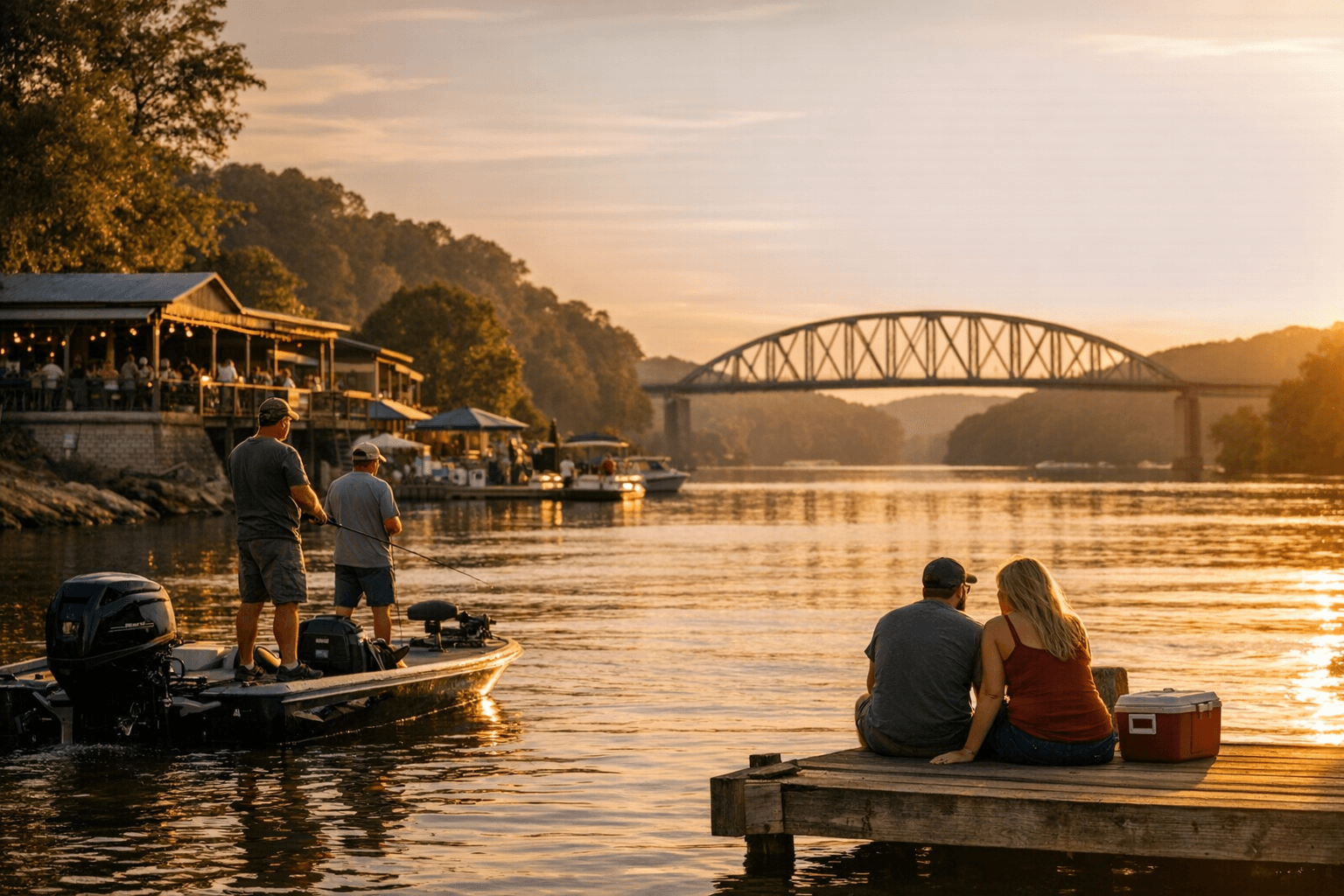
Beech Bend Park and Campground is built for a different kind of visitor, but it plays the same economic role. The site sits five miles east of Parsons and covers 11 acres where the Beech and Tennessee Rivers merge. It is open year-round and includes tent and RV sites, picnic facilities, water and electrical hookups, a dump station, two separate boat launches, fishing access, playground equipment and a basketball court.
That mix makes Beech Bend more than a place to park a camper. It is an overnight base for anglers, boaters and families who want access to the river without giving up basic amenities. The Tennessee River Valley listing adds clean restrooms with showers and a pavilion, plus a note that the park is under construction to increase parking for fishing boats, with a limited number of campsites during construction. That kind of infrastructure work signals that county recreation planning is still being adjusted to boating demand.
The business case is straightforward: the more Decatur County can keep boaters, campers and fishing groups on the river overnight, the more likely they are to buy meals, supplies and fuel in the surrounding communities. Beech Bend’s location at the river confluence gives it a geographic advantage that can translate into steady traffic when fishing and boating seasons peak.
Cypress Pond Refuge broadens the county’s outdoor identity
Not every outdoor asset in Decatur County is built for direct spending, but some still strengthen the county’s visitor profile. Cypress Pond Refuge is listed at approximately 585 acres, with one Chamber listing calling it about 600 acres, and it sits on the banks of the Tennessee River. The refuge includes upland hardwoods, agricultural fields and wetlands, which gives the county a quieter, wildlife-focused counterpart to golf and boating.
This kind of site matters because it widens the county’s outdoor brand. A place that can offer river access, wildlife viewing and open land has a better chance of attracting travelers with different interests, from hunters and birders to families looking for low-cost outdoor time. In a county where tourism is being treated as significant, that diversity helps spread visitor use across more of the year.
Black Wolf Acres and Brownsport Furnace tie tourism to local roots
Decatur County’s tourism pitch also leans on local agriculture and history, not just water and fairways. Black Wolf Acres grows blueberries, blackberries, strawberries, corn, tomatoes, okra, pole beans and sweet peppers, then layers on seasonal attractions such as Maze Daze, a pumpkin patch, a corn maze and paintball. In winter, it adds a Christmas light show. That is agritourism with a strong family-market focus, giving the county another reason for visitors to stop, linger and spend.
Brownsport Furnace adds the historical side of the county’s identity. It is listed on the National Register of Historic Places and described as Tennessee’s first hot-blast furnace. Historical sources place its origins in the 1830s or 1840s, while a historical marker says it was built in 1848 and processed iron until 1876. Another tourism listing says operations began in the 1840s and ended in 1878. The site is also tied to the acreage known as The Coalings, and the county says Parks and Recreation now oversees the furnace stack and some surrounding land.
Just as important, Brownsport Furnace is not sealed off as a museum piece. The Chamber says it is used for Decatur County Saddle Club trail rides and for public outings such as picnics, family gatherings and church events. That keeps the site active, gives it community use and helps tie historic preservation to local recreation rather than treating it as a static roadside marker. The Chamber’s description of Decatur County’s old river-trade and Peavine Railroad economy, followed by the claim that it has “flourished into a sportsman’s paradise,” captures the broader shift the county is trying to sell.
Decatur County’s riverfront strategy is easy to see once the pieces are laid out. Golf, camping, wildlife habitat, farm attractions and historic sites all sit inside the same county story, and each one helps extend the time visitors spend here. For businesses in Parsons, Decaturville and the surrounding river communities, the clearest impact comes from attractions that combine access, amenities and overnight stays, especially Tennessee River Golf Club and Beech Bend Park.
This article was produced by Prism’s automated news system from verified source data, official records, and press releases, then run through automated quality and moderation checks before publishing. The system is built and supervised by the people who set the standards it runs under. Read our full AI policy.
Know something we missed? Have a correction or additional information?
Submit a Tip