Decatur County reviews hazard mitigation plan for flood preparedness
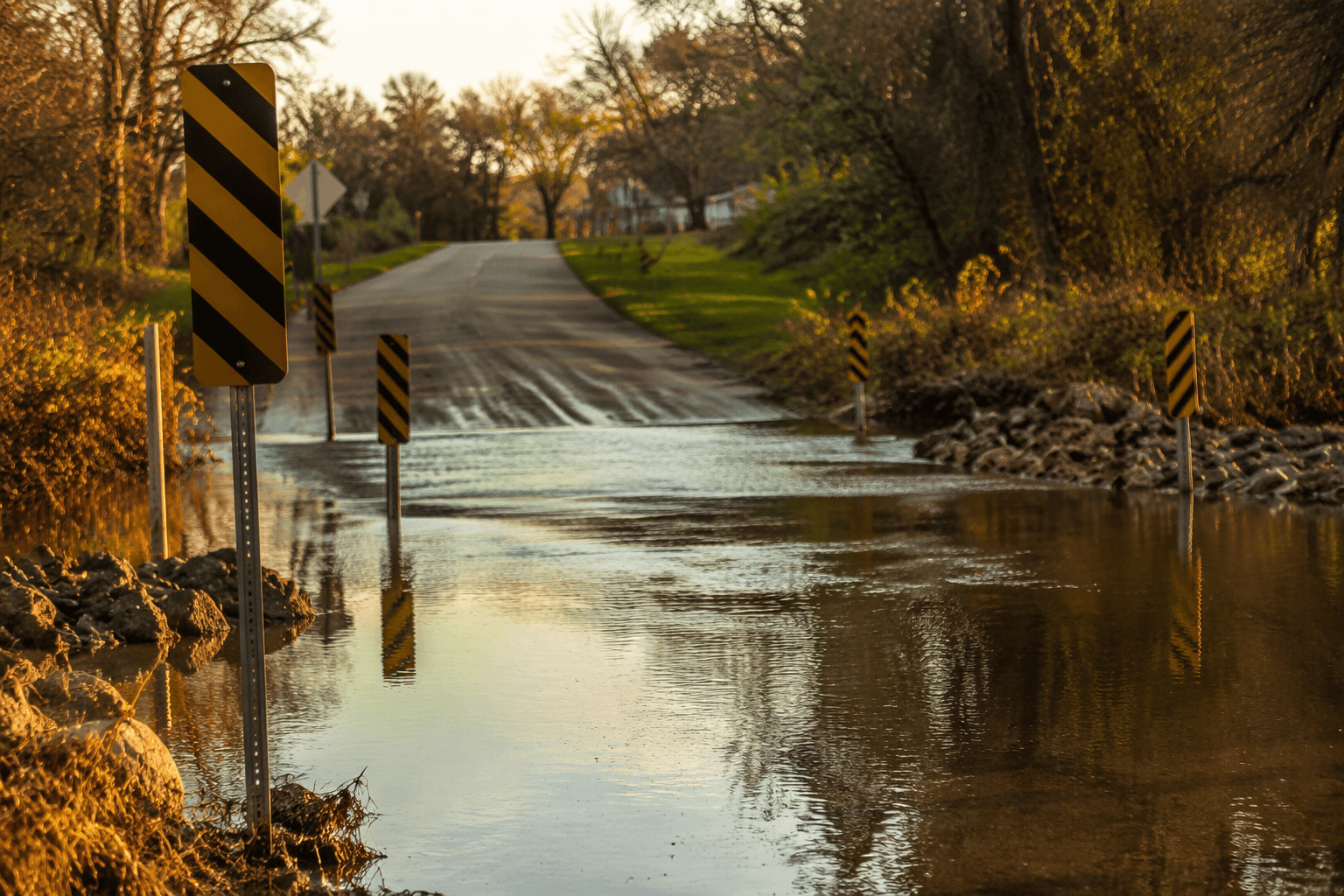
Flood-prone roads and low-lying crossings were the focus as Decatur County officials opened public input on projects like culvert replacements and raised roadbeds.
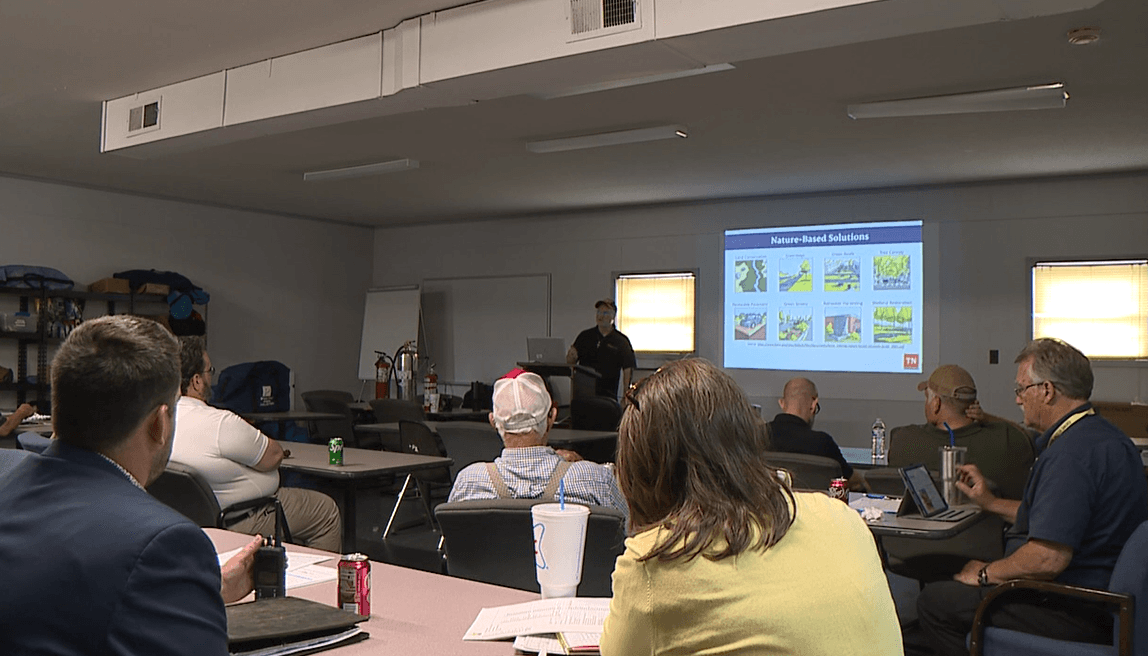
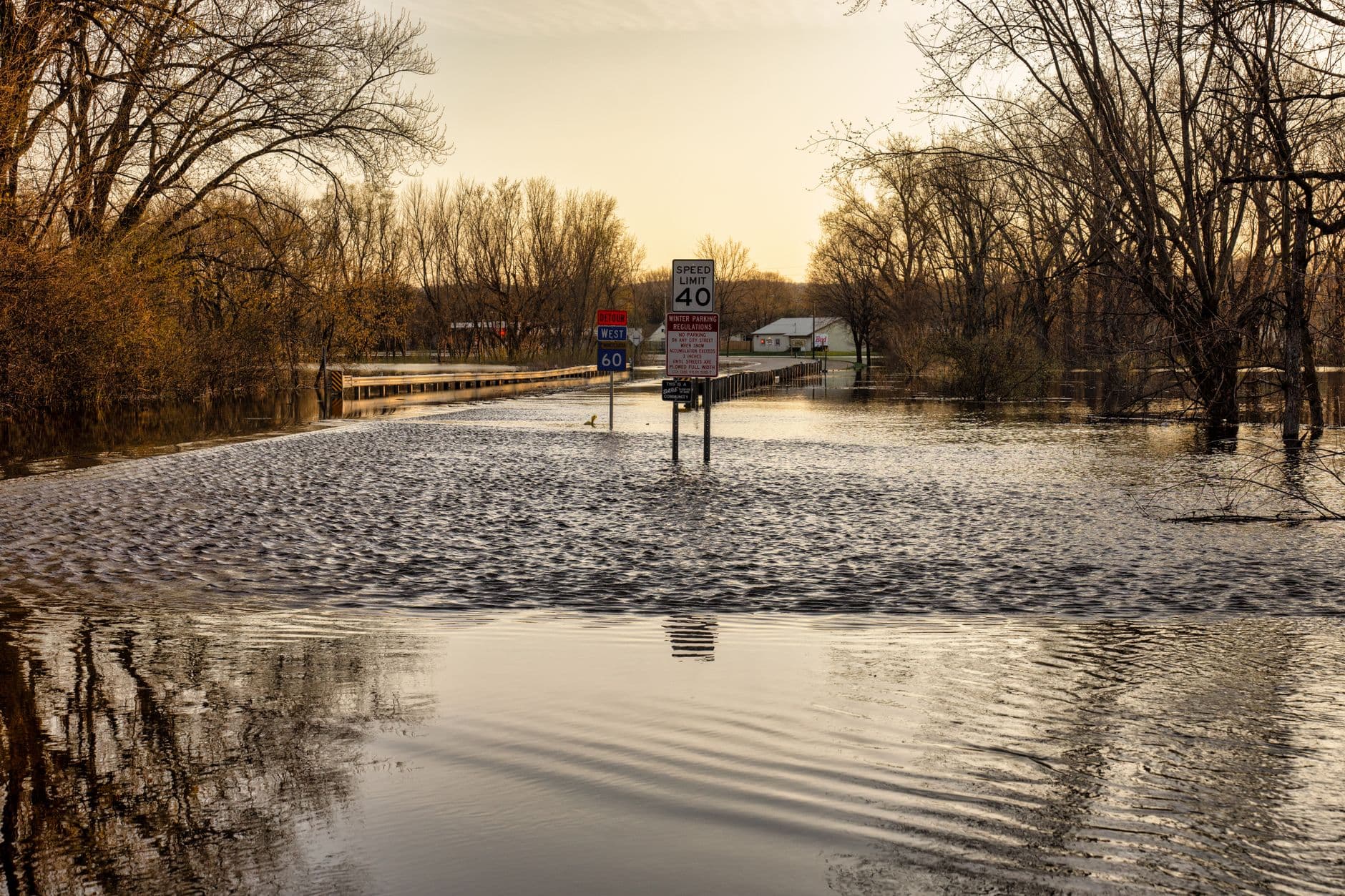
Flooding and road washouts were at the center of Decatur County’s latest look at its hazard mitigation plan, with county leaders weighing projects that could keep rural roads passable and limit storm damage before the next hard rain hits.
Decatur County officials gathered July 16 at 11 a.m. for a public meeting at 427 West Highland to discuss the plan, which is reviewed every five years. Decatur County Emergency Management invited residents to the presentation and discussion as part of an effort to gather input from county departments and city leaders across the county.
Andrew Sparks, the county’s emergency management director, said the plan is meant to identify practical projects that may qualify for funding and make the county more resilient. He pointed to specific fixes such as replacing culverts on roads that flood repeatedly and raising the roadbed in low-lying areas, the kind of infrastructure work that can reduce damage when heavy weather hits the Tennessee River county.
Those projects matter in a county where drainage and access are recurring concerns, especially in rural and small-town areas. Decatur County sits on the banks of the Tennessee River, and the county government describes it as a Tennessee Three-Star Community with communities that include Parsons and Scotts Hill. County government also lists 441 employees, underscoring the number of departments that could be involved in carrying out any mitigation priorities.
The planning process is not just local housekeeping. Tennessee Emergency Management Agency says hazard mitigation planning is supported through guidance, coordination and technical assistance, and that local and county mitigation plans must be reviewed every five years and approved by the Federal Emergency Management Agency to remain eligible for assistance. TEMA also says each region has a planner who can help communities with mitigation planning.
The Tennessee Hazard Mitigation Plan identifies 13 primary hazards of concern for long-term disaster planning. Tennessee’s current state plan received FEMA approval on Oct. 3, 2023, and remains effective until October 2028.
For Decatur County, the review gives officials a chance to align future grant requests and infrastructure work with the places most vulnerable to flooding, storm damage and access problems. The county’s coordination with municipalities such as Parsons and Scotts Hill will shape whether the next plan reflects conditions across the full county, not just one community.
This article was produced by Prism’s automated news system from verified source data, official records, and press releases, then run through automated quality and moderation checks before publishing. The system is built and supervised by the people who set the standards it runs under. Read our full AI policy.
Did this article answer your question?