Cold snap brings freeze warnings, threatens Dolores County crops and plumbing
Freeze warnings hit Dolores County hard, with 24-degree lows and a 17-degree forecast threatening crops, gardens and exposed pipes from Cortez to Dove Creek.
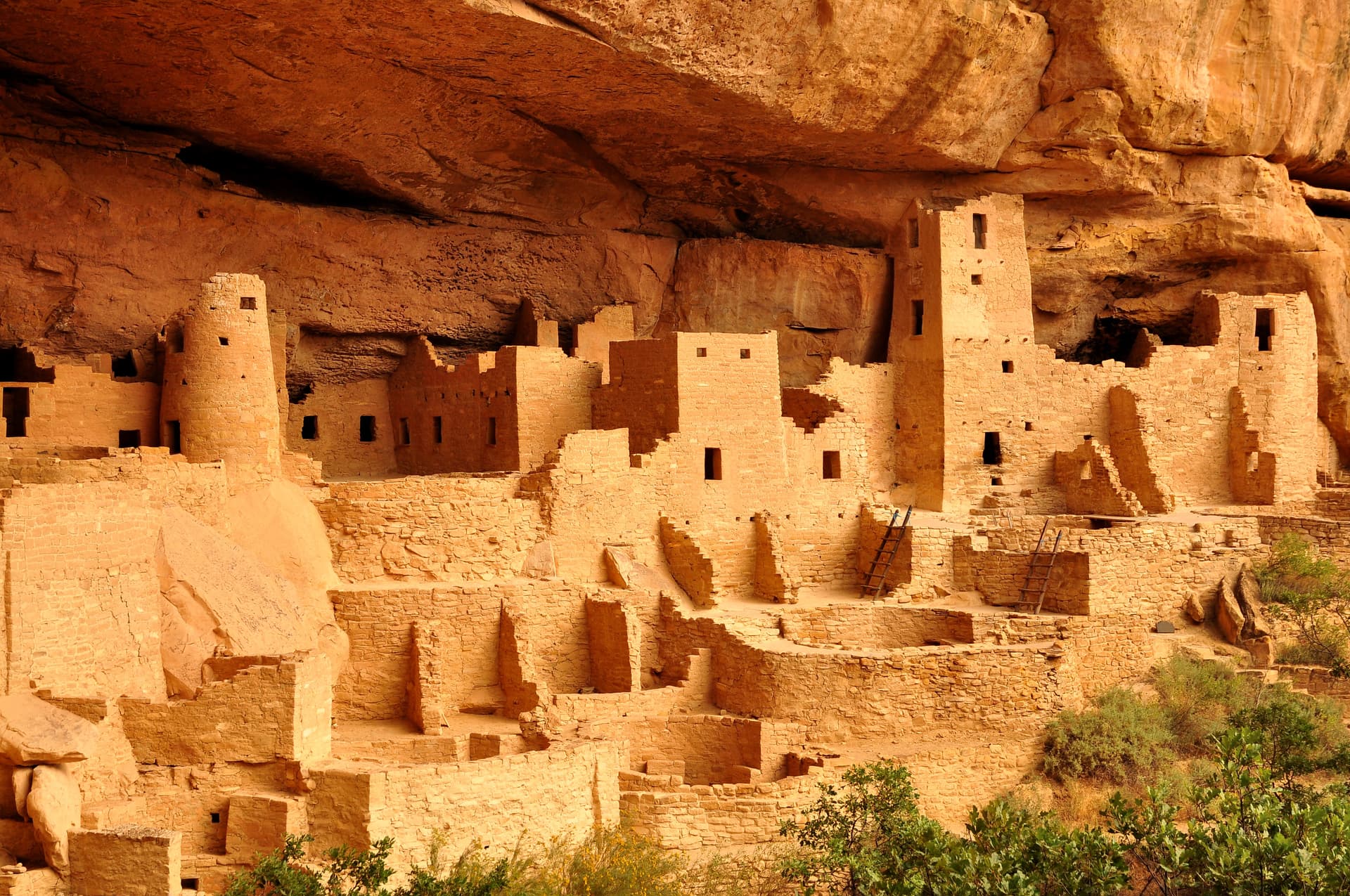
A hard freeze settled over Dolores County and the Upper Dolores River corridor, putting orchards, gardens, early-planted crops and outdoor plumbing at risk as temperatures dropped to near 24 degrees and, later, toward 17 in Cortez. The National Weather Service in Grand Junction kept a Freeze Warning in effect from midnight to 9 a.m. Thursday for the Four Corners and Upper Dolores River area, including Cortez, Dove Creek, Mancos, Towaoc and Mesa Verde National Park, and then extended the threat with a Freeze Watch from Friday evening through Saturday morning.
The warning was more than routine spring cold. The weather service said sub-freezing temperatures as low as 24 degrees were expected during the warning period, with even lower readings possible under the later watch. Its impact statement was blunt: frost and freeze conditions could kill crops, damage sensitive vegetation and harm unprotected outdoor plumbing. Residents still had time to wrap pipes, drain lines or let water drip slowly to reduce the chance of frozen plumbing, and growers could cover tender plants before the next overnight drop.
By 1:53 a.m. MDT on April 18, Cortez-Montezuma County Airport was already reporting 24 degrees with a wind chill of 19 degrees, and the forecast called for an overnight low of 17 degrees. That kind of reading is enough to turn a brief cold snap into a costly one for anyone with blooming fruit trees, garden starts or irrigation lines left exposed in yards and fields across Dolores County.
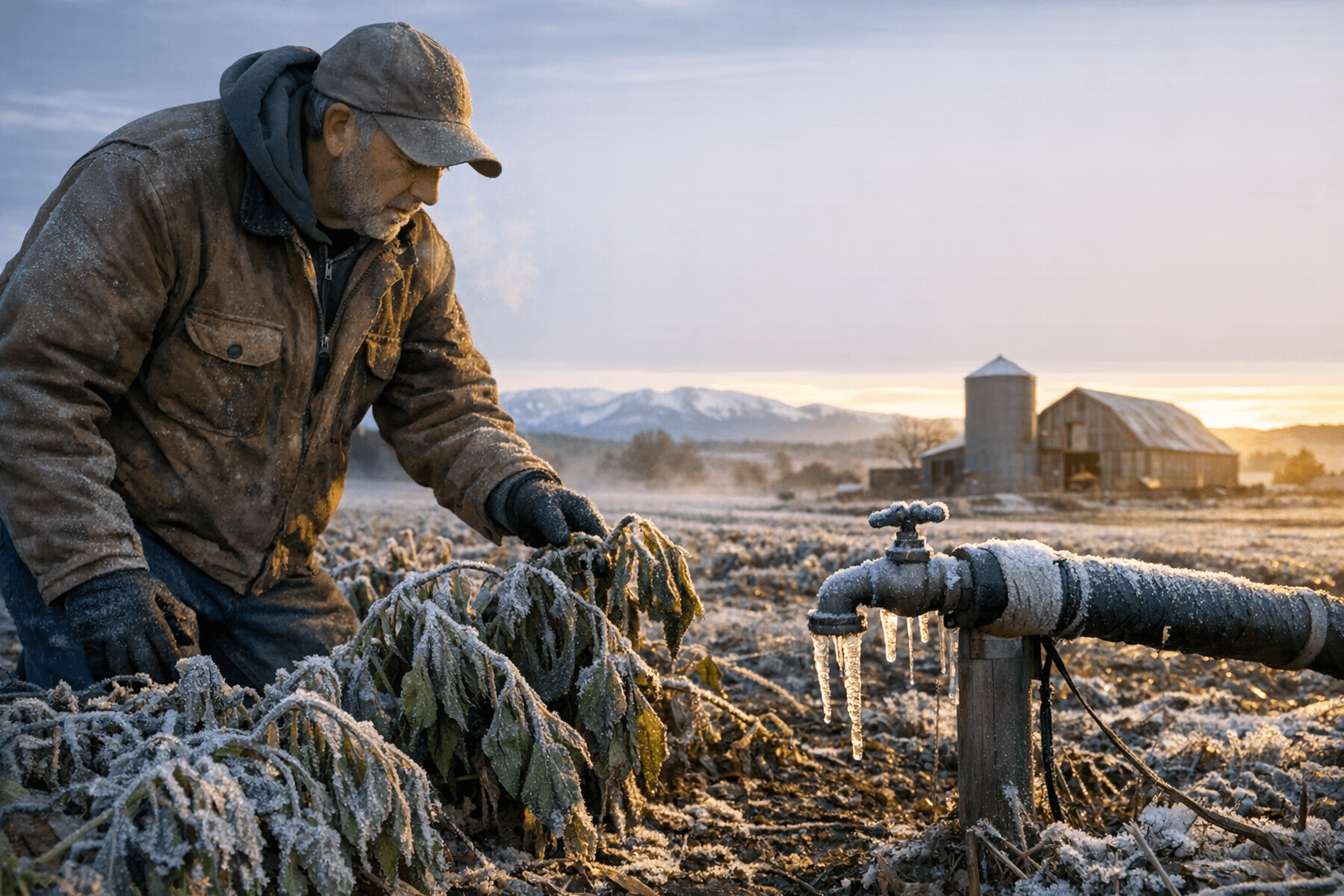
The timing made the freeze more concerning for agriculture because warm, dry conditions had already pushed plants out of dormancy early. On April 1, Montezuma County Farm Service Agency executive director Kacey Riedel said the problem was not that freezing weather was unusual, but that it followed weeks of warmth and dryness. Montezuma Orchard Restoration Project co-director Jude Schuenemeyer said the dry ground had helped drive early bloom, and he noted that the county’s historic orchards may have some resilience because of crop diversity. At that point, the U.S. Drought Monitor had Montezuma County in severe drought, adding another layer of stress for growers watching the thermometer.
The region’s frost season often runs later than people expect. The weather service says Grand Junction’s average last day of freezing temperatures is April 22, and frost dates across western Colorado can vary by as much as six weeks depending on elevation and terrain. A similar April 13-14, 2020 hard freeze brought a 19-degree reading at Grand Junction airport, a new daily record, a reminder that mid-April can still bring damaging cold long after most of the county has started thinking about spring.
This article was produced by Prism’s automated news system from verified source data, official records, and press releases, then run through automated quality and moderation checks before publishing. The system is built and supervised by the people who set the standards it runs under. Read our full AI policy.
Did this article answer your question?