Dolores County birding shines in Dove Creek and Lone Dome wildlife area
Dove Creek’s tree-lined edges and Lone Dome’s Dolores River corridor make Dolores County a compact birding destination for migration, winter sparrows and Black-chinned Hummingbirds.
Dove Creek, the county seat and a statutory town of 717 people in the 2020 census, sits in a landscape the Colorado Birding Trail calls “an oasis of deciduousness in the midst of the sage and agriculture.” From there, work toward Lone Dome State Wildlife Area along the Dolores River.
Dove Creek as the starting point
Dove Creek’s draw is not a marquee overlook or a crowded refuge gate. It is the mix of trees, feeders and agricultural edges around town, which create pockets of habitat in a county better known for open high-desert country. That makes the town a practical base for a morning walk or a slow drive, especially when migration brings passerines through the area and winter fills the edges with finches.
Hummingbird feeders bring in Black-chinned Hummingbirds. In a town that brands itself as the pinto bean capital, the working landscape actually helps the birding: shelterbelts, yards and field margins offer the kind of cover that birds use while moving through southwestern Colorado.
What to watch for through the year
Dove Creek and Lone Dome are useful because the birding changes with the season rather than shutting down after a peak month. In warmer months, feeders and riparian growth can be especially active; during migration, the trees around town can hold moving flocks; in winter, the county’s quieter edges can still produce birds that stay through colder weather.
- Spring and fall: passerines moving through town and the river corridor, plus species tied to riparian cover.
- Summer: Black-chinned Hummingbirds near feeders, along with songbirds that use the greener habitat.
- Winter: finches around Dove Creek and wintering sparrows at Lone Dome.
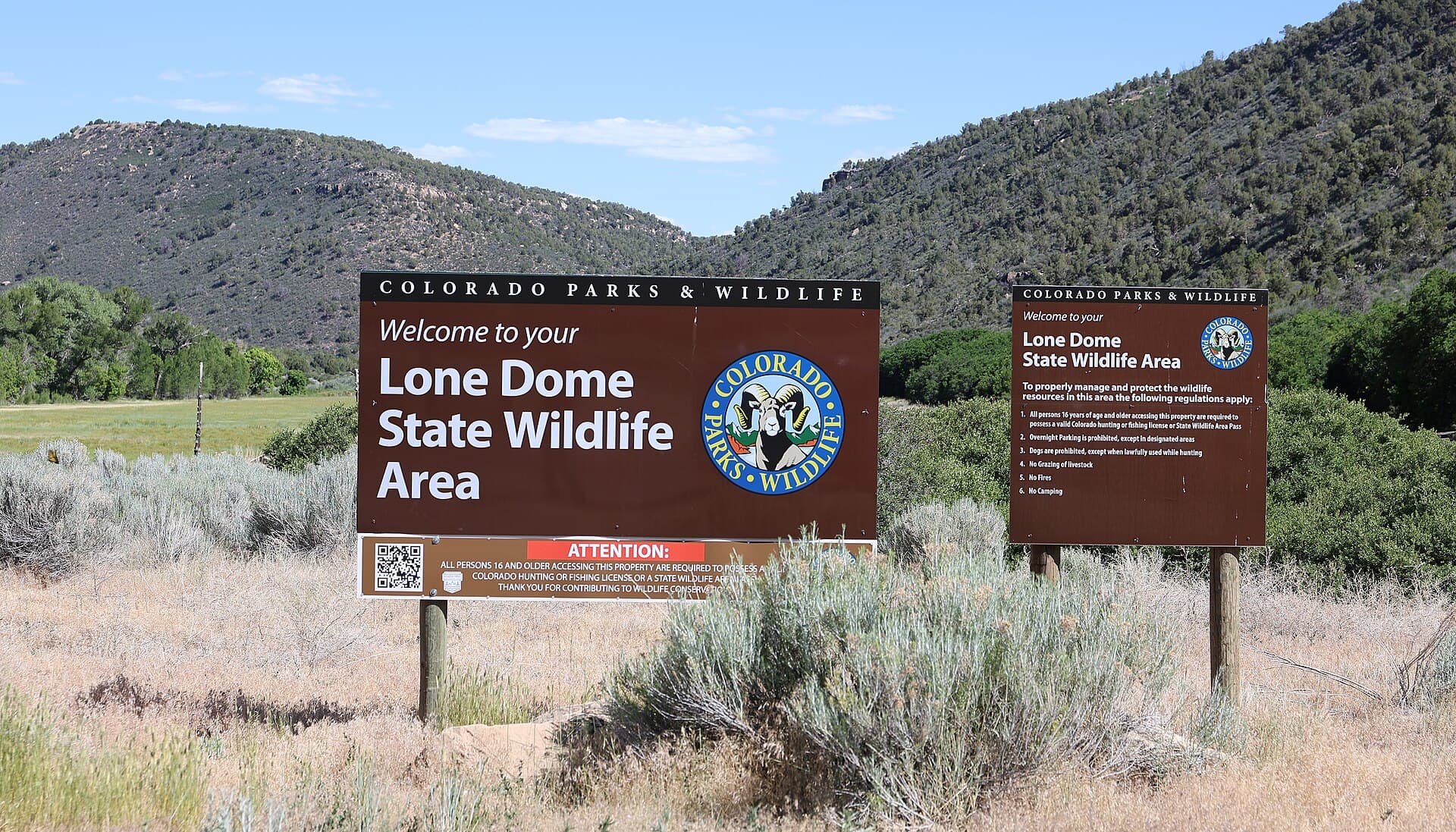
Lone Dome State Wildlife Area and the Dolores River
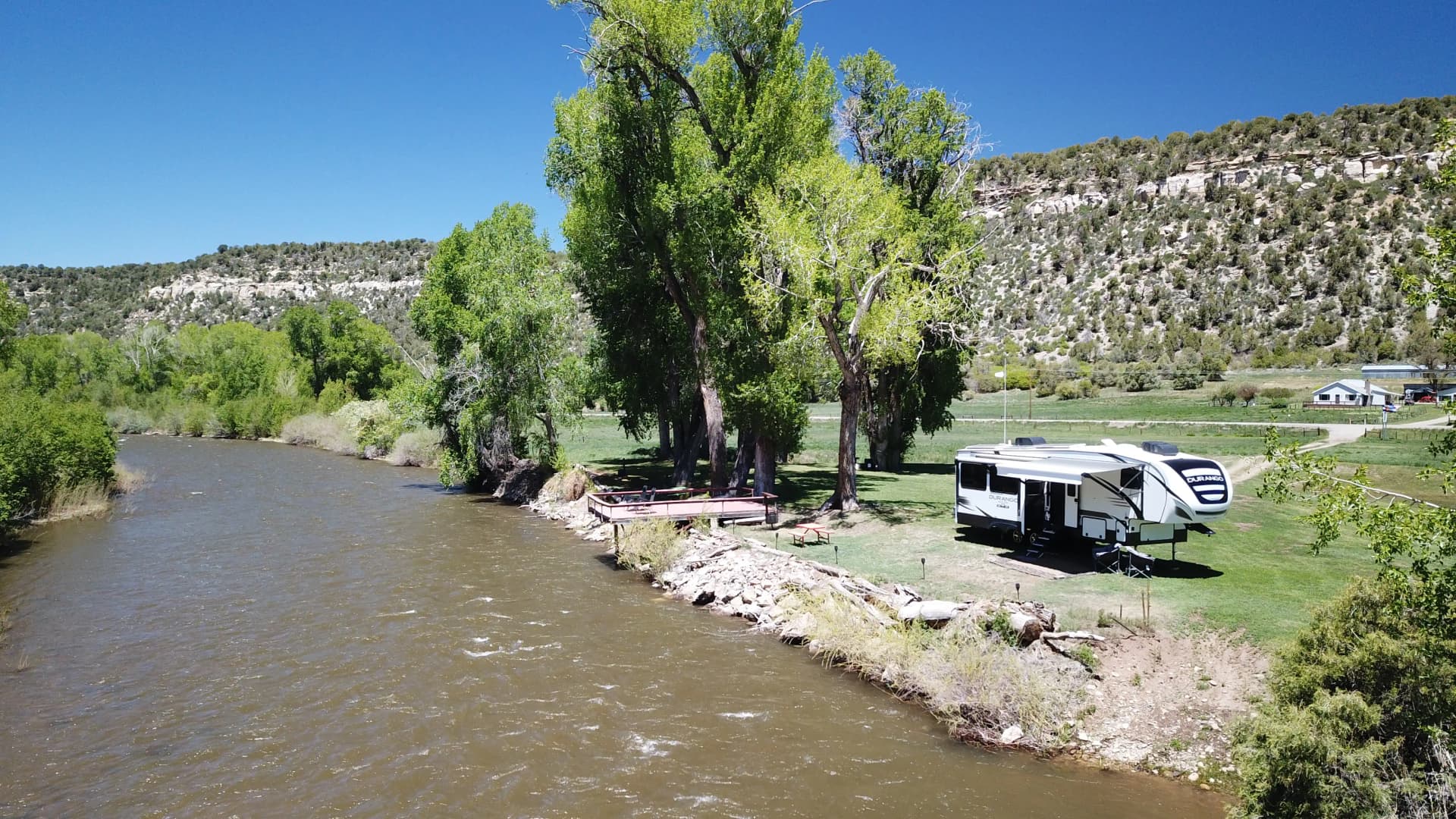
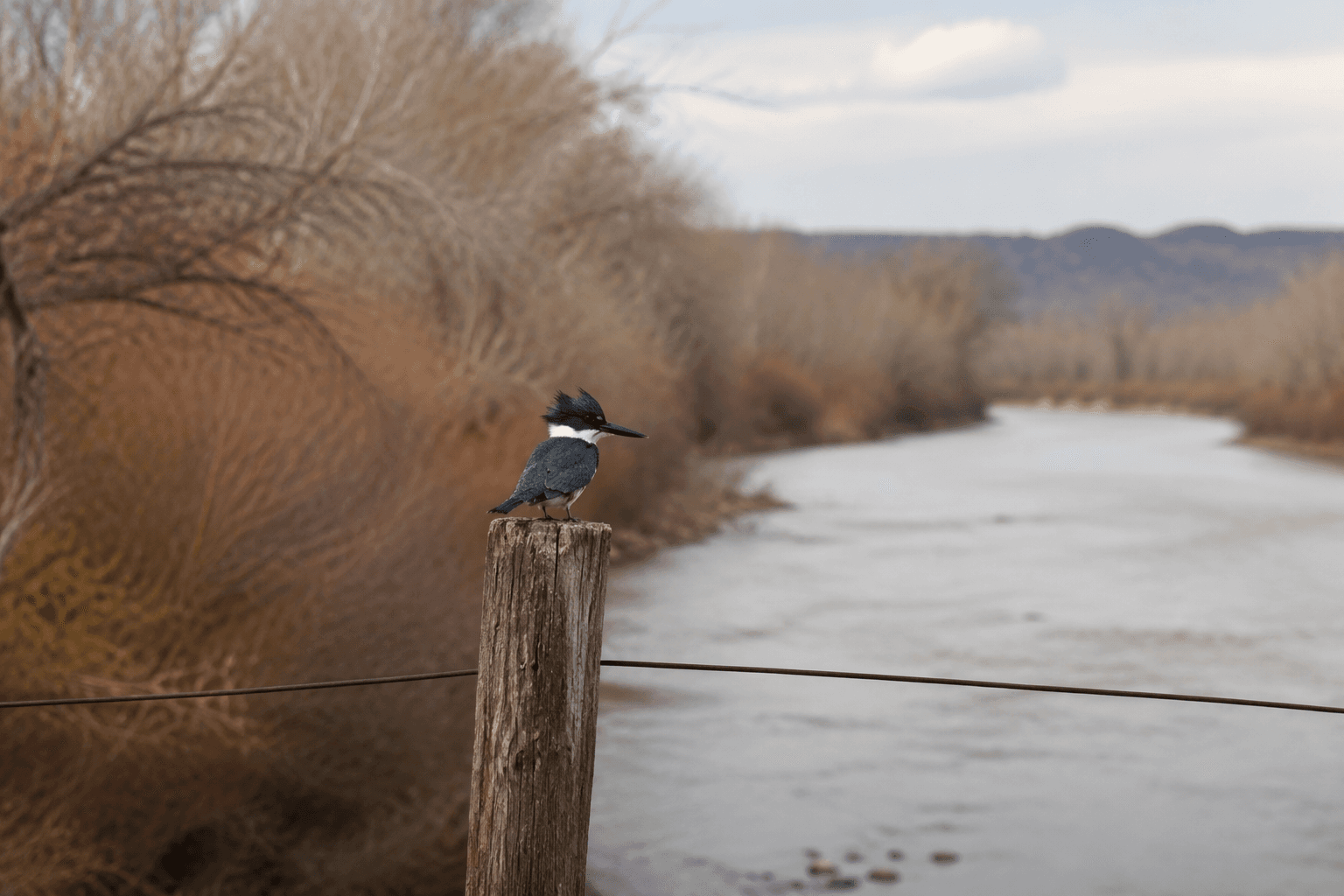
Lone Dome State Wildlife Area adds the river piece that makes this county stand out. The riparian grove along the Dolores River there is one of the best in southwestern Colorado, and the quality improves the farther south you go along the river. In a dry county, a strip of cottonwoods and undergrowth can function like a moving highway for birds.
Western Tanagers, Lazuli Buntings, migrant passerines, Western Screech Owls, Great Horned Owls and wintering sparrows all fit the area. The riparian habitat is unique in Dolores County, and Gray Catbird, Downy Woodpecker, Yellow-breasted Chat, Lazuli Bunting and Yellow Warbler are among the birds associated with the hotspot.
How to use the CPW map and access points
Colorado Parks and Wildlife’s Lone Dome State Wildlife Area map was updated July 12, 2019, and it is worth checking before you go. The map marks parking, a restroom and a campground, and it also includes stretches labeled no public access, so it helps to stick to the designated areas rather than assume every bend in the river is open.
A little preparation keeps the visit simple: park in the right place, stay on the public side of the boundary, and move slowly enough to hear movement in the reeds and trees before you see the bird itself.
Why this corridor matters in a small county
Dolores County had 2,326 residents in the 2020 census, and a 2025 population estimate puts the total at about 2,500. About half the county is government-owned forestland, which means the public-land backdrop is a major part of daily life here. It is one of the few places where dense cover, water and food sources come together in a county that is otherwise broad, dry and open.
Lone Dome also ties into a larger habitat-restoration effort. Colorado Parks and Wildlife was working on a wetlands rehabilitation project there in 2020, aimed at restoring an existing wetland complex in southwest Colorado. Wetlands make up less than 2% of Colorado’s landscape yet provide critical habitat for nearly all wildlife species, especially waterfowl and other waterbirds.
Dove Creek gives you a town-edge place to look for birds without leaving the county seat, and Lone Dome gives you a river corridor where the list changes with the season.
This article was produced by Prism’s automated news system from verified source data, official records, and press releases, then run through automated quality and moderation checks before publishing. The system is built and supervised by the people who set the standards it runs under. Read our full AI policy.
Did this article answer your question?