Rico Center grew from 2003 Dolores County mill levy increase
A 2003 Dolores County mill levy paid for the Rico Center, and the building still anchors meetings, grants and community life in a town 27 miles south of Telluride.
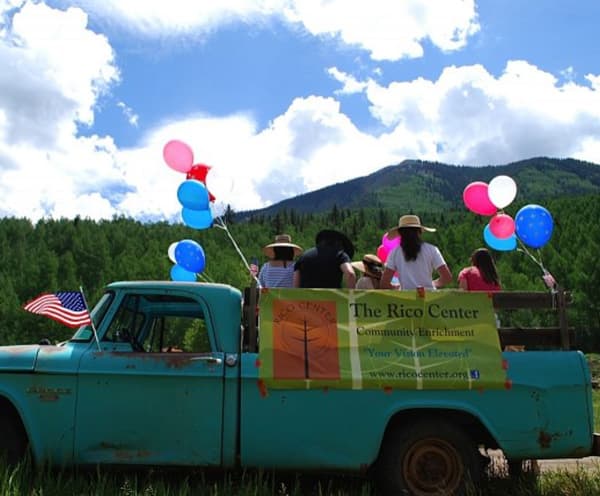
The Rico Center still gives Rico a permanent place to gather, award grants and hold civic events because Dolores County voters approved a mill levy increase in 2003. The center’s own history page says it was created by that vote, tying the building directly to local public decision-making rather than to private development or outside philanthropy.
That matters in Rico, an active mountain town at 8,825 feet that sits about 27 miles south of Telluride on CO-145, just off the Dolores River. In a place this small and remote, a community building is not a symbolic amenity. It is where residents can meet, organize and keep civic life in one place instead of scattering it across businesses that may change hands or close.
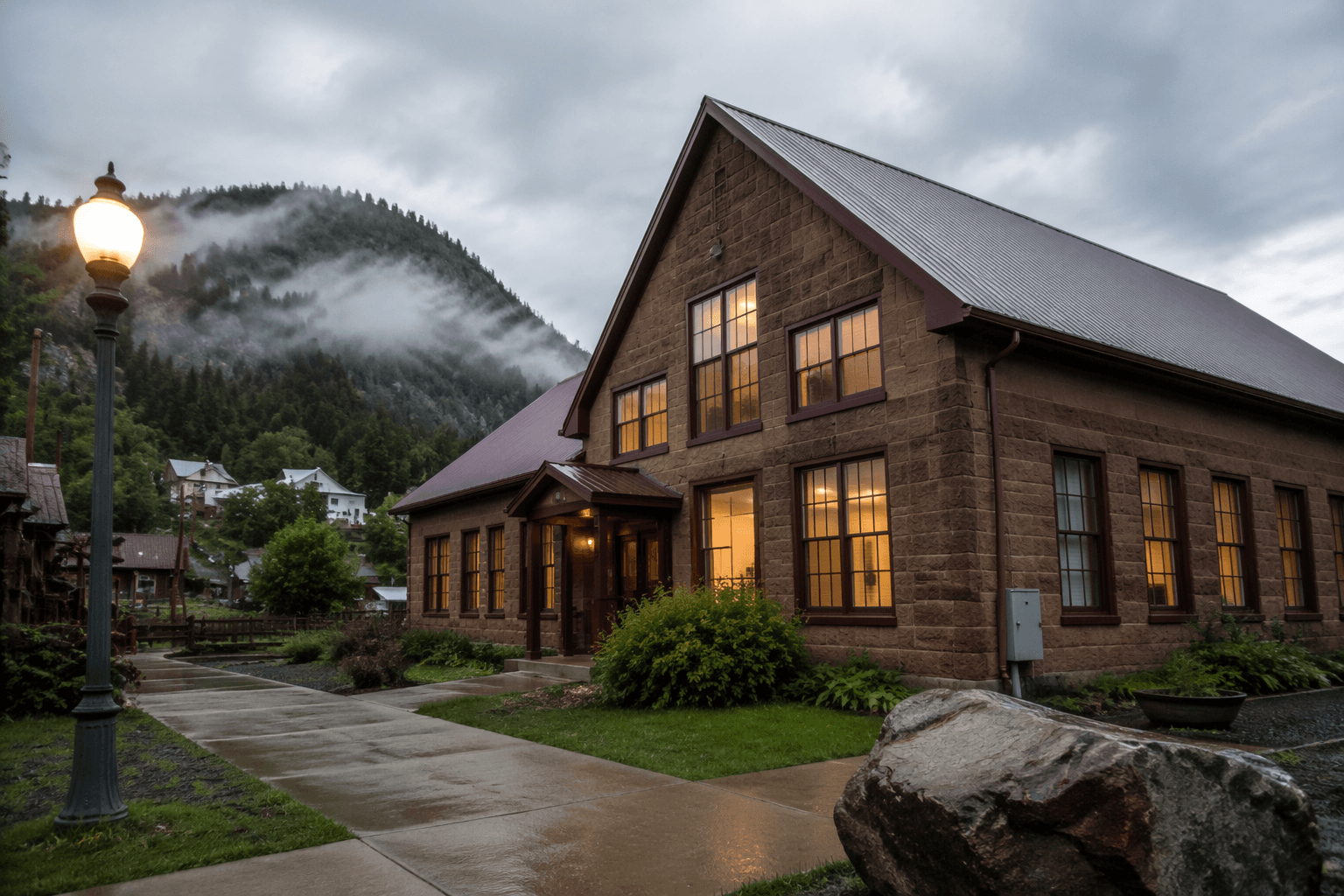
Dolores County’s own About Us page adds more context for why a locally funded center fits the area’s politics. The county says residents rated “freedom” highly in a survey, while growth had become a major issue and the Town and County had recently reorganized their Planning Commissions to deal with it. That combination of strong independence and pressure from growth helps explain why a county-backed levy could win support for a shared civic space in the first place.
Rico itself has changed, too. Four Corners Free Press described the former mining-town economy as now defined by recreation, tourism and residential growth. Western Mining History still identifies Rico as an active town, but the shift in what sustains the community makes a building like the Rico Center more important, not less. It gives the town a fixed place for civic life as the surrounding economy and population continue to evolve.
The center’s role is not limited to history. In 2023, orecart.info reported that The Rico Center hosted a reception for recipients of its grant cycle awards, showing that the building still operates as an active hub for local support. That use is exactly the kind of lasting infrastructure the 2003 levy was meant to create: a public asset that keeps serving the town long after the vote itself faded from memory.
Rico’s experience also fits a broader pattern in the county. The Journal reported that a separate 3-mill increase for Rico Elementary School passed by a 448-340 vote, another example of Dolores County residents choosing to tax themselves to preserve institutions they value. In a county where distance, winter conditions and growth pressures can all strain daily life, the Rico Center stands as a visible result of that habit of self-reliance.
This article was produced by Prism’s automated news system from verified source data, official records, and press releases, then run through automated quality and moderation checks before publishing. The system is built and supervised by the people who set the standards it runs under. Read our full AI policy.
Did this article answer your question?