Hovenweep National Monument marks 102 years of history and dark skies
Hovenweep links Dolores County to Ancestral Puebloan history, borderland heritage, and some of the darkest night skies in the Four Corners.
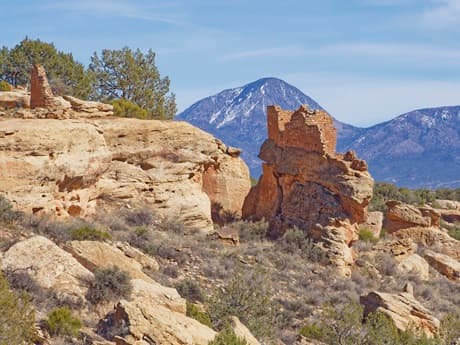
Hovenweep National Monument marks 102 years of protection for five prehistoric Ancestral Puebloan canyon-head villages spread along a 16-mile stretch west of Cortez, where the Utah-Colorado border cuts through the landscape. The monument’s stone towers and ruins were built roughly 800 years ago, but its place in Dolores County still feels current because it sits at the crossroads of archaeology, tourism and local identity.
The National Park Service established Hovenweep National Monument on March 2, 1923, setting aside a site that remains one of the region’s most recognizable links to the Ancestral Puebloan past. That designation tied the monument to the broader cultural geography of the Four Corners, where residents, educators and travelers move between present-day county life and a landscape shaped by older communities that built in the canyons and mesas.
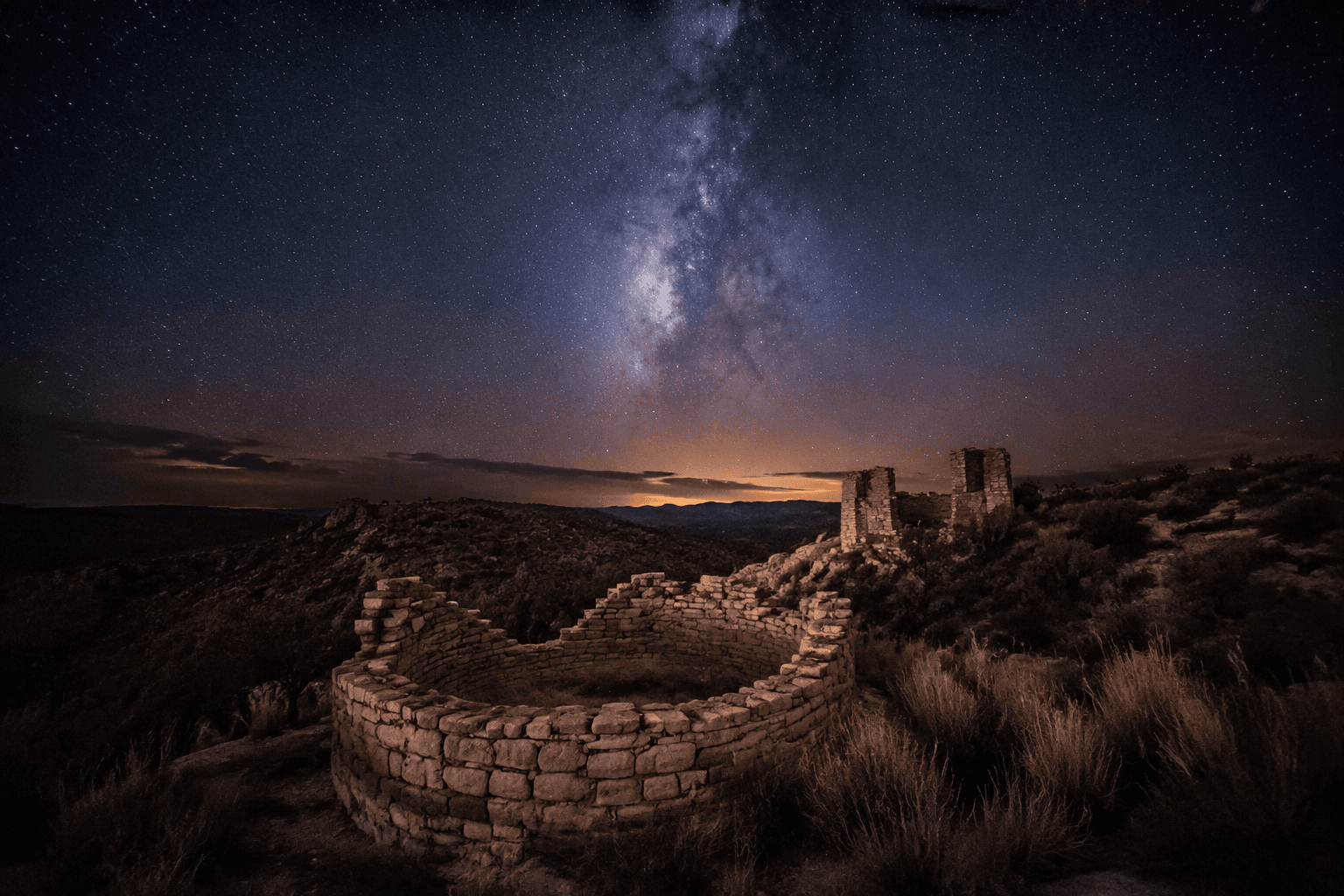
Hovenweep’s geography matters as much as its age. The monument does not sit inside a museum wall or a city park; it spans a remote borderland west of Cortez, with structures perched above dry canyons in a stretch of country that still defines how many people understand Dolores County itself. The ruins are not just relics to look at from a distance. They are part of a living local story about place, preservation and what the county chooses to protect and present to visitors.
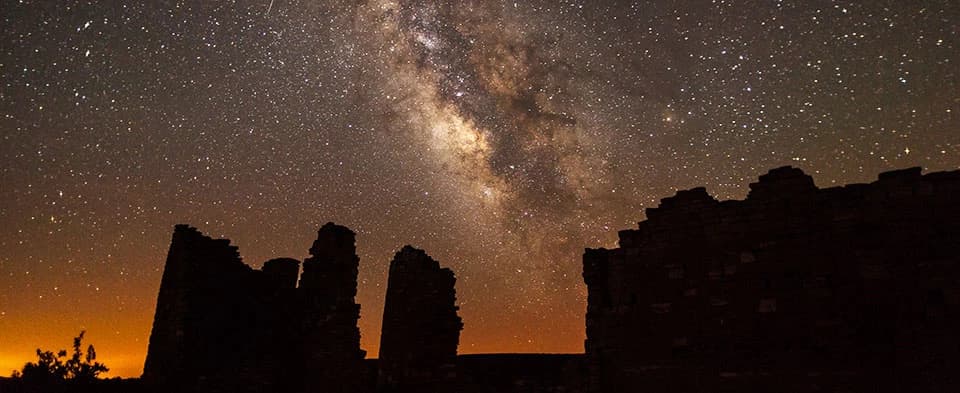
That story widened in 2014, when the Park Service recognized Hovenweep as an International Dark Sky Park. The designation made the monument more than an archaeological site. It also marked the night sky as part of the resource, preserving natural darkness as something visitors come to experience and the monument works to keep intact.
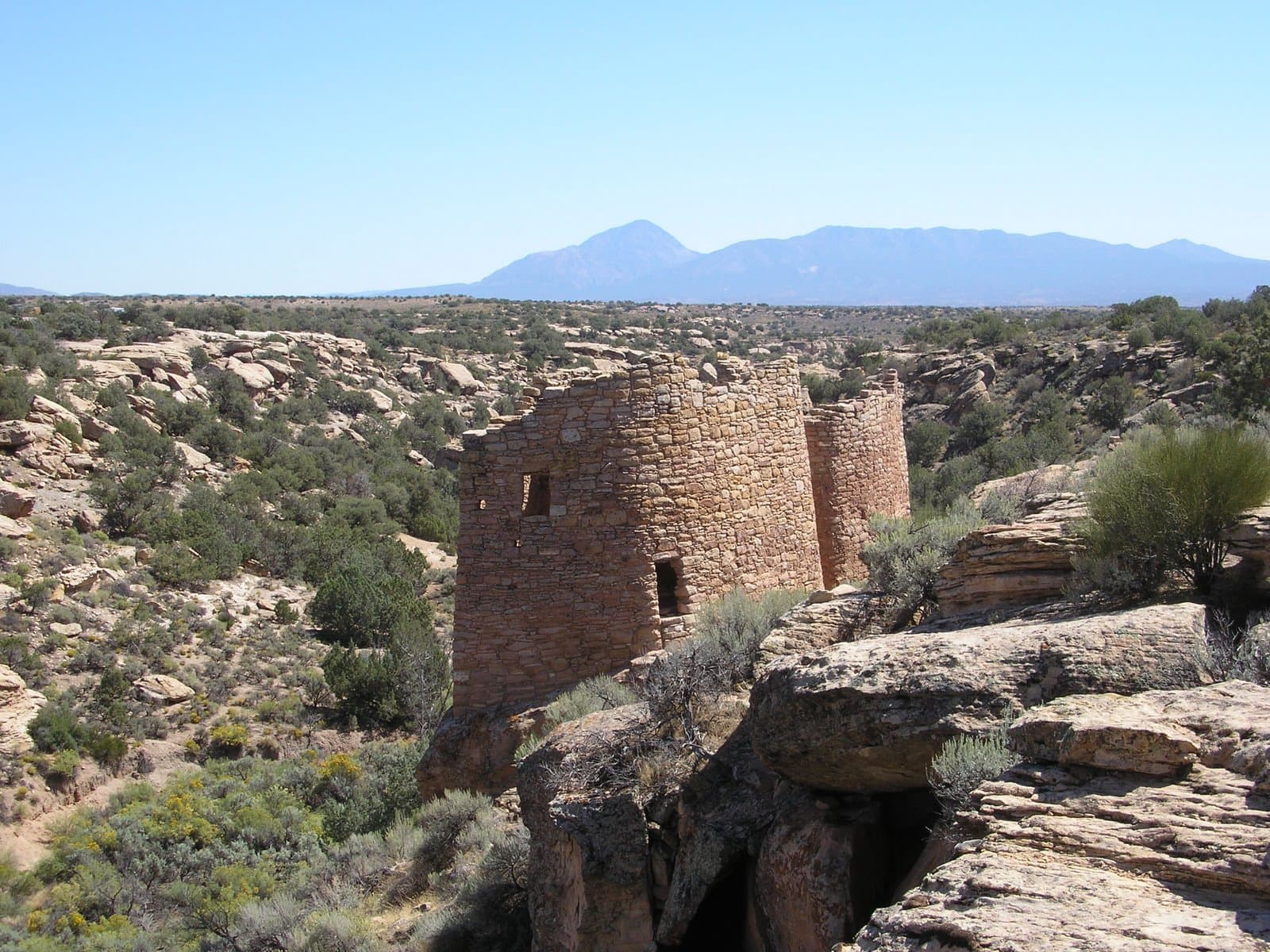
Taken together, the ancient masonry and the protected darkness explain why Hovenweep still carries weight in Dolores County. By day, it is one of the clearest reminders of Ancestral Puebloan engineering in the region. After sunset, it becomes one of the area’s most valued places for stargazing, linking heritage tourism to the quiet landscape that surrounds it. That combination gives the monument a rare role in county life: a historic site, a draw for travelers and a source of local pride rooted in the land itself.
This article was produced by Prism’s automated news system from verified source data, official records, and press releases, then run through automated quality and moderation checks before publishing. The system is built and supervised by the people who set the standards it runs under. Read our full AI policy.
Did this article answer your question?