Dolores County Extension offers local help for gardens, livestock and more
From soil tests to 4-H and drought help, Dolores County Extension gives Dove Creek-area residents local answers without leaving the county.
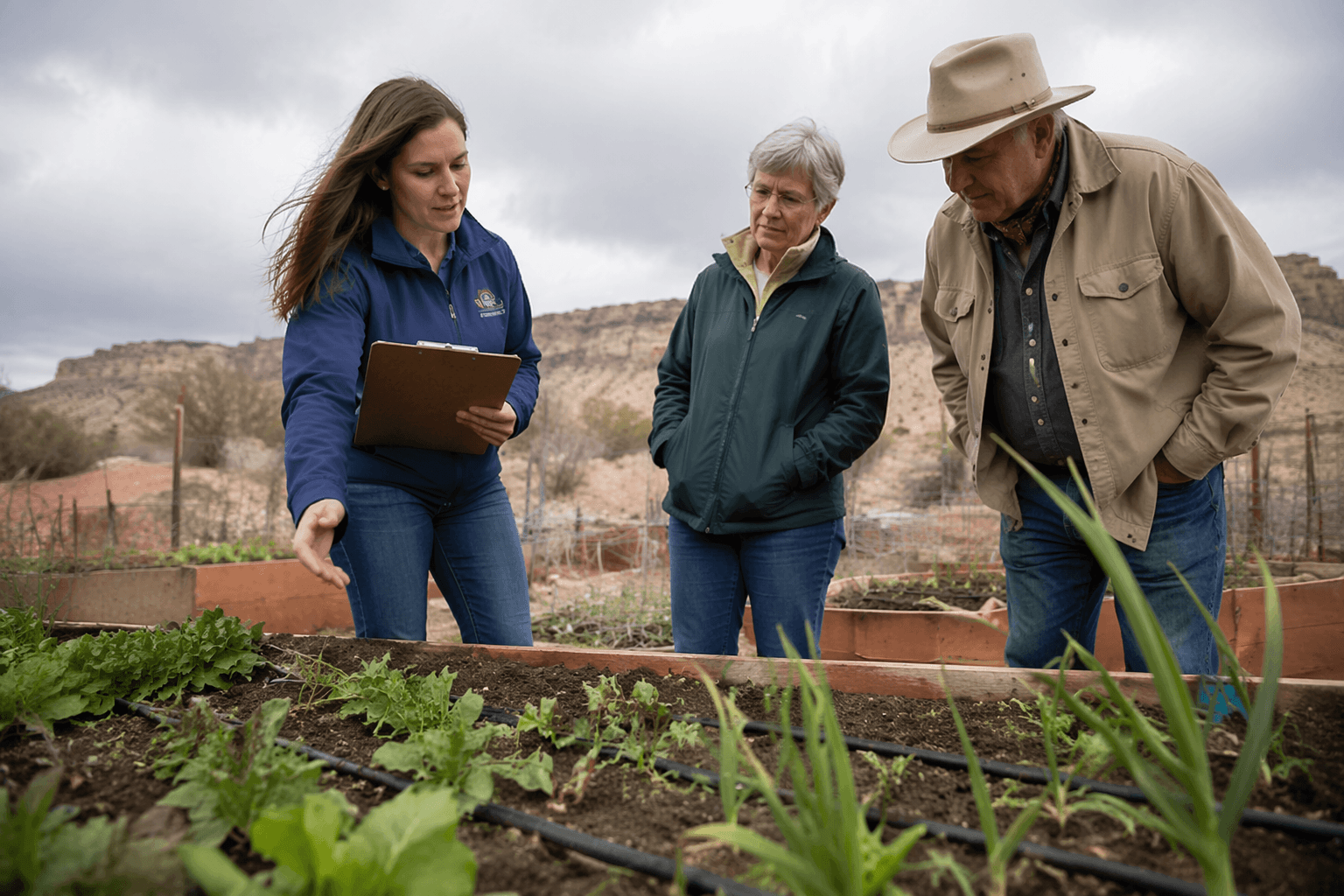
If your pasture needs a soil test, your garden has a mystery insect, or your kid wants a hands-on project without leaving Dolores County, the local Extension office is the first stop. The office at 409 N. Main Street in Dove Creek keeps weekday hours and recommends appointments because staff are not always in the office, a small detail that matters when one county office has to cover a lot of ground.
Why this office matters in a county this spread out
Dolores County covers 1,067.2 square miles of land and had 2,326 people in the 2020 Census, with the U.S. Census Bureau estimating 2,466 residents as of July 1, 2025. The county also has 1,254 households, a median household income of $64,907 and 81.3% owner-occupied housing, which helps explain why so many people handle their own land, yards and outbuildings rather than relying on a nearby specialist. When a county is that large and that rural, a locally based Extension office saves time, mileage and a lot of trial-and-error.
The geography makes the case even more clearly. Dolores County says its landscape runs from 5,900 feet in Disappointment Valley to 14,046 feet on Mount Wilson, with about 700 residents inside Dove Creek, about 880 outside town limits and about 300 in the Rico and Dunton area. That mix of mesas, valleys and mountain ground means advice that works in one corner of the county may fail in another, which is exactly where a local Extension office earns its keep.
What the office can help solve
Dolores County Extension is not just a place for forms or flyers. Its program areas cover 4-H youth development, agriculture, garden and landscape, family and consumer sciences, natural resources, health and well-being, emergency planning and community economic development. That range turns the office into a practical county service for the kinds of questions people actually face: what to plant, what to feed livestock, how to preserve food safely, how to prepare for wildfire or flood, and where young people can build skills without leaving home.
The county office also points people toward programs that fit local conditions. Colorado Master Gardener, Native Plant Master and Landscape for Life give home gardeners and landowners research-based help for planting and care, while Ask Extension connects residents to one-to-one expert answers when a problem is too specific for a quick handout. For a county with sharp differences in elevation and rainfall, that kind of targeted guidance can be the difference between a season that works and one that does not.
Testing, samples and expert diagnosis
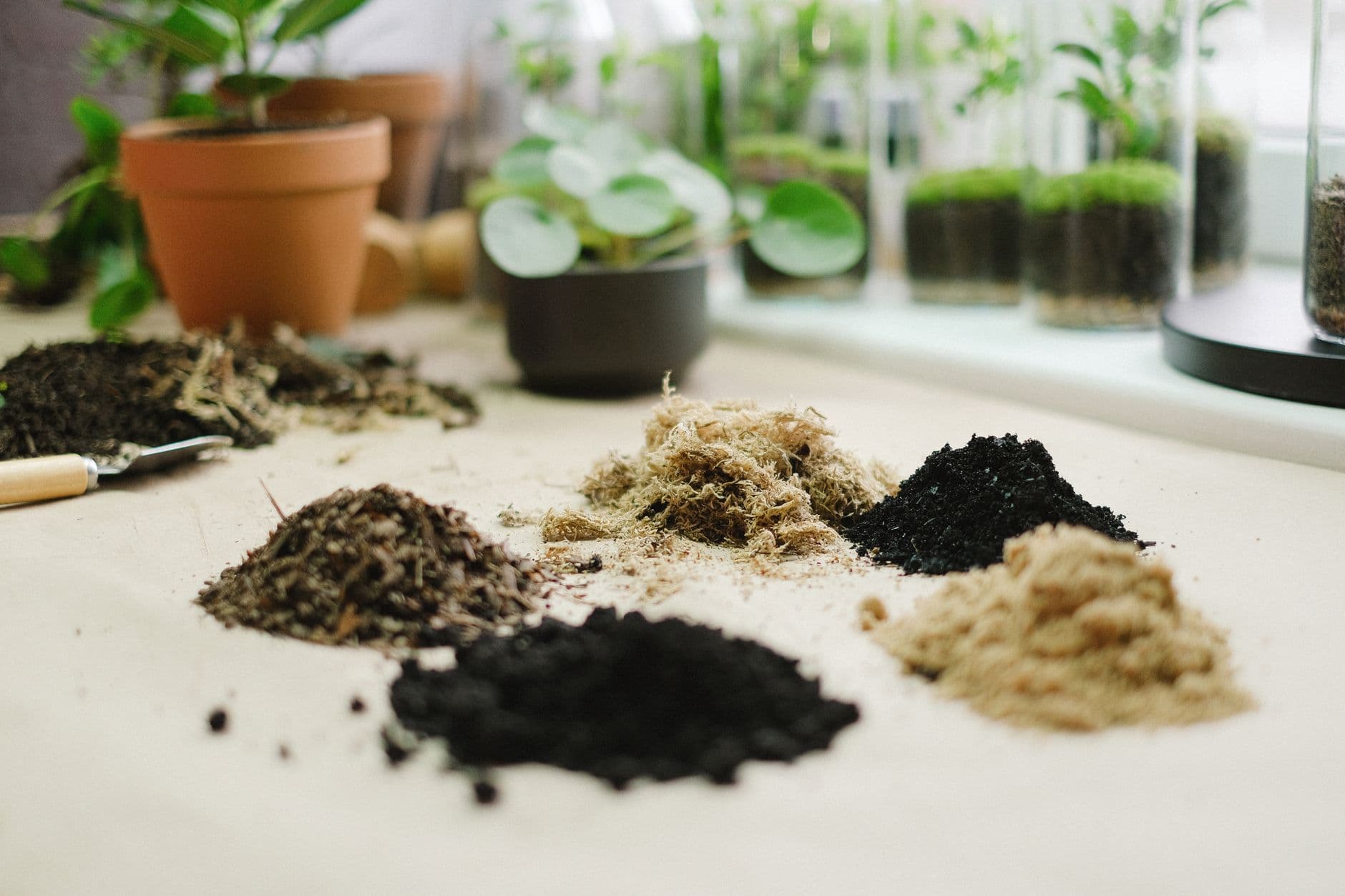
A lot of the value comes down to one simple thing: getting a real answer before spending money. Dolores County Extension offers free testing kits and supplies for water testing, soil testing and feed analysis, including sample containers, clear instructions and a soil probe if needed. Residents pay the shipping and laboratory fees, but the office supplies the tools that get the sample ready correctly the first time.

Those samples can go to the CSU Soil-Water-Plant Laboratory, which analyzes soil, water, plant, manure and other samples and returns suggestions for improving soil health and crop growth. That matters for a hay field, a stock tank, a garden bed or a questionable plant problem because a lab result can settle what guesswork cannot. The county page also notes help with hay and insect or plant identification, giving residents a local place to start before buying a product, treating a field or hauling material out of county for a second opinion.
4-H, family programs and the next generation
For families, the office’s 4-H work is one of its most visible services. Dolores County 4-H ties local youth into Colorado 4-H’s statewide network of more than 10,000 volunteers and more than 100,000 youth, which means a kid in Dove Creek or Rico is not isolated from the bigger system of competitions, training and leadership opportunities. Local projects include livestock, horse, heritage, cooking, metalworking and woodworking, so the program reaches from barns and fairgrounds to kitchens and shop benches.
The calendar shows that this is not a dead-end program tucked in a brochure. Dolores County Extension lists recurring 4-H monthly meetings in 2026 at the Dolores County Courthouse, along with cottage food online safety training sessions and a Colorado State Fair entry period. That mix shows how the office connects county life to the seasonal rhythm of youth projects, food safety and fair season.
Preparedness, drought and local staff
The office also has a role before a crisis hits. CSU Extension’s emergency-planning work focuses on helping Coloradans prepare for, respond to and recover from disasters such as wildfire and flood, while the drought program is aimed at building short- and long-term resilience for Colorado producers. In a county where agriculture and rural property are central, that gives residents a place to ask about planning before the smoke, runoff or dry spell arrives.
The people behind the office are local too. Gus Westerman serves as county director, Oma Fleming is the administrative assistant and Nolan Hankins is the office assistant, with support from an advisory committee. That matters because this is not a distant call center: it is a county office staffed by people who know the difference between Dove Creek ground and the higher, rougher country around Rico, Dunton, Disappointment Valley and Mount Wilson.
For residents trying to keep a garden alive, manage a herd, guide a teenager into 4-H or sort out a water sample, the answer does not have to come from outside the county. Dolores County Extension turns statewide research into local help, and in a place this spread out, that saves both money and miles.
This article was produced by Prism’s automated news system from verified source data, official records, and press releases, then run through automated quality and moderation checks before publishing. The system is built and supervised by the people who set the standards it runs under. Read our full AI policy.
Did this article answer your question?