Dolores Water Board Splits Scarce Supply Amid Record Warm March
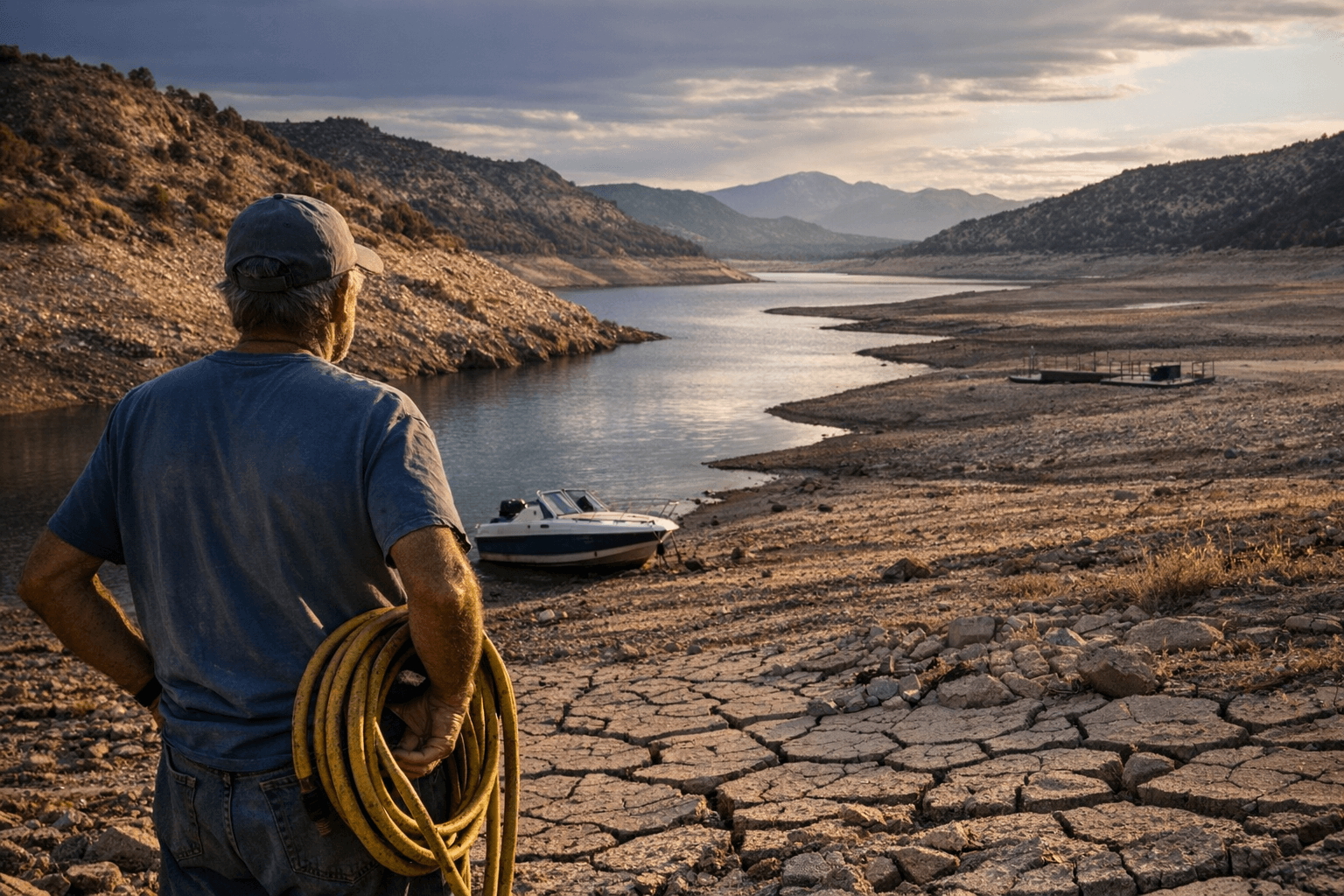
The warmest March in 132 years left Dolores County's full-service irrigators facing roughly 3 inches of water in a year that typically delivers 22, after a deadlocked board vote.
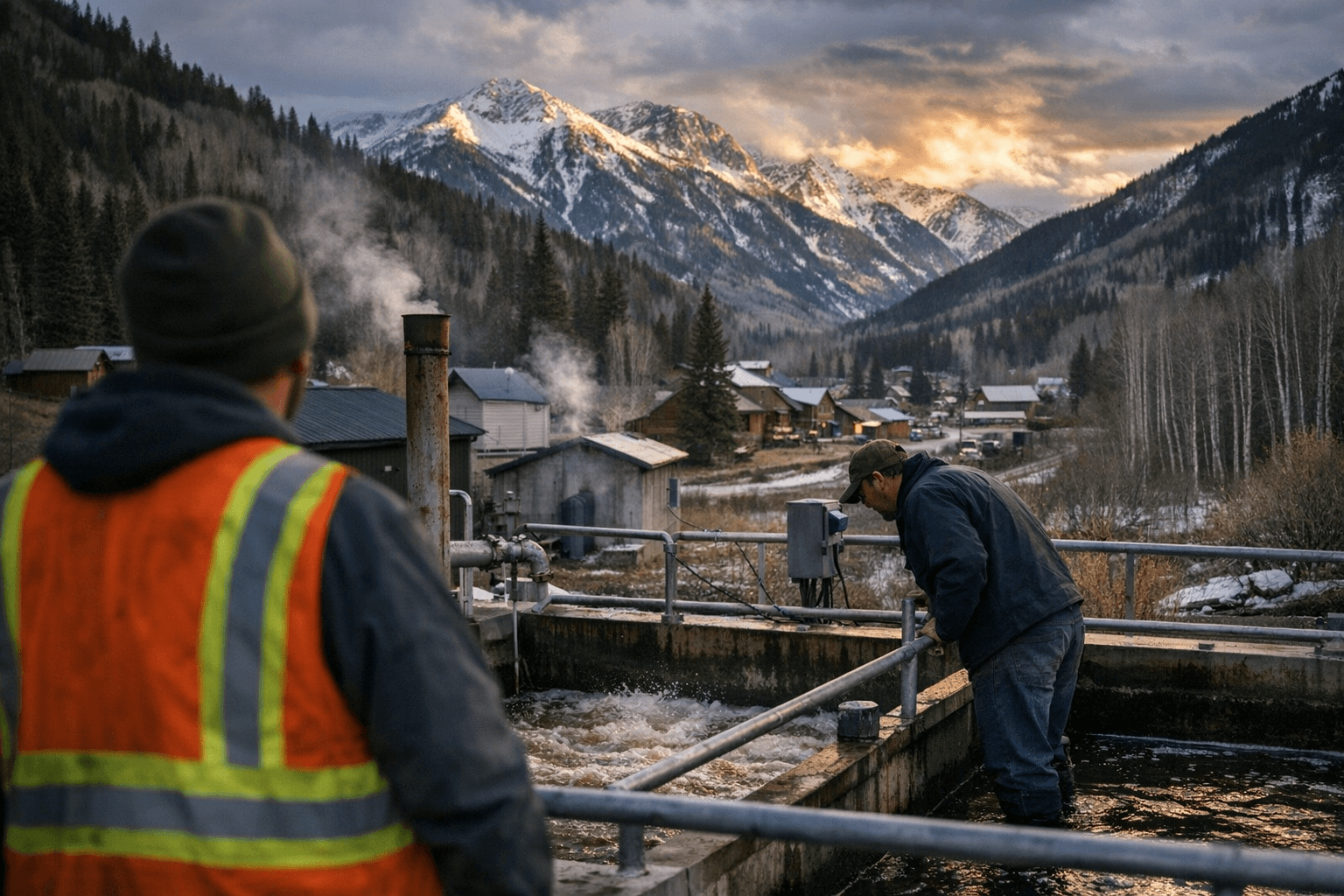
The warmest March in 132 years of local record-keeping has left Dolores County irrigators staring at a season that may deliver roughly 3 inches of water against a normal expectation of 22. The Dolores Water Conservancy District board confronted that arithmetic directly on April 10, voting after an initial deadlock to split the available municipal and industrial water supply between two competing agricultural users: the Ute Mountain Ute Tribe's Farm and Ranch Enterprises and the full-service farms served by the district's northern delivery points at Yellow Jacket, Pleasant View, Cahone and the corridor toward Dove Creek.
The compromise awarded approximately 385 acre-feet to the Ute Farm and Ranch and 385 acre-feet to the northern irrigators, an even split of a supply that in a normal year would stretch considerably further.
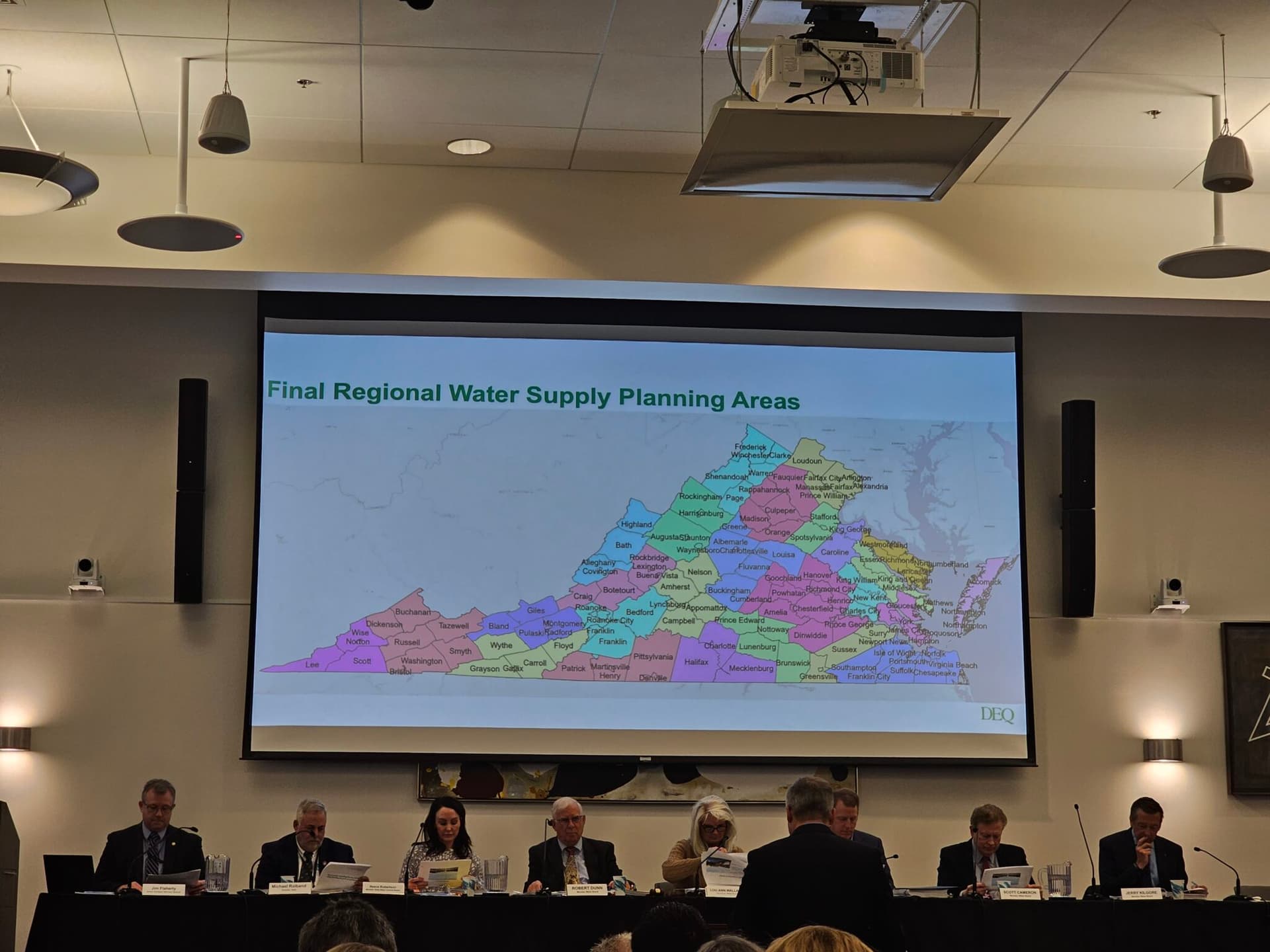
The board's path to that decision was not straightforward. An initial vote deadlocked before members voted again to reach the compromise, a procedural breakdown that signals genuine stakeholder tension rather than a routine technical allocation. DWCD water resources manager Eric Sprague presented a drought outlook map showing widespread dryness across Colorado as the board worked through delivery scenarios on a whiteboard, with staff updating modeled allocations in real time during the meeting itself.
General Manager Ken Curtis described the early figures as "a moving target," making clear the numbers approved are built on evolving runoff forecasts and could shift as measured inflows are updated through the summer.
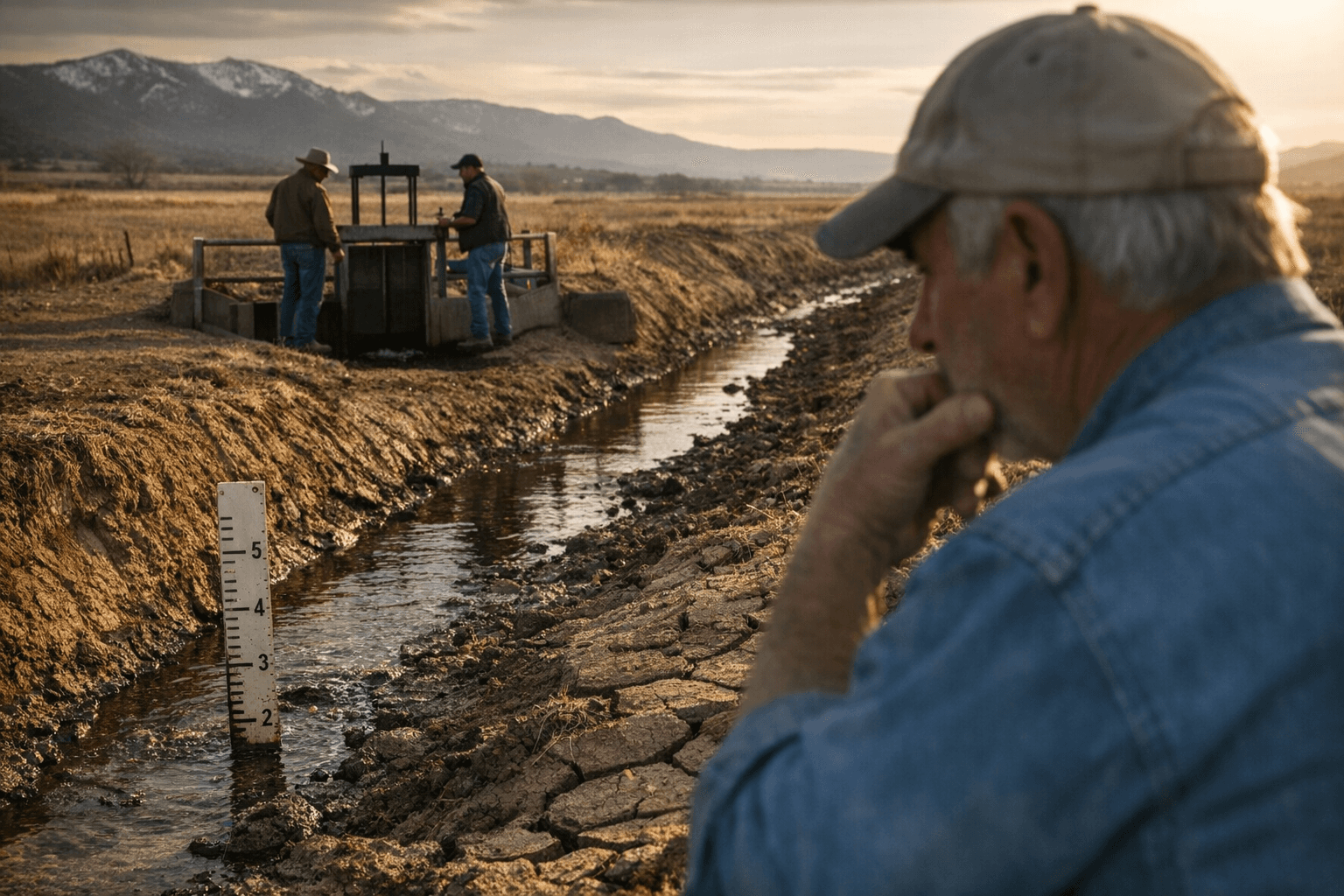
The stakes for northern farmers are material. Three inches of delivered water represents roughly 14% of a fully stocked season. That shortfall is likely to force changes in cropping plans: switching to lower-water varieties, reducing planted acreage, or pursuing emergency feed arrangements as hay production and dry-crop yields across the county's northern agricultural belt take significant cuts.
Colorado's prior appropriation system creates sharp divides in who absorbs that pain. The Montezuma Valley Irrigation Co., serving irrigators closer to Cortez and the Lewis-Arriola area with senior water rights, was estimated to receive roughly 60% of its typical supply. Seniority provides meaningful insulation; junior right-holders at the district's northern delivery points hold no equivalent buffer.
McPhee Reservoir releases, Bureau of Reclamation operations and state Division of Water Resources administration all shape what DWCD can actually deliver, and those intergovernmental threads will tighten as final runoff numbers come in later this summer. If spring flows fail to improve, the narrow margin of the board's re-vote suggests the county's water governance calendar is going to get considerably more difficult.
Sources:
Know something we missed? Have a correction or additional information?
Submit a Tip