How Dolores County assessor determines property values and taxes
Your property tax bill starts with a January 1 snapshot and a short protest window. In Dolores County, missing the notice or deadline can lock in a value you meant to challenge.
A Dolores County property tax bill starts with the assessor’s January 1 snapshot of what your property is worth. That number then moves through county, school, city, and fire district levies that stay inside Dolores County. If the value looks off, the deadlines are short and the notice matters.
How the assessor sets value
The Dolores County Assessor’s Office is the first stop. Its job is to discover, list, classify, and value all property in the county under state law, using records instead of guesswork. The office collects data on improvements, land size, legal description, ownership, property address, and owner address, and its maps give a general description of a site’s shape and size.
Colorado law sets the key valuation date at January 1 each year. The assessor appraises and classifies property based on its physical characteristics and condition on that date, not on what happens later in the year. Where it applies, the assessor uses the cost approach, sales comparison approach, and income approach to determine actual value.
The process is not one-size-fits-all. A house, a parcel of land, a commercial building, a manufactured home, and business equipment can all move through different valuation rules, even though they end up on the same tax roll. Residents can find county guidance on how property is valued, improvement notices, manufactured or mobile homes, personal property, tax exemptions, and agricultural land classification.
Why the tax bill is split among local governments
Property tax in Dolores County does not go into a state pot. Property-tax revenue supports public schools, county governments, special districts, and municipal governments, and every dollar generated by property taxes stays within the county. Property taxes do not fund any state services.
One valuation can affect several local budgets at once. The county’s 2024 tax abstract lists county tax as levied by county commissioners, special school tax by district school boards, city tax by city officials, and fire district tax by fire district officials. Your assessed value is the starting point, but the final bill reflects multiple taxing authorities layered on top of that value.
The Dolores County Treasurer’s Office is the next key office in the pipeline. Taylor Funk serves as treasurer and public trustee, and the office handles property tax collections, distributions, investments, tax lien sales, and auctions. The assessor figures out the value, the taxing authorities set their levies, and the treasurer collects and moves the money.
The deadlines that can cost you a protest
January 1 is the assessment date, April 15 is the due date for personal-property declaration schedules, June 15 is the annual deadline for the assessor to mail the Notice of Valuation, June 30 is the last day to protest to the county assessor, and July 1 through August 5 is the window for County Board of Equalization hearings on personal-property appeals.
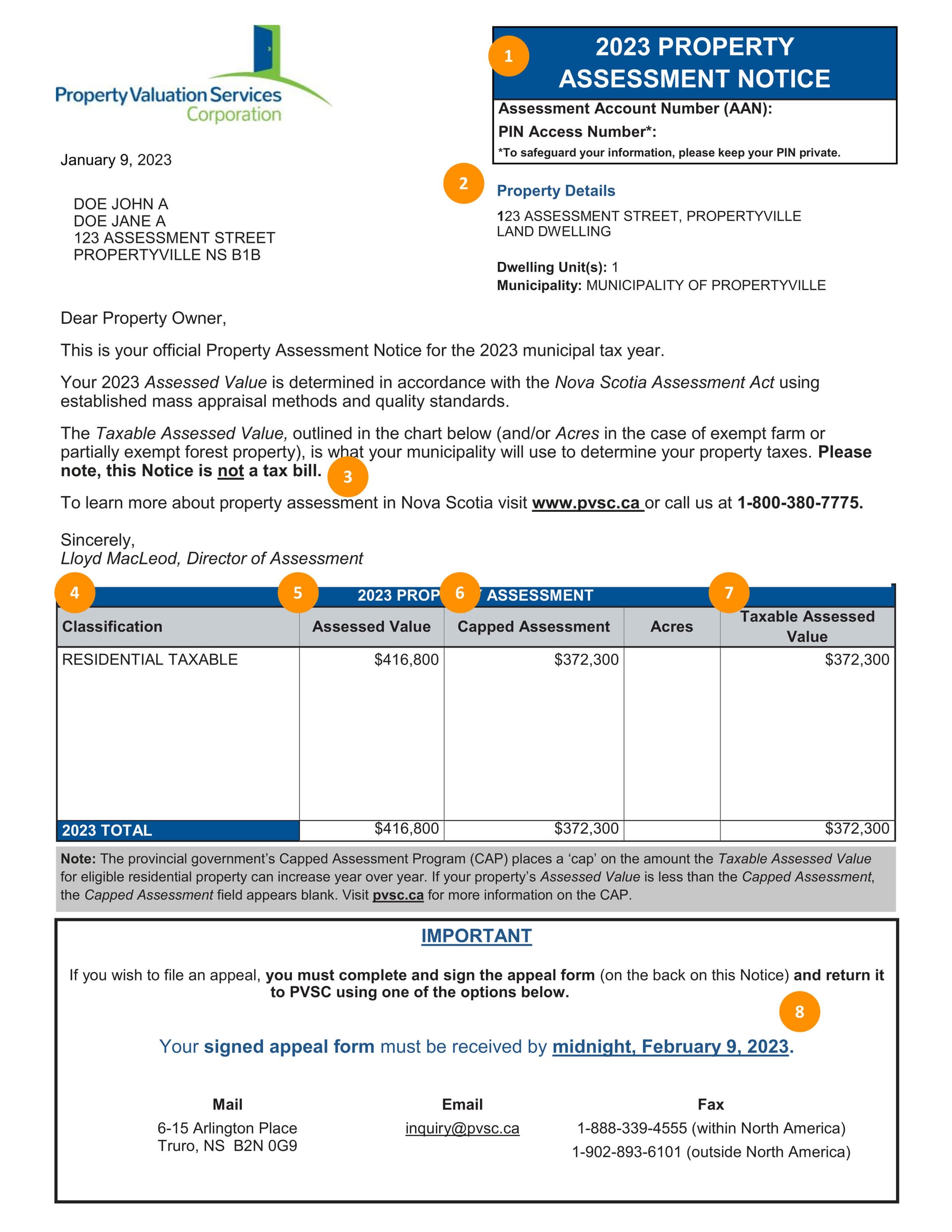
The Notice of Valuation is the document that tells you what the county thinks your property is worth. You must receive one every year, even if the value did not change, and the notice must include a protest form. Colorado’s taxpayer-remedies guidance says the notice must be mailed no later than May 1, which is why residents should watch the mail closely instead of assuming a notice will arrive later in the summer.
Once the NOV lands, the clock starts. If you think the value is too high, the protest goes first to the county assessor, and the June 30 deadline is the one that closes that door. For personal property, the appeal path can continue into County Board of Equalization hearings between July 1 and August 5, but that only helps if the first filing is timely.
What personal property owners need to watch
Personal property gets a separate set of rules, and that is where business owners and some homeowners can get tripped up. All real and personal property is taxable unless exempted by law, and personal-property declaration schedules are filed each year by April 15. County assessors use personal-property tables to value that property under the cost approach and to help keep uniformity and equalization statewide.
Equipment, business assets, and other movable property can create annual paperwork even if no building sold and no land changed hands. The same general principle applies: the valuation date is January 1, and the county is looking at the property’s characteristics on that date.
Where the local process becomes real
The Dolores County Board of County Commissioners minutes from July 7, 2025 show how much of this work is contested in practice. The minutes list an assessed value of $98,525,376.00. They also list 28 real-property protests, with 7 approved, 14 denied, 4 satisfied, and 3 still active, plus 1 personal-property protest approved.
The assessor’s office is not just mailing notices and filing maps. Residents can challenge its judgments, and some challenges do change the value. In a county of 1,064 square miles, with elevations ranging from 5,900 feet in Disappointment Valley to 14,046 feet on Mount Wilson, a single office has to keep track of properties spread across rough terrain, scattered homes, and different local markets.
Where to find the offices
Amber Blackmore is listed as Dolores County assessor at 409 N. Main Street, PO Box 421, Dove Creek, CO 81324. Taylor Funk is listed as treasurer at the same address.
This article was produced by Prism’s automated news system from verified source data, official records, and press releases, then run through automated quality and moderation checks before publishing. The system is built and supervised by the people who set the standards it runs under. Read our full AI policy.
Did this article answer your question?