Douglas County marks Colorado, U.S. anniversaries with pioneer history exhibits
Douglas County’s free anniversary exhibits trace the Palmer Divide from mammoth hunters to railroads, with a June 18 talk on Russellville and Civil War-era archaeology.
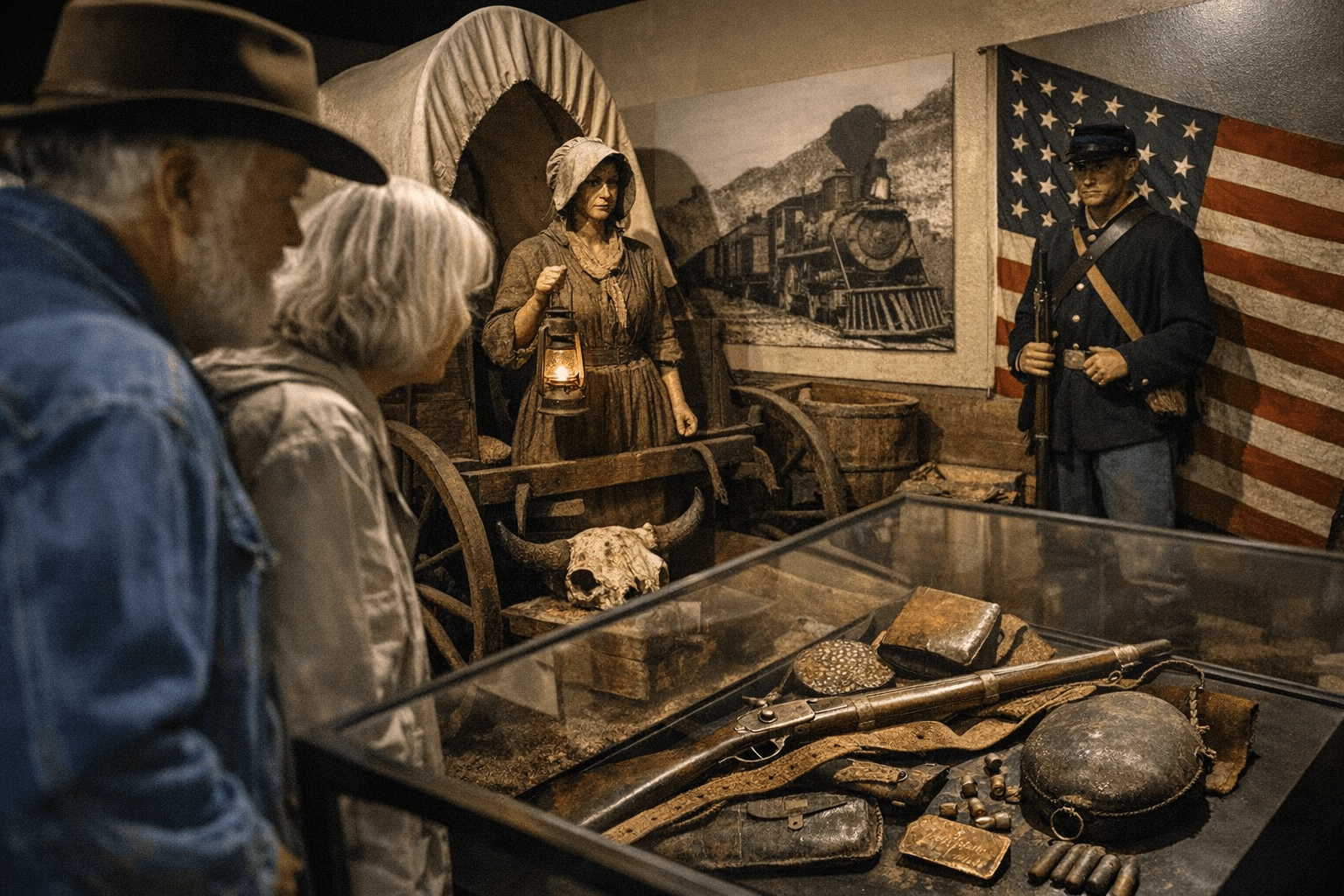
A converted oil wagon, prehistoric tools and stagecoach-era relics anchor Douglas County’s biggest anniversary display, a free exhibit that turns the Palmer Divide into a timeline of local survival, travel and growth.
The main exhibit, Thriving Through Time: Adaptation on the Palmer Divide, runs January through December at Parker Water & Sanitation District headquarters, 13939 Ancestry Drive in Parker. Douglas County calls it the largest public collection of historic artifacts it has assembled, and the range is wide enough to draw families, students and history buffs alike, from fossils and tools tied to prehistoric life to evidence of agricultural innovation and a direct appeal to protect local archaeological sites from vandalism and loss. It is typically open Monday through Friday, 7:30 a.m. to 4:30 p.m.
A second free exhibit, Tracks Across Our Land, opens a different chapter of the county’s past at the Parker Schoolhouse on Mainstreet in Parker. Running March through December, it follows transportation history from Indigenous trails to stagecoach routes, railroads and modern highways. The display includes stone tools and projectile points, stagecoach-era horseshoes and ceramics, railroad spikes and maps, historic license plates and early automotive parts, making it a strong stop for anyone tracing how movement changed life on the plains and in the foothills.
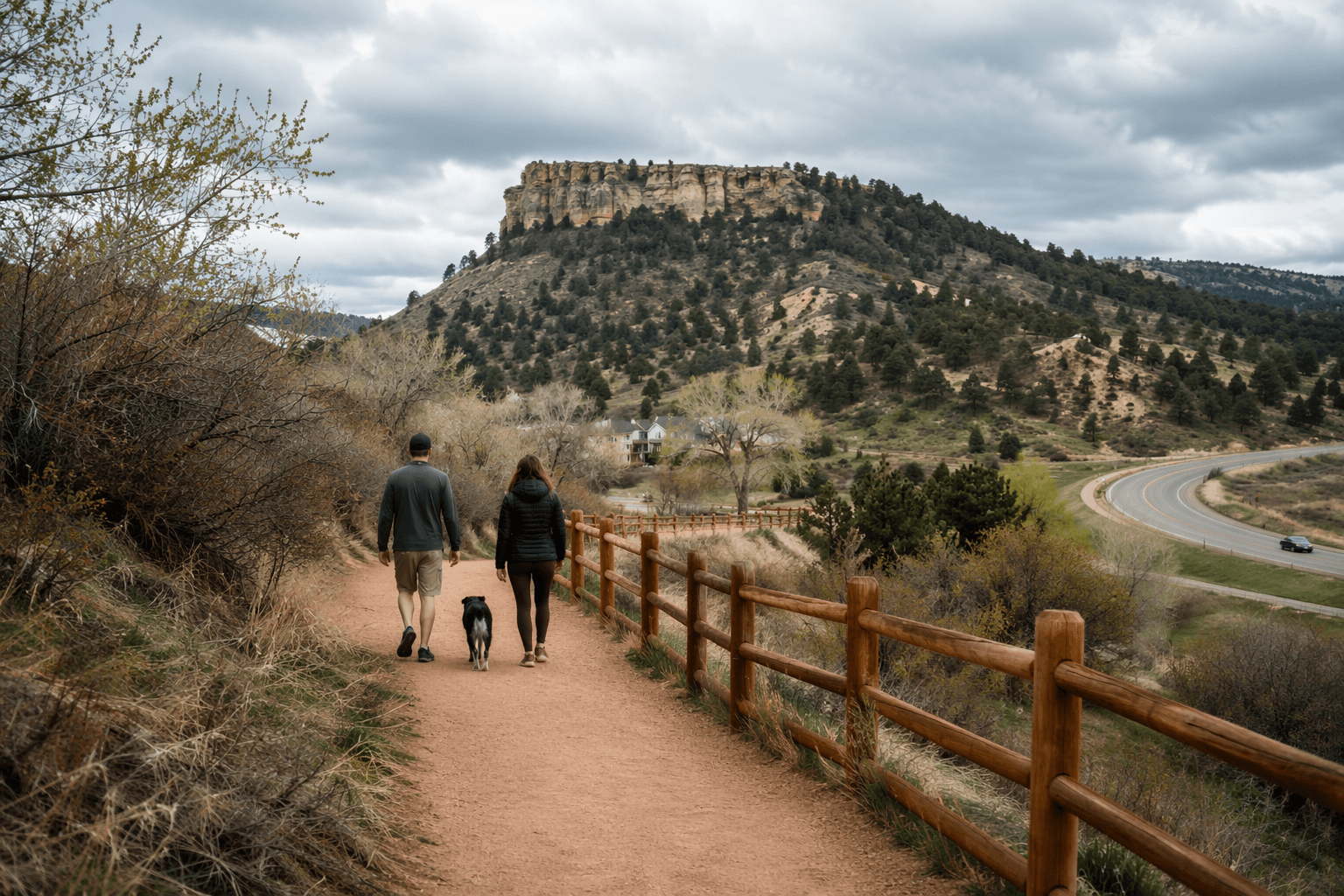
One of the most surprising details in Douglas County’s anniversary framing is how much bigger and more fluid the county once was. Douglas County was created in 1861 as one of the original 17 counties in Colorado Territory, named for Stephen A. Douglas, and it originally stretched from the Rockies to the Kansas border. That scale helps explain why the county is leaning on open spaces, historic sites and cultural institutions to tell a story that is larger than one town or one era.
The county’s June 18 lecture, Russellville: Land of Golden Opportunity, adds a more focused local lens. Archaeologist Norma Miller and Laura Miller will discuss Douglas County before and after Colorado became a state, including archaeological investigations in the Russellville area and military encampments from the Civil War era. For residents looking for one event that connects statehood, settlement and the people who lived here before and after 1876, it is the clearest stop on the calendar.
Douglas County’s programs also connect to the statewide effort led by the America 250 - Colorado 150 Commission, housed at History Colorado and established by Governor Jared Polis and the Colorado General Assembly. Its Historic Marker Program plans to place up to 150 new roadside markers across Colorado, extending the anniversary beyond celebration and into the landscape itself.
This article was produced by Prism’s automated news system from verified source data, official records, and press releases, then run through automated quality and moderation checks before publishing. The system is built and supervised by the people who set the standards it runs under. Read our full AI policy.
Did this article answer your question?