Baker University wetlands blend conservation, trails and outdoor learning
South of Lawrence, Baker’s wetlands pair 927 acres, 11 miles of trails and a permanent deed covenant with birding, classes and a boardwalk.
Just south of Lawrence, Baker University Wetlands and Discovery Center turns an edge-of-town landscape into a place for walking, birding and hands-on learning. The site sits at 1365 N. 1250 Road in Douglas County, with Baker’s location page pointing visitors toward US 59 and the South Lawrence Trafficway, so it is close enough to use on an ordinary afternoon, not just a planned field trip.
A wetland on Lawrence’s doorstep
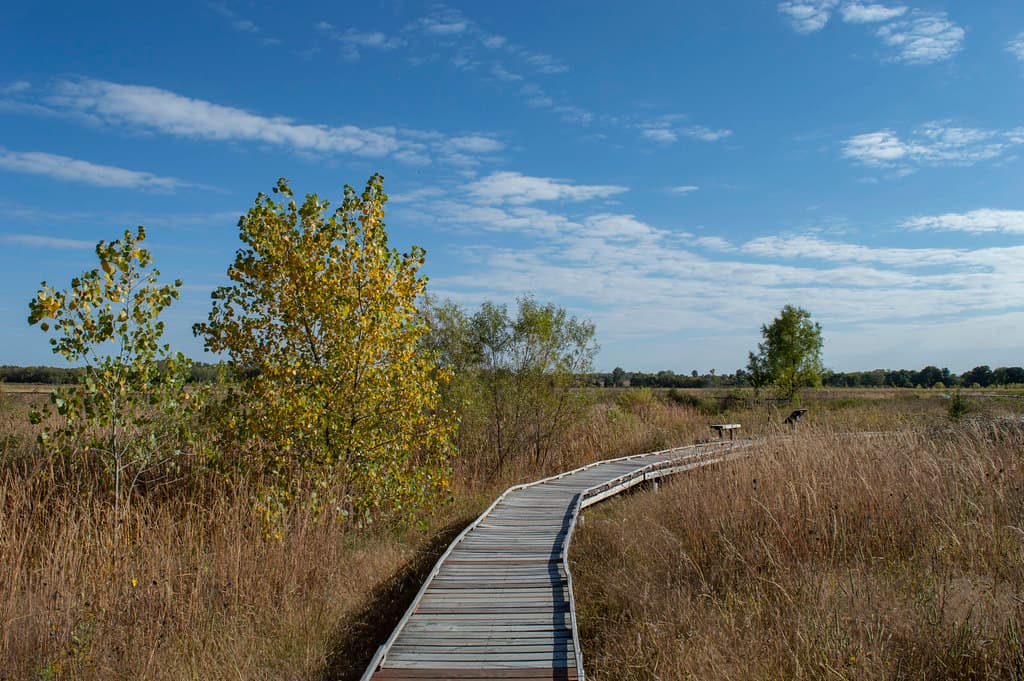
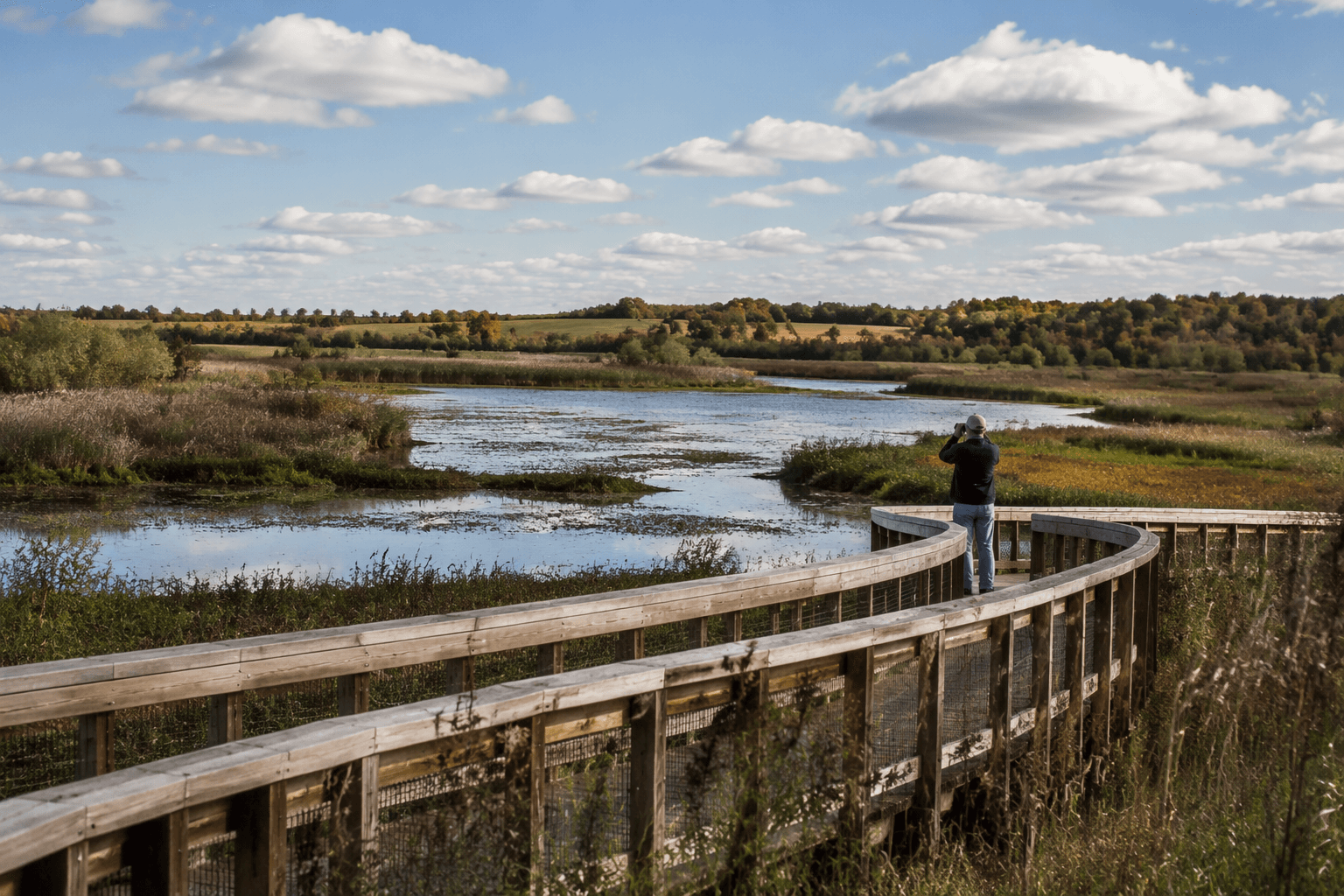
The draw here is scale and setting. One local travel guide puts the wetlands at 927 acres with more than 10 miles of trails, including a boardwalk, while Baker says visitors can explore 11 miles of hiking and biking routes. KC Hiker describes the area as more than 900 acres next to the Wakarusa River with hundreds of species living there, which helps explain why birders, walkers and casual nature watchers keep coming back.
That mix of habitat matters. The wetlands bring together open water, marsh and upland edges in one preserve, so a single walk can reveal different kinds of birds, shoreline plants and seasonal changes without leaving the Lawrence area. For Douglas County residents looking for a place that feels remote without being far away, the wetlands offer a rare combination of access and ecological variety.
How the trails and wildlife are used
The trail system is the easiest entry point for most visitors. Baker’s own visitor information says the site is built for hiking and biking, and the boardwalk gives walkers a drier way into the wetland landscape. Because the preserve sits in the Wakarusa River corridor, the experience changes with water levels, migration patterns and the season, which makes repeat visits worthwhile.
For a simple outing, the site works in several different ways:
- Families can build a short outdoor stop around the boardwalk and surrounding trails, then pair it with a look inside the Discovery Center.
- Birders can use the open sightlines and mixed habitat to look for the hundreds of species documented there.
- Walkers and cyclists can treat the preserve as a south-Lawrence route that feels much farther from town than it is.
The point is not just recreation. The wetlands are one of the clearest places in Douglas County where public access and habitat protection overlap, so a trail walk is also a look at how a restored landscape functions.
The Discovery Center as an outdoor classroom
The Discovery Center opened in September 2015, giving Baker a dedicated indoor base for explaining the site’s history and ecology. Early coverage of the opening featured Baker education coordinator Roger Boyd discussing the need for a space focused on the wetlands’ educational mission, and the center has since become part trailhead, part classroom and part event facility.
Its listed capacities show how flexible the building is: 91 for the indoor theater, 60 in the classroom, 84 for banquet seating and 91 for receptions. That makes it useful for school visits, university programming and community gatherings that need a place to meet before or after time on the trails.
For teachers, the strongest use case is obvious. Students can walk into a landscape shaped by water, restoration and wildlife, then move into the center to connect what they saw outside with the history and science behind it. For families, the same setup works as a low-friction day trip: walk first, learn second, and never leave the county.
From farm drainage to restoration
The wetlands are also a local example of how land use can change over generations. Baker alumni material says the Wakarusa River created the wetland complex over thousands of years through repeated flooding, then the area was drained in the early 1900s for farming. Baker University acquired the land in 1968, and biology students and faculty began the long restoration process that turned it back into wetland habitat.
That history is why the site means more than a scenic trail network. Baker says the wetlands are protected by deed for educational, research and conservation purposes, which ties the property directly to the university’s teaching mission. In practice, that means the land is not just scenery around a campus program. It is part of the campus’s working academic infrastructure.
How land-use fights shaped the site
The wetlands have also sat at the center of development pressure, which makes them a land-use story as much as a nature story. In April 2024, Baker University said it was evaluating a potential land sale near the wetlands, setting off student protest and wider opposition from environmentalists and Indigenous advocates. Courtney King, speaking in The Indian Leader, criticized the prospect of development as another example of harm to Indigenous people in Lawrence.
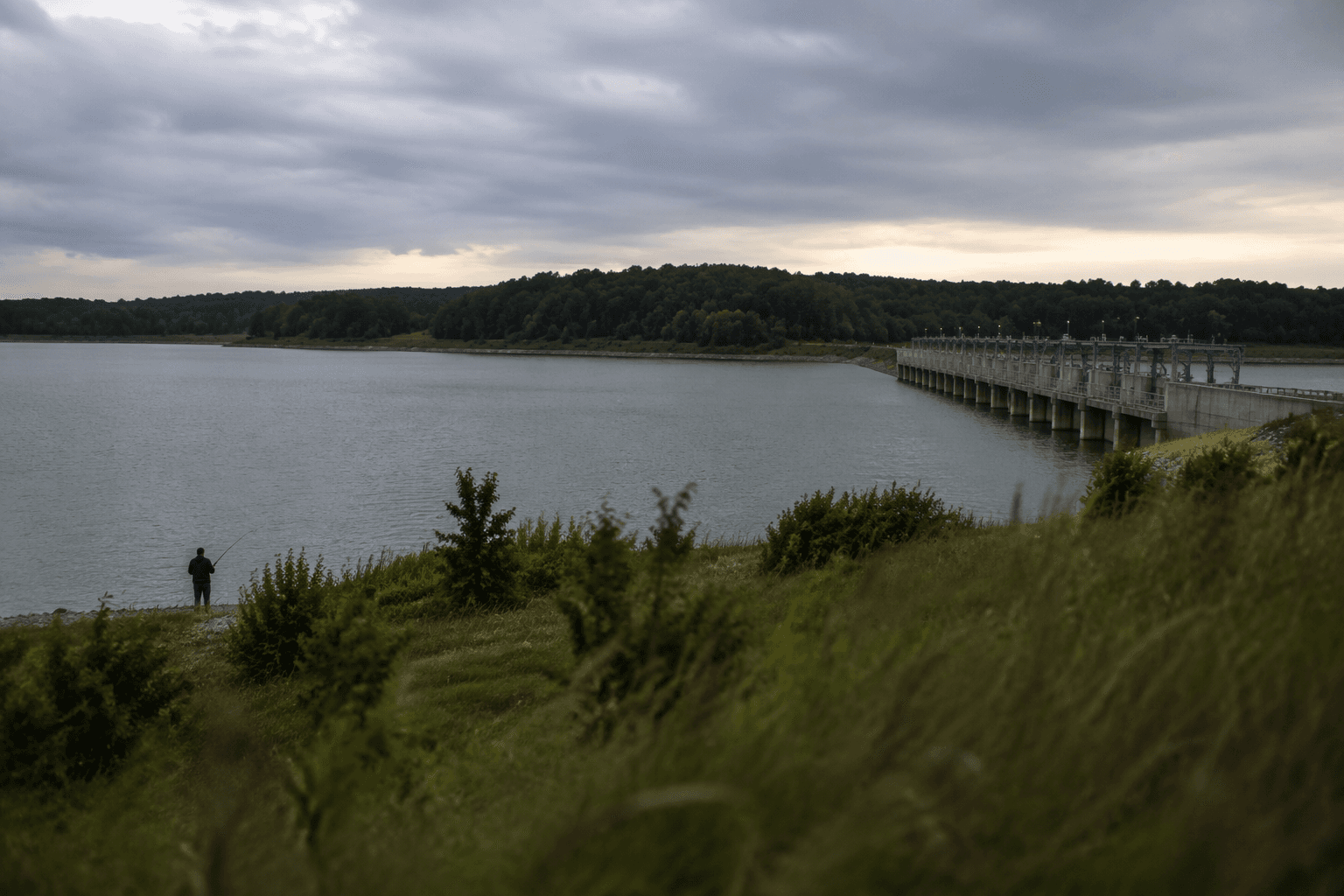
By May 2025, the story had moved in the other direction. The Lawrence Times reported that a newly finalized restricted deed covenant permanently protected the wetlands from development, closing off the possibility that the site would become another building project. That decision matters beyond the wetlands themselves, because the county’s September 2025 Wakarusa River Valley Vision and Area Plan existing-conditions summary described roughly 15,400 acres of floodplain south of Lawrence, stretching from Clinton Dam to Eudora. The wetlands sit inside that larger river system, where conservation choices now shape what happens next.
Why it works as a local outing
The Baker University Wetlands and Discovery Center stands out because it solves several Douglas County needs at once. It gives Lawrence a nearby place for birding and quiet walking, gives teachers an outdoor classroom with real indoor support, and preserves a restored landscape that could easily have gone another direction if land-use decisions had been different.
With permanent protection in place, the wetlands remain one of the county’s most valuable public assets, a place where conservation, access and learning still meet on the edge of the city.
This article was produced by Prism’s automated news system from verified source data, official records, and press releases, then run through automated quality and moderation checks before publishing. The system is built and supervised by the people who set the standards it runs under. Read our full AI policy.
Did this article answer your question?