Clinton Lake’s creation reshaped Douglas County after 1951 flood fears
Built for flood control, Clinton Lake now draws Douglas County campers, anglers, hikers and boaters. Its dam turned a Wakarusa River valley into a public recreation hub.
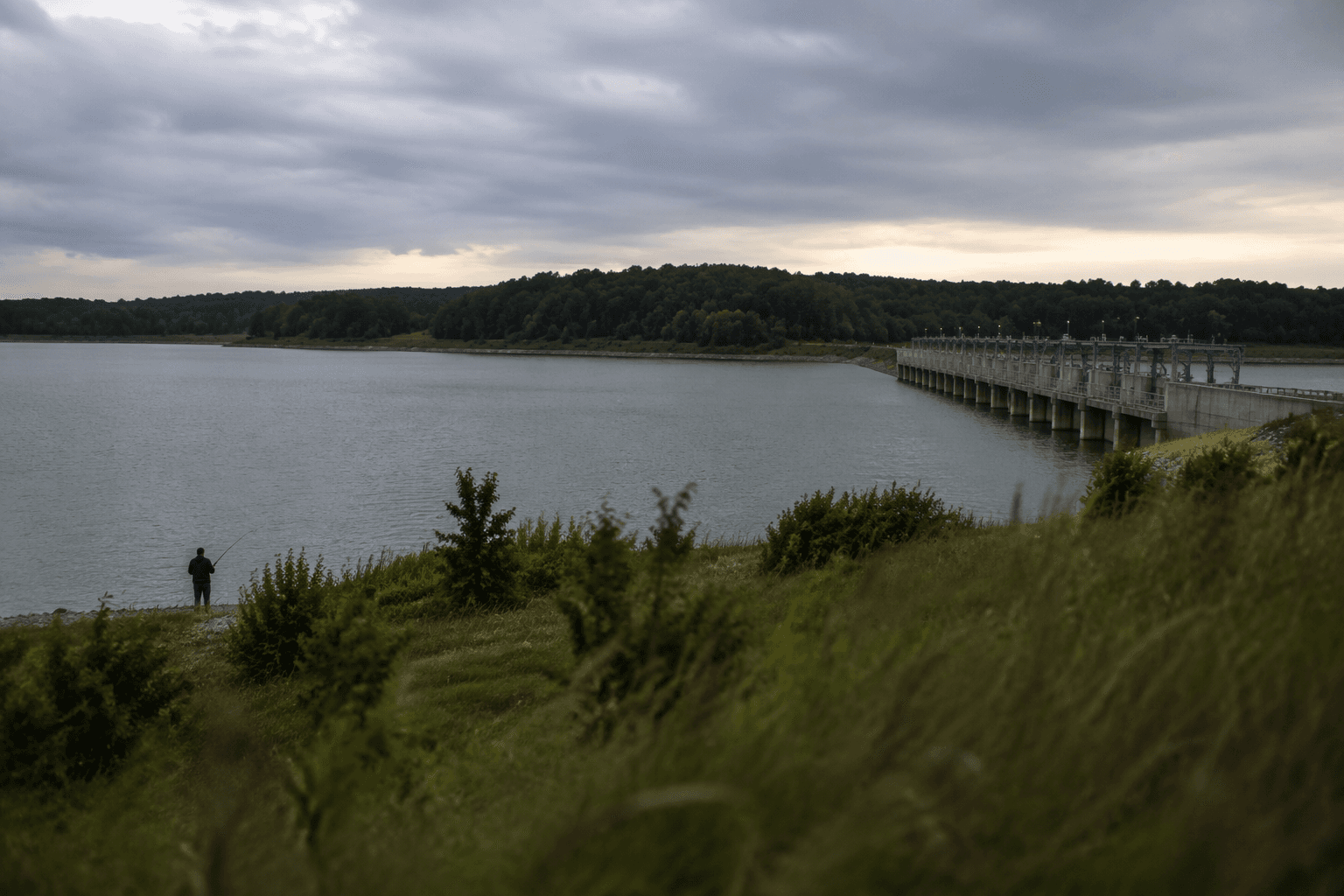
On the southwestern edge of Lawrence, the Corps-managed reservoir on the Wakarusa River mixes flood protection with camping, fishing, boating, hunting and trail use. Clinton Lake was built to control water, but in Douglas County it now works as one of the area’s biggest outdoor destinations, turning a former river valley into a year-round public landscape.
From flood fears to a reservoir
The lake’s origin sits squarely in the county’s post-flood history. Planning for what became Clinton Lake began in 1962 with the Flood Control Act, after the Great Flood of 1951 sharpened concerns about what the Wakarusa River could do in a hard rain year. In 1960, Congress also passed Public Law 86-645, the Rivers and Harbors Act, which required federal agencies to make a reasonable effort to tell local residents about possible land acquisition for public works projects on waterways, a safeguard that mattered in a county where land and water use were already tightly contested.
Rumors about construction were circulating by the early 1960s, and rural landowners feared the Corps could take property by eminent domain. At the Watkins Museum of History, that period remains a whirlwind that divided Douglas County, because the project was never only about engineering. It was also about who would lose farm ground and river-bottom land, and who would gain protection from future flooding.
How the dam changed the Wakarusa Valley
Construction began in 1972, when the U.S. Army Corps of Engineers started building a dam across the Wakarusa River southeast of Lawrence. The Wakarusa Museum ties the change to Clinton Dam impounding 7,000 acres of water in a conservation pool, which interrupted the natural streamflow and drainage system that had defined the valley before the reservoir existed. The dam was designed and built by the Kansas City District and completed in 1977.
What had been a river corridor became a managed reservoir in northwestern Douglas County, built to provide flood damage reduction, recreation, fish and wildlife benefits and other uses.
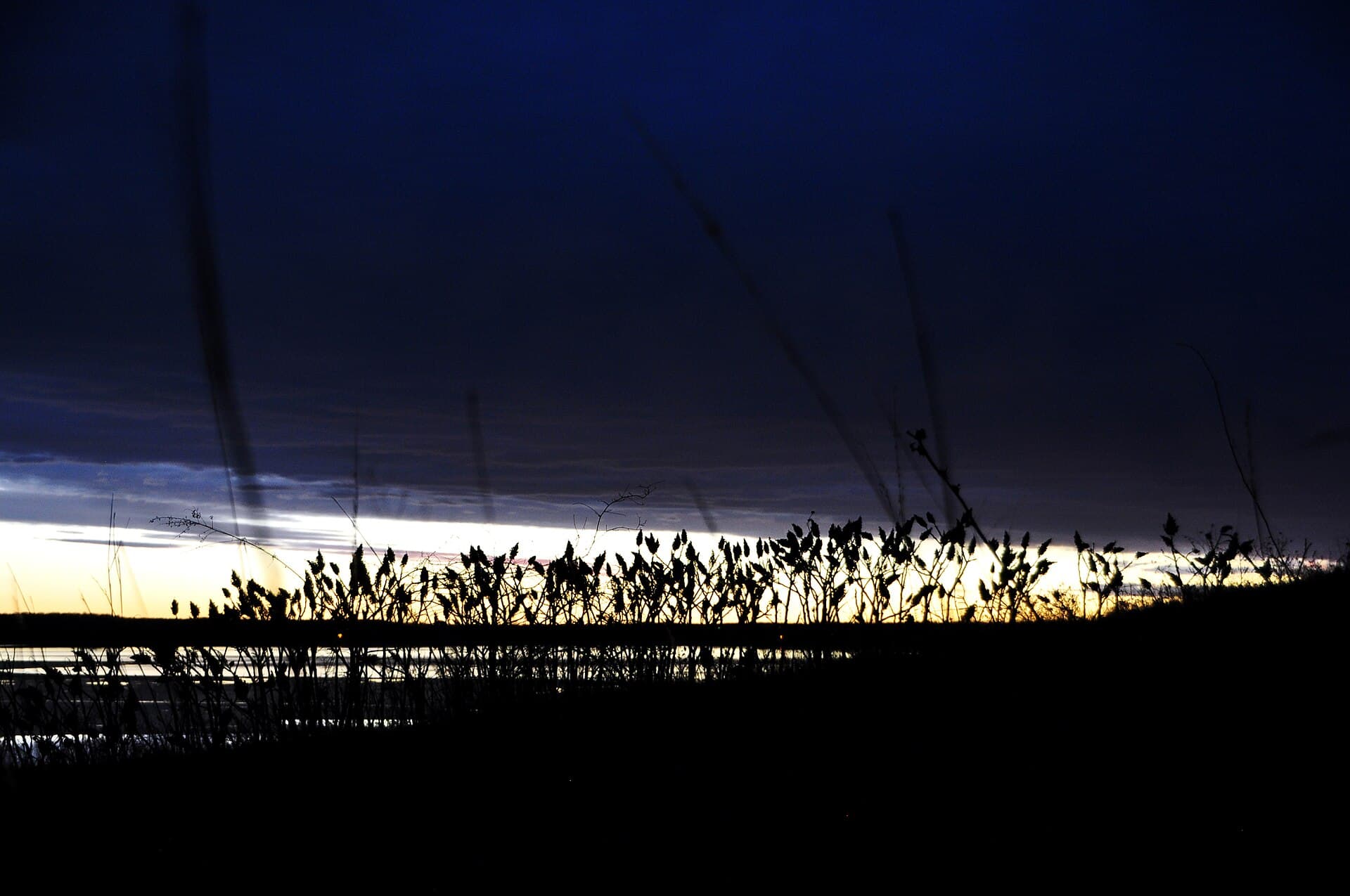
What people use Clinton Lake for now
Recreation.gov lists more than 50 miles of hiking, equestrian and mountain-bike trails, along with an 18-hole golf course, a model airplane airport and the Clinton Lake Historical Society Museum. The South Lawrence Trafficway Hike/Bike Path is the most recent addition to the trail system, giving cyclists and walkers access without a boat launch or campground reservation.
The Corps manages 7,000 acres of lake surface and another 15,000 acres of land around it, with more than 9,000 acres of public land open to visitors. That footprint supports six campgrounds, ranging from developed sites with full facilities to primitive camping areas, and it gives anglers, boaters, hikers, equestrians, mountain bikers and hunters room to spread out across a landscape that was once private river valley ground.
Why the lake still matters in county planning
The Wakarusa River Valley Heritage Museum was established in 1983 because local residents feared the valley’s history would disappear under the floodplain and reservoir. That same corridor remains an active planning area today: Douglas County’s September 2025 Wakarusa River Valley Vision & Area Plan Existing Conditions Summary covered about 15,400 acres south of Lawrence, stretching from Clinton Dam to Eudora, as part of work on future use, opportunities and constraints.
This article was produced by Prism’s automated news system from verified source data, official records, and press releases, then run through automated quality and moderation checks before publishing. The system is built and supervised by the people who set the standards it runs under. Read our full AI policy.
Did this article answer your question?