Clenece Hills remembered as Lawrence's birthday lady ahead of America 250
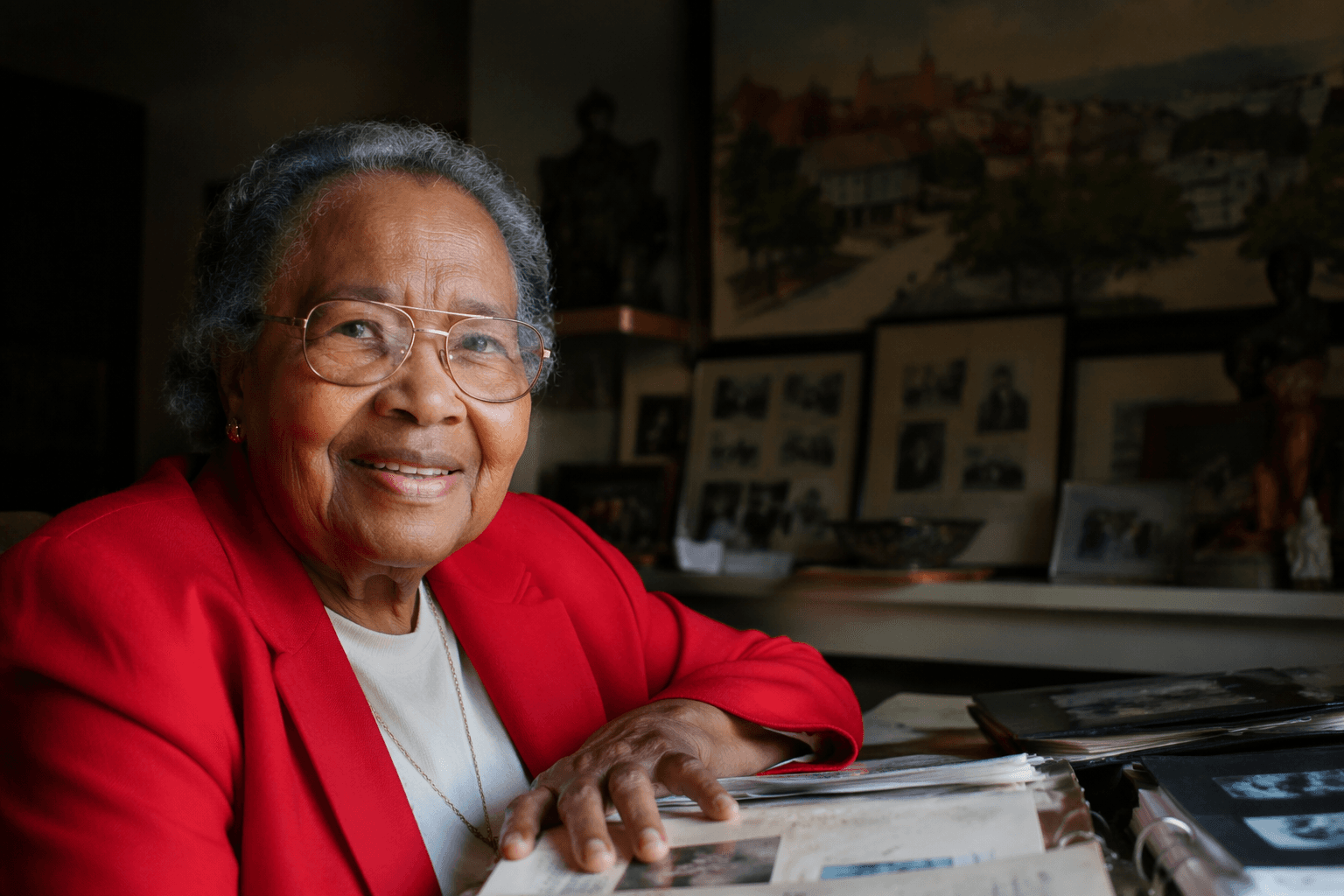
Clenece Hills helped shape Lawrence’s big anniversaries, from the 1976 Bicentennial to the 2004 sesquicentennial. Her papers now anchor a June-to-August America 250 exhibit at the Watkins Museum.
Clenece Hills has spent decades turning Lawrence anniversaries into public rituals, and at 88 she remains the city’s remembered “birthday lady.” She chaired Lawrence’s Sesquicentennial Commission for the city’s 150th in 2004, helped coordinate Haskell Indian Nations University’s 100th anniversary in 1984, and earlier led the Douglas County Bicentennial Commission from 1973 to 1976.
A life built around public memory
That long paper trail is part of the story. University of Kansas Kenneth Spencer Research Library records show Hills’ papers span 1926 to 2019 and include materials tied to her Lawrence community work, which helps explain why her name keeps surfacing whenever the city marks a milestone. Her career makes her less a ceremonial figure than a practical organizer of how Lawrence chooses to remember itself.
The same is true of the Douglas County Bicentennial Commission records preserved at KU. The collection includes correspondence, programs, newsletters, bulletins, advertising materials and other memorabilia from 1975 and 1976, showing how much work went into making the county’s 200th birthday feel local rather than abstract.
What Douglas County did in 1976
The Bicentennial planning period began in 1973 and ran through July 4, 1976, and Hills said the mood spread everywhere. She recalled that many towns across the county wanted to be involved, not just Lawrence, and one of the clearest symbols of that reach came at 2 p.m. on July 4, 1976, when churches across Douglas County rang bells simultaneously.
The buildout was broad enough to include more than ceremonies. A 1974 Journal-World item said the Douglas County Bicentennial Committee was widening citizen participation in planning, and a 1975 report said six proposed local projects were being recommended for bicentennial funding. In February 1976, the Douglas County Commission received a 200-pound bicentennial bell, another sign that the county treated the occasion as something meant to be seen, heard and shared.
Those details matter because they show how the celebration was structured as a countywide project. The bells, the funding requests and the participation drive all point to a moment when the Bicentennial was not just a date on the calendar but a civic campaign, with churches, local committees and county leaders all helping set the tone.
How Lawrence marked its 150th birthday
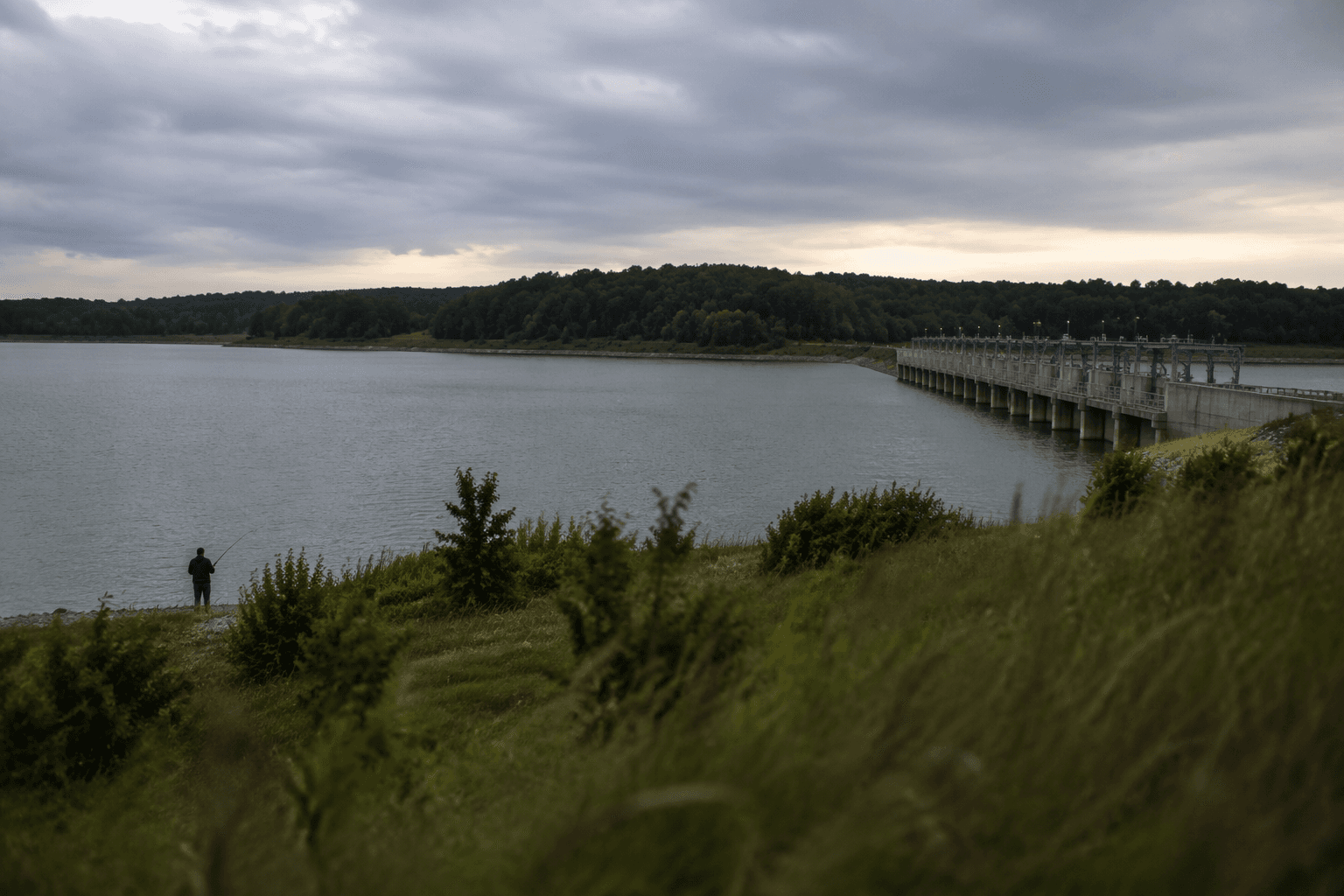
The countywide style of 1976 did not disappear, but later city anniversaries looked different. For Lawrence’s 150th birthday in 2004, Hills chaired the Lawrence Sesquicentennial Commission, and the celebration ended with a parade on Sept. 18, 2004, followed by a closing ceremony on Sept. 19 at Sesquicentennial Point. There, a time vault was buried to be opened in 2054.
That 2004 ending gives Lawrence a second benchmark to compare with the Bicentennial years. The 1976 celebration emphasized bells, participation and county reach; the 2004 observance leaned into a defined civic finale, with a parade and a formal closing at a named site by Clinton Lake. Together, the two anniversaries show a community that has kept celebrating, even as the form of celebration has shifted.
What America 250 looks like now
The next major anniversary is being approached differently again. Watkins Museum of History executive director Steve Nowak describes America 250 as more grassroots and built into existing institutions rather than through a special commission, a contrast with the more centralized bicentennial machinery of the 1970s. His museum biography identifies him as the Watkins executive director and an expert in American art, history and material culture, which gives weight to the museum’s role in shaping the local narrative.
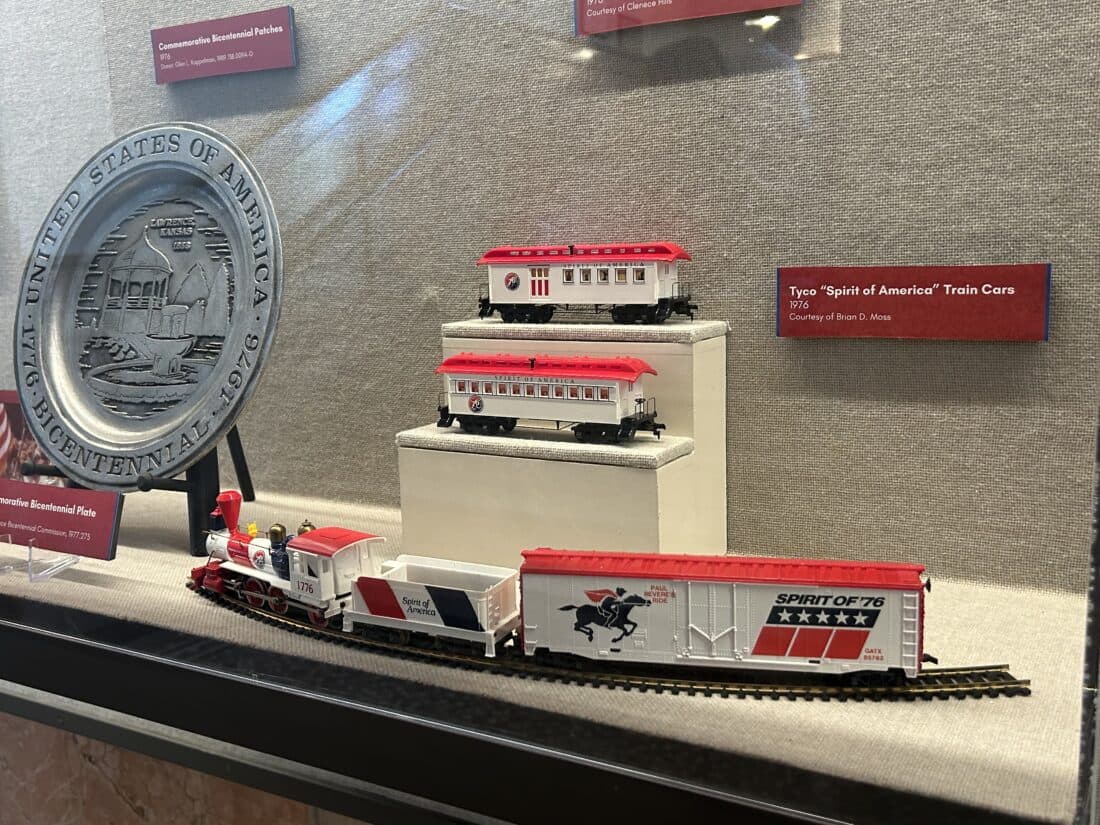
The museum is also turning that history into an exhibit. “America’s Bicentennial in Douglas County” is scheduled for June 12 through August 15, 2026 at the Watkins Museum of History, and it will include photos from the bicentennial parade on Massachusetts Street, “Spirit of America” model train cars and materials from Clenece Hills. Curator Andrew Stockmann said the goal is to balance patriotic celebration with commemoration, a choice that fits a county trying to honor the past without flattening it into nostalgia.
The museum’s broader America at 250 programming frames the semiquincentennial as a yearlong commemoration of the Declaration of Independence and its legacy. That makes the local effort bigger than a single exhibit case or anniversary weekend, and it places Lawrence and Douglas County inside a national observance that will unfold over time rather than arrive all at once.
Why the shift matters in Douglas County
The practical difference between 1976 and 2026 is not just organizational, it is cultural. In the Bicentennial years, the county built a large public calendar around shared rituals like bells, commissions and local project funding; today, the work is moving through museums, archives and long-standing civic institutions that can carry the story without creating a new standalone apparatus. That changes how residents encounter the commemoration, from a countywide mobilization to a more distributed set of exhibits and programs.
It also changes what gets preserved. Hills’ materials, the bicentennial commission records and the Watkins exhibit all show that Lawrence’s anniversaries are remembered not only through parades and ceremonies, but through paper, photographs and artifacts that decide which moments endure. In a city that has marked its birthdays for generations, the real story is how each celebration redraws the map of who gets included, and what kind of public memory Douglas County wants to keep building.
This article was produced by Prism’s automated news system from verified source data, official records, and press releases, then run through automated quality and moderation checks before publishing. The system is built and supervised by the people who set the standards it runs under. Read our full AI policy.
Did this article answer your question?