Lawrence city manager search sparks debate over leadership and city challenges
Lawrence’s city manager search turned into a larger argument over housing, budgets and trust, after a recruiter said the job came with “a full page” of challenges.

Lawrence’s next city manager is walking into a job shaped by housing pressure, growth disputes, public safety demands and a citywide test of trust in City Hall, and the search itself made that plain at the Carnegie Building.
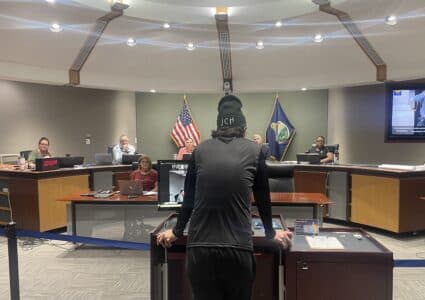
At a public meet-and-greet on May 20, residents pressed finalists on who they were and what kind of leader Lawrence needs after Craig Owens said in November 2025 that he would leave after six and a half years as city manager. Doug Thomas of Strategic Government Resources told the crowd the search was far more complicated than most municipal hirings. In his experience, he said, he usually sees four or five major issues. Lawrence, he said, had “a full page” of challenges.
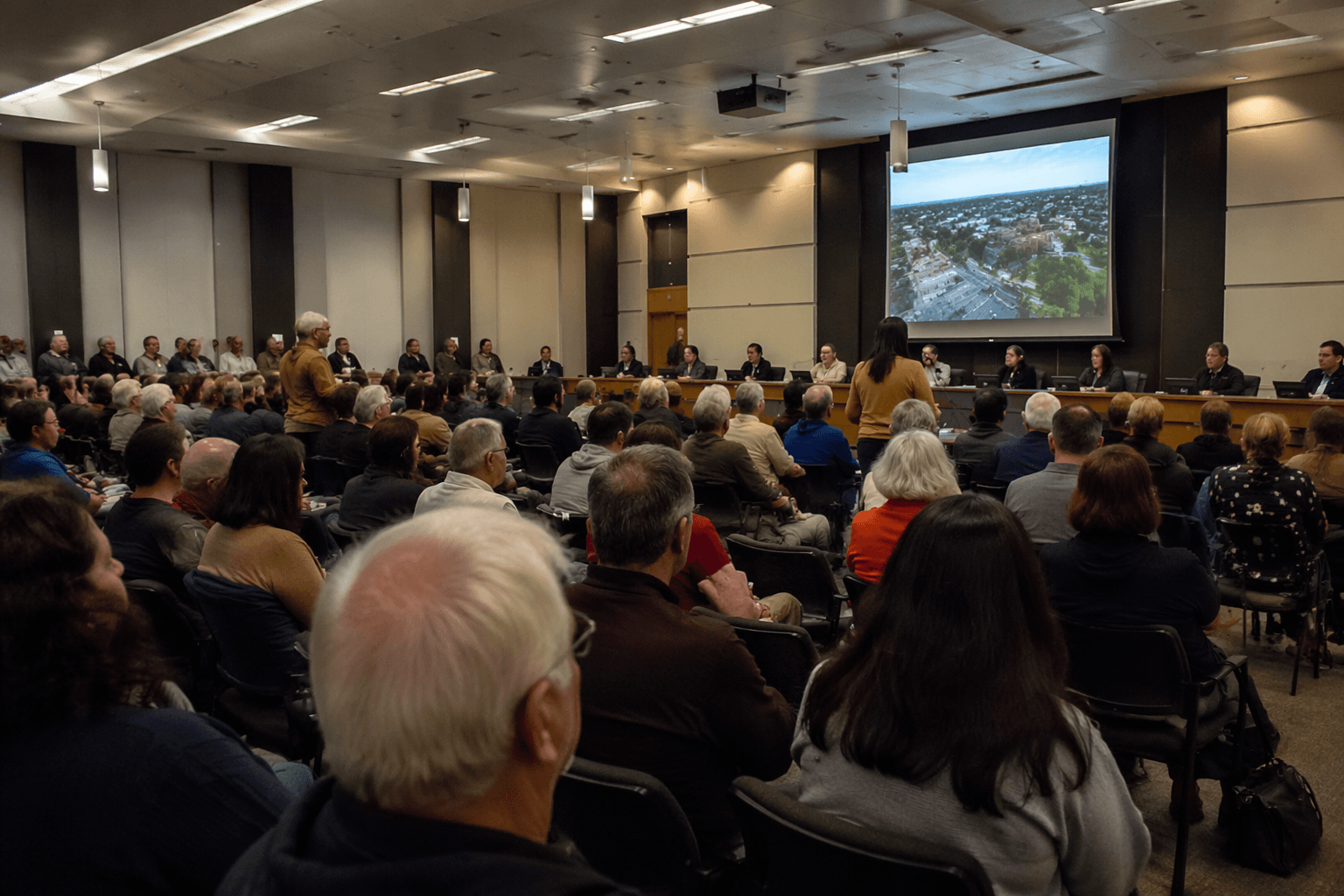
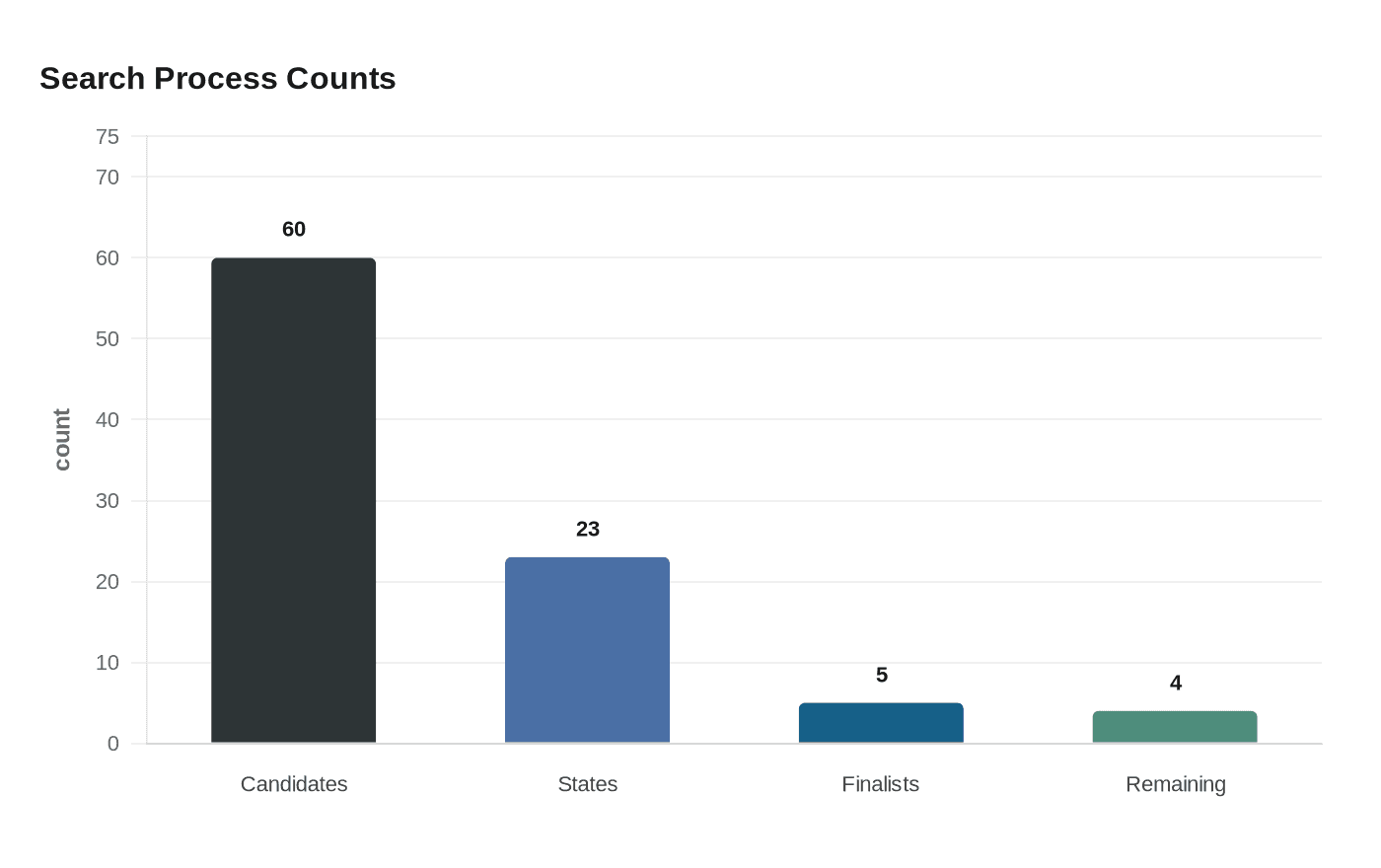
That line fit a search process already under scrutiny. City recruitment materials said the pool drew 60 municipal-government professionals from 23 states, with no internal candidates. After the city announced five finalists, then narrowed the list to four when David Vela withdrew, community members raised questions about the field’s diversity. The remaining candidates were all men and a majority were white, a point residents brought up as finalists sat at tables and attendees moved from one conversation to another in the speed-dating-style format.
The stakes are bigger than one hire. Lawrence’s recruitment profile lists an annual salary range of $229,153 to $338,769, depending on experience and qualifications, and the city’s FY 2026 budget totals $432.5 million, including a $118.2 million general fund. About 930 employees work for the city, which operates under a council-manager system in which the five-member at-large City Commission hires the city manager.
City documents show why the position carries so much weight. Lawrence and Douglas County launched Horizon 2020 in 1991, when the city had a little more than 65,000 residents. Since then, the population grew 34% and the city nearly doubled in geographic size. Plan 2040, adopted in November 2019, is meant to guide growth while preserving community character, and the city’s strategic plan framework, adopted in October 2020, ties those long-range goals to annual budgets and priorities such as Strong, Welcoming Neighborhoods, Safe and Secure, Prosperity and Economic Security, and Connected City.
The city says it is looking for a relationship-driven leader with economic development acumen, strong negotiation skills and the ability to build authentic relationships with commissioners, staff and community stakeholders. That is a tall order in a university city home to the University of Kansas and Haskell Indian Nations University, one that works with Douglas County on planning, development, fire and EMS, homelessness and economic development.
For Lawrence residents, the search has become a proxy for the city’s unresolved problems: how to keep housing affordable, how to manage growth, how to protect daily services and how to restore confidence that City Hall can handle both the practical and political weight of the job.
Know something we missed? Have a correction or additional information?
Submit a Tip