Lawrence sustainability board weighs cup ban, anti-idling and wetlands proposals
A styrofoam cup ban could hit Lawrence cafes and restaurants first as the sustainability board sorts a wider list that also includes anti-idling and wetlands personhood.
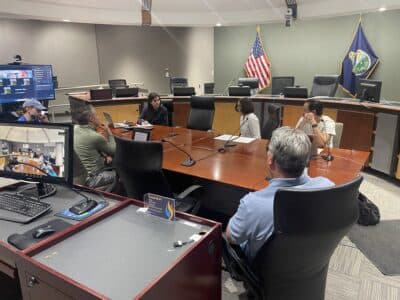
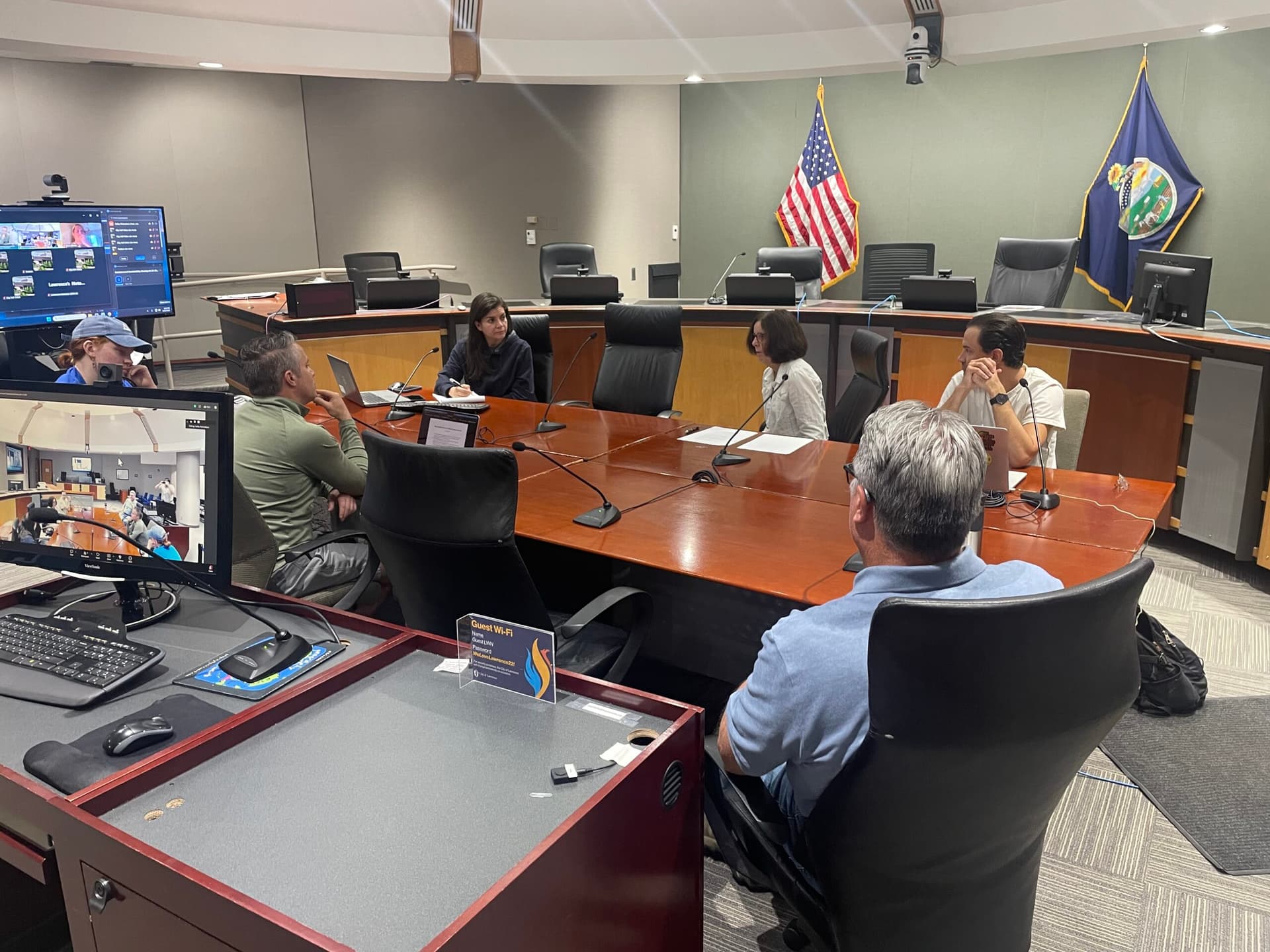
Lawrence’s Environmental Sustainability Advisory Board is weighing a new round of environmental proposals that could affect restaurants, drivers and city policy, but the first test is deciding which ideas can survive scrutiny at City Hall. At its June 25 meeting, the board reviewed two batches of proposals from Nancy Muma and Patrick Ross, including a styrofoam cup ban, an anti-idling ordinance and a wetlands protection idea framed as ecosystem personhood.
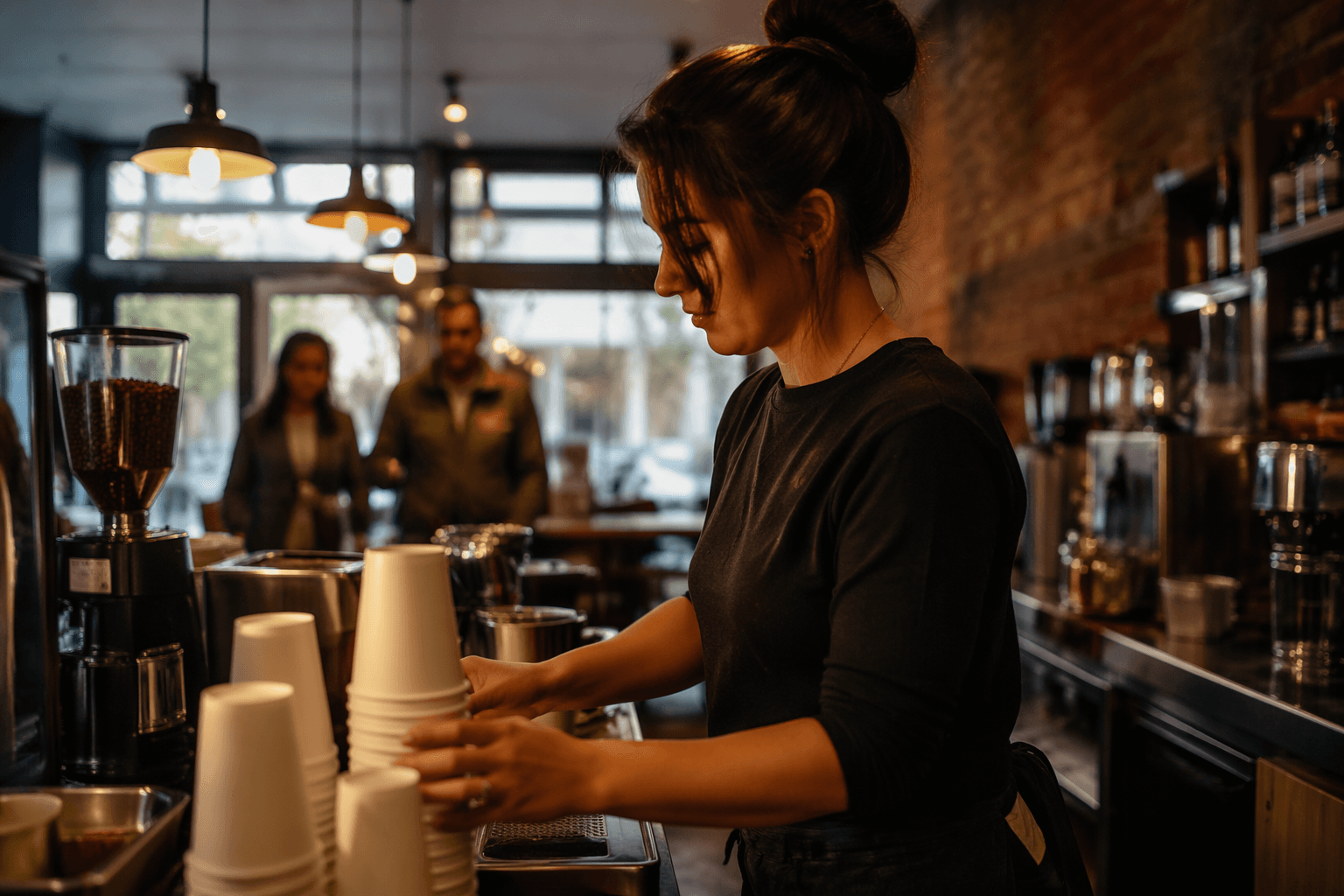
The cup proposal is the one most likely to be felt quickly by businesses, especially coffee shops, cafes and takeout restaurants that rely on disposable packaging. The anti-idling idea would reach farther into daily routines, touching delivery trucks, school pickup lines, service fleets and city vehicles. The wetlands proposal is the most ambitious of the three, and the hardest to imagine moving without a major legal and political fight.
That sorting process comes as Mayor Brad Finkeldei has already pushed the board to think bigger about how Lawrence handles environmental policy. In March, he asked advisers to look at the big picture, a request that landed against a thin budget, just $4,000 for the city’s sustainability department in 2026. With that kind of limited staff support, board members are not just judging the environmental merits of each proposal. They are deciding which ones are practical enough for the city to act on.
Lawrence has been down this road before. The board unanimously recommended a single-use plastic bag ban in June 2022 after years of discussion that stretched back to 2018, and the Lawrence City Commission approved it in August 2023 as Ordinance No. 9996. The ban took effect March 1, 2024, making Lawrence the first city in Kansas to adopt such a rule. That history gives the current package a clear precedent: an idea can start as a controversial recommendation and end up as local law, but only after a long run through public debate.
The board’s latest deliberations also sit alongside Lawrence’s uneven climate record. Ordinance 9744, passed in 2020, set goals for 100% renewable energy in municipal operations by 2025 and citywide by 2035, but city staff said clean energy made up only about 3% of municipal operations at the end of 2025. In February, the board leaned toward amending the ordinance rather than repealing it, another sign that members are trying to preserve environmental goals while making them more workable.
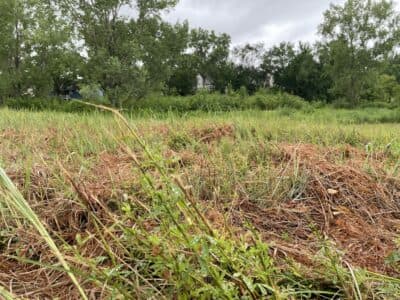
The wetlands proposal lands in a region where land protection is already a live issue. A March forum at Haskell Indian Nations University focused on defending the Wakarusa Wetlands from future development, and in April 2025 Douglas County open-space talks about the Wakarusa River Corridor already centered on flooding risk, water demands, nutrient flows and habitats. The anti-idling idea also has local roots: Lawrence records from 2009 say the city’s idle policy was intended to improve air quality and reduce petroleum consumption.
For now, the board’s job is less about passing judgment on the environment than deciding which proposals are concrete enough to send forward. The mix on the table suggests the next version of Lawrence’s sustainability agenda could range from a compost-bin issue at downtown restaurants to a far more novel claim about the legal standing of wetlands.
This article was produced by Prism’s automated news system from verified source data, official records, and press releases, then run through automated quality and moderation checks before publishing. The system is built and supervised by the people who set the standards it runs under. Read our full AI policy.
Know something we missed? Have a correction or additional information?
Submit a Tip