Prairie Park mowing was planned to fight invasive sericea lespedeza
Mowing at Prairie Park was meant to spare native plants while targeting sericea lespedeza, a weed that can seed for 30 years and spread across nearly 300,000 Kansas acres.
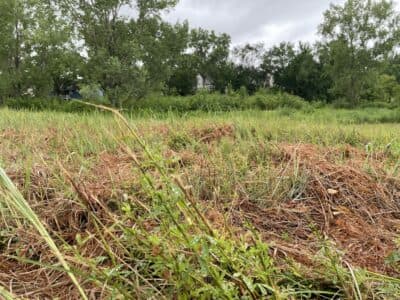
City crews mowed parts of the five-acre native prairie remnant behind Prairie Park Nature Center to knock back sericea lespedeza, and the sight startled some Lawrence residents still remembering the herbicide mistake that damaged the site in 2023.
This time, city staff and the Native Lands Restoration Collaborative said the work was deliberate. Abby Bush Wilder, a city spokesperson, said the aim was to remove sericea without harming the native grasses and wildflowers the prairie was created to protect. Courtney Masterson, executive director of Native Lands, said the plant is especially difficult to manage because it spreads through both roots and seed and can quickly take over open ground.
The mowing is only the first step in a larger restoration plan. Afterward, the city and Native Lands plan targeted spot treatment with herbicide aimed at the invasive weed rather than the broad spraying that caused the earlier damage at the prairie. KU plant ecologists monitored the remnant during 2023 and 2024 after the city’s April 27, 2023 broadcast herbicide application error, which sparked public outcry and drew scrutiny to how Lawrence manages the site.
Sericea lespedeza is not a small problem isolated to Prairie Park. Kansas State University says the plant infests nearly 300,000 acres in Kansas as of 2024, where it can crowd out native grasses and form dense stands that reduce biodiversity. County weed guidance says a single plant can produce about 1,000 seeds, and those seeds can remain viable in the soil for 30 years or longer. That makes each patch a long-term fight, not a one-season cleanup.
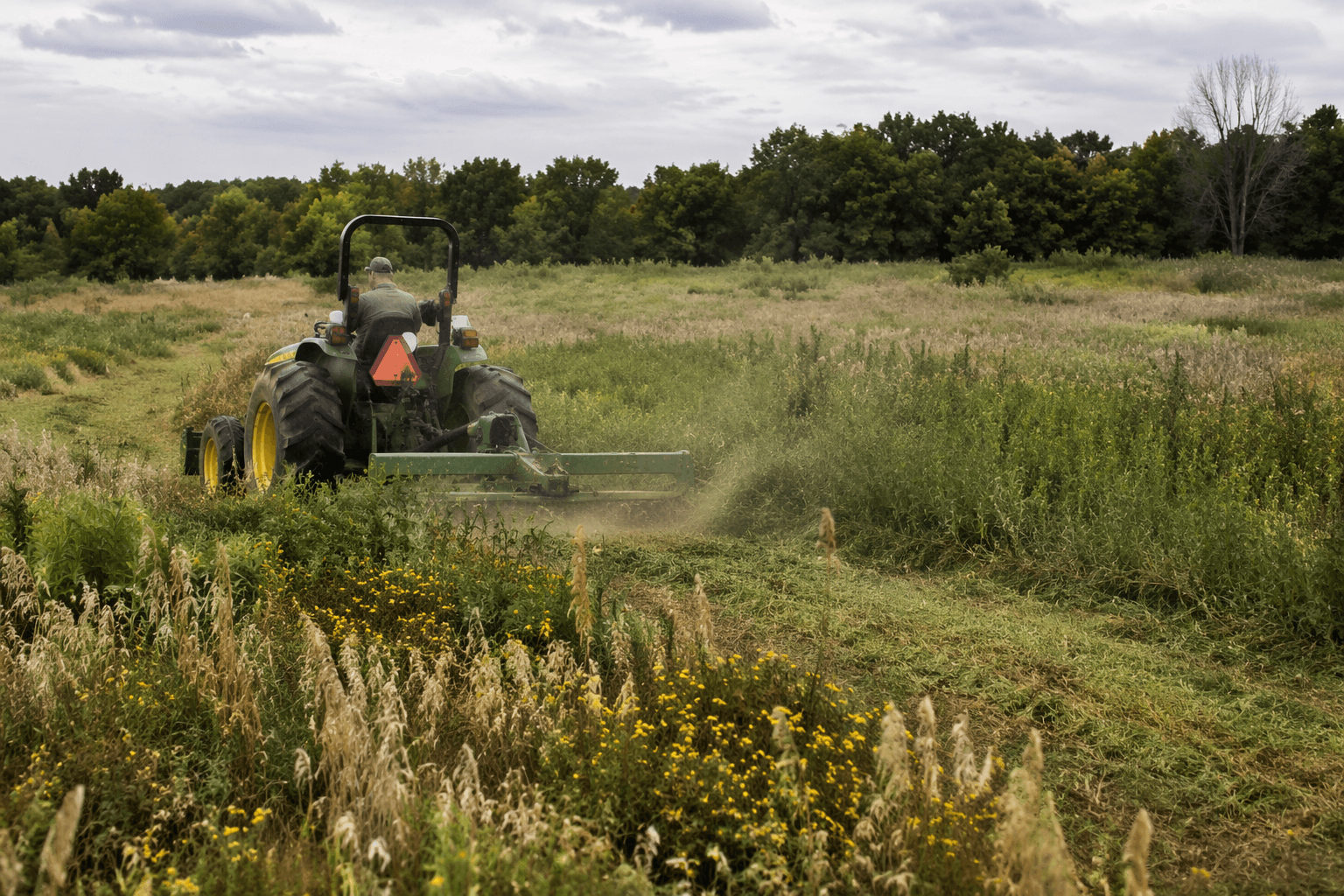
State extension guidance says mowing, burning and grazing can all work as defoliation tools if they are timed carefully. Late summer mowing can help prevent seed set, while mid-May through June is a better window for herbicide on actively growing plants. By the end of June, sericea begins to branch and get woodier, which makes it harder for herbicide to move through the plant.
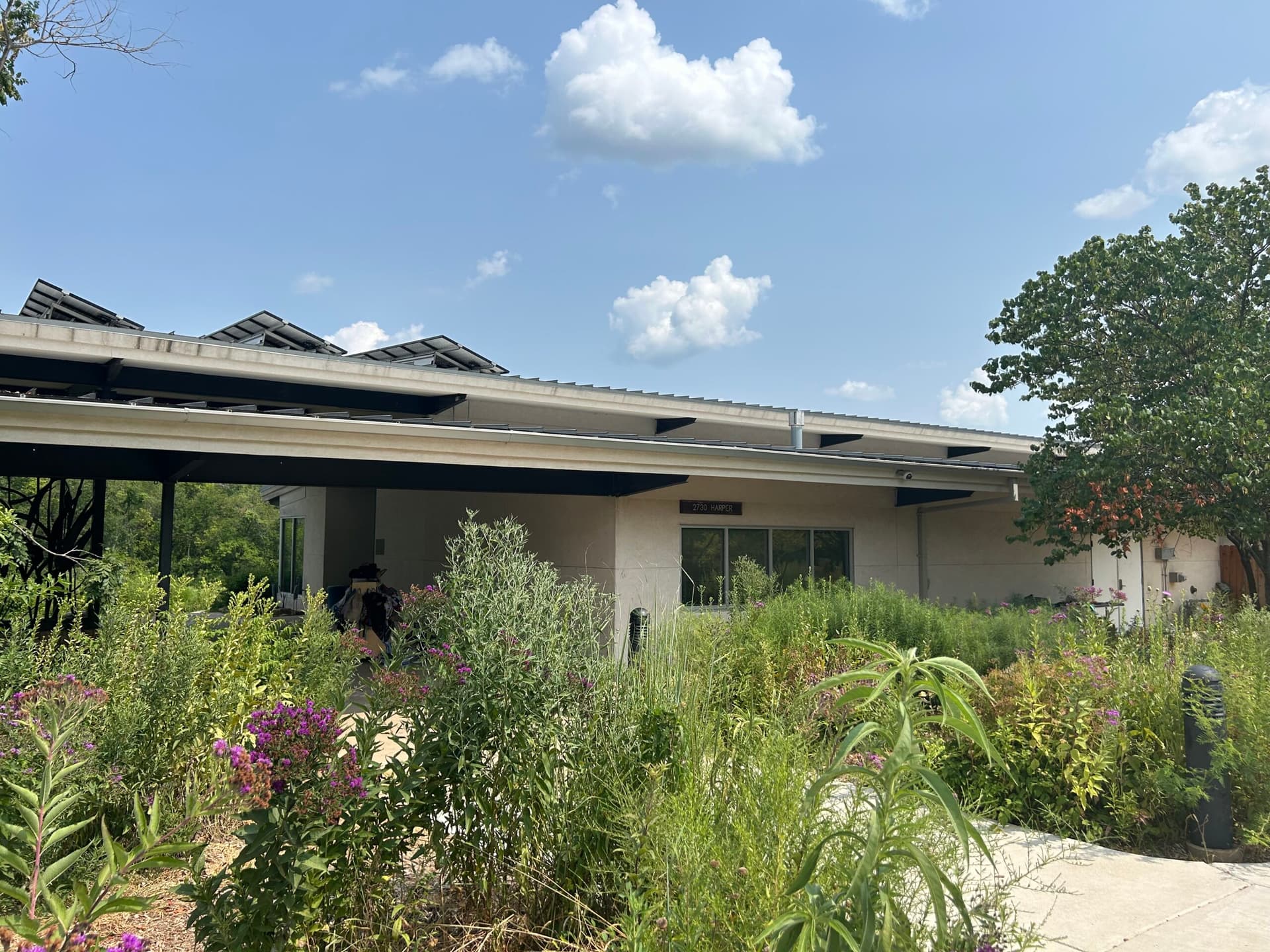
The weed’s history in Kansas helps explain why the city is treating the Prairie Park remnant as a slow restoration project. Sericea was introduced into the United States by the USDA in 1900 for erosion control, then planted in Kansas on strip-mined land in the 1930s and around reservoirs in the 1940s and 1950s before it was recognized as invasive. Native Lands, a northeast Kansas nonprofit focused on conservation and restoration, has worked on the prairie with the city and partners including Grassland Heritage Foundation, Haskell Indian Nations University and the Kansas Association for Conservation and Environmental Education. The prairie may still look rough after mowing, but officials say repeated treatment is what will keep it from being swallowed by sericea again.
This article was produced by Prism’s automated news system from verified source data, official records, and press releases, then run through automated quality and moderation checks before publishing. The system is built and supervised by the people who set the standards it runs under. Read our full AI policy.
Know something we missed? Have a correction or additional information?
Submit a Tip