Vinland Fair keeps Douglas County’s rural history alive
Free admission, a 1908 streak, and a fairground built from local farm labor keep Vinland Fair at the center of southern Douglas County.
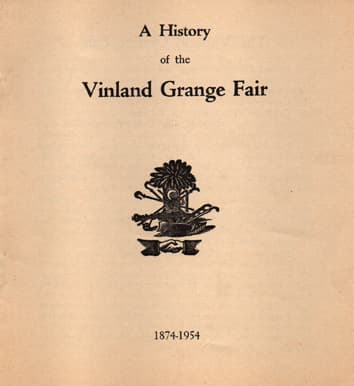
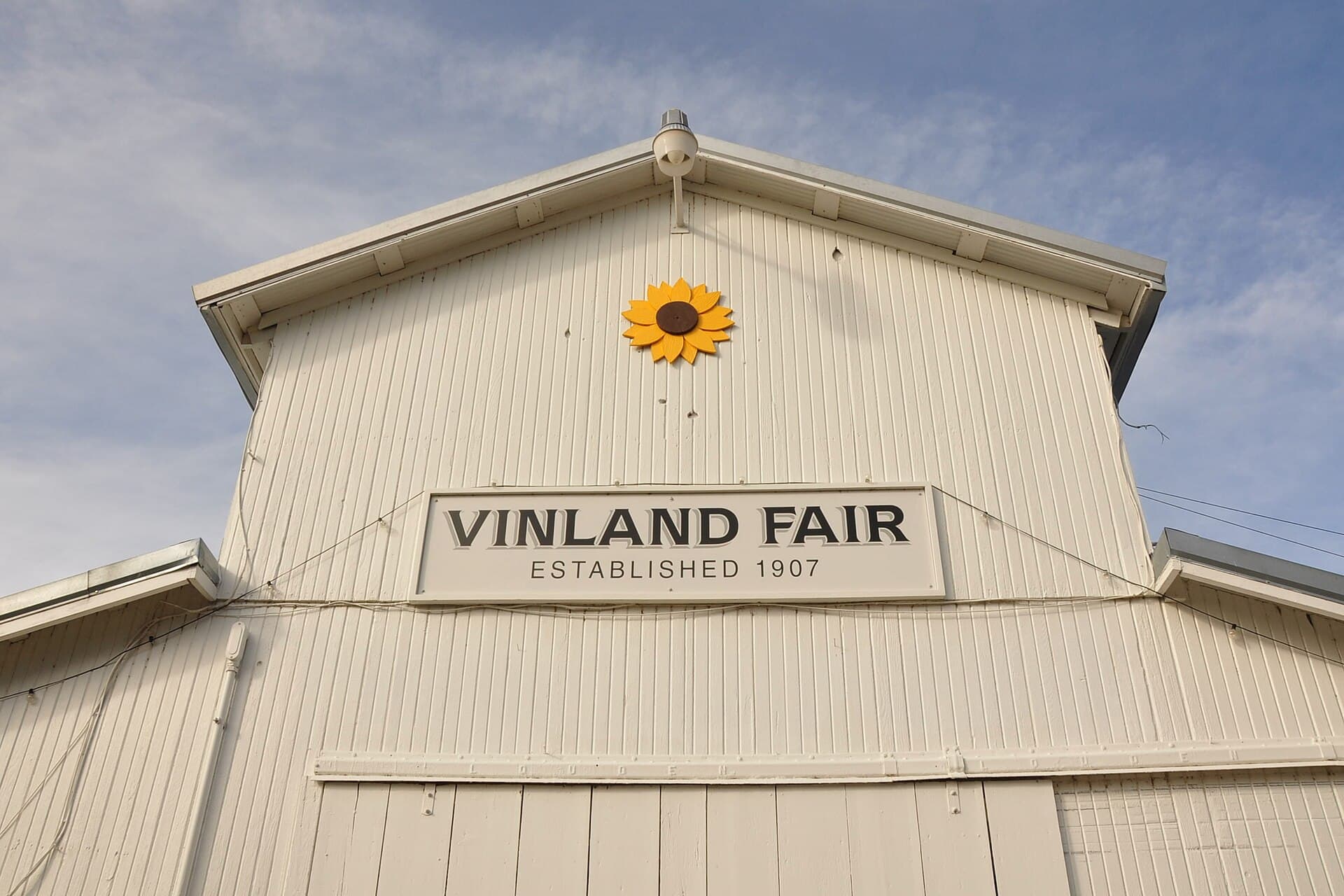
In southern Douglas County, the Vinland Fair is still doing the work a community fair is supposed to do: giving neighbors a place to gather, show off what they made, and recognize the farming traditions that built Vinland in the first place. The free, three-day event at 1736 N. 700 Rd. in Baldwin City has been held every summer since 1908, and its staying power is exactly what makes it matter now.
From a grange to a county landmark
Vinland Fair began as the Vinland Grange, a farmers’ organization rooted in the practical life of rural Kansas. Vinland Grange No. 163 was established in 1873, the first Vinland Fair followed in 1874, and the Grange Hall in Vinland was built in 1884, giving the community a physical center long before the fairground had a permanent home.
That history fits into a much larger farm movement. The National Grange of the Order of Patrons of Husbandry was founded in 1867, and the Santa Fe Trail Historical Society of Douglas County notes that Kansas had more than 1,000 granges during the movement’s period of growth. Vinland was part of that wave, when grange halls were both social hubs and working institutions, places where farmers could organize, compete, and measure the season in fruit, vegetables, livestock, and homegrown skill.
The fair’s earliest emphasis tells that story clearly. The first fair in 1874 featured fruit and vegetables, and the fair remained closely tied to agricultural life through the early 20th century, with horse and cattle shows drawing crowds. When other local fairs became more popular and the schedule became irregular, Vinland did not disappear; it waited until community energy returned. The fair was revived in 1907, the board voted later that year to make it annual, and the fair’s own history page says it has been held every summer since 1908.
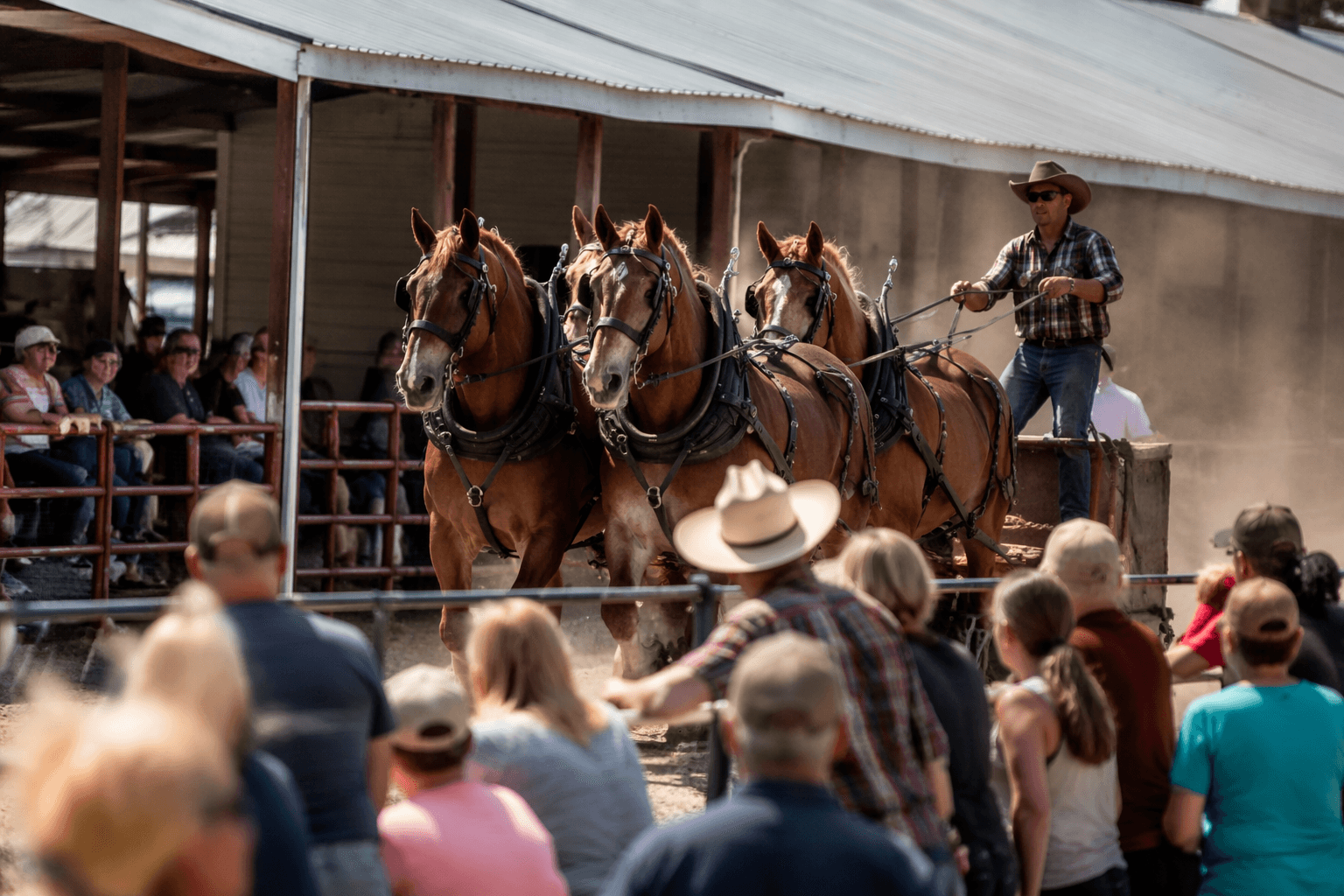
A fairground built to last
The move from temporary gatherings to a permanent fair site was a turning point. In 1927, after members purchased a four-acre pasture tract for a permanent fairgrounds, the Vinland Fair Association Fairground Exhibit Building became the first structure erected there. That detail matters because it shows how the fair shifted from an annual event into an institution with its own built environment and long-term purpose.
The exhibit building now carries historic recognition of its own. Kansas Historical Society records list the Vinland Fair Association Fairground Exhibit Building in the National Register of Historic Places on January 23, 2004. For a rural community, that listing is more than a plaque on a wall. It marks the fairground as one of the county’s rare surviving places where the physical setting still matches the tradition it was built to support.
The fair’s history also shows why those spaces mattered beyond nostalgia. During the 1920s and 1930s, the fair became a center of community life, and during the Great Depression, fair winnings could help farm families make ends meet. That is a reminder that small prizes, livestock ribbons, and produce displays were not just entertainment. They were part of a local economy in which extra cash and public recognition carried real weight.
What you still find at Vinland Fair today
The fair remains free and family-oriented, and its current offerings keep the old structure intact while making room for modern family traffic. Douglas County describes it as a free, annual three-day event, and the current fair site is at 1736 N. 700 Rd. in Baldwin City. The 2026 Vinland Fair is scheduled for August 6-8, which gives local families a fixed summer date for one of the county’s most durable traditions.
Visitors can still expect the kind of mix that makes the fair feel unmistakably local. The current lineup includes:
- Quilt and apron shows
- Baked goods and homemade pies
- Bicycle races and foot races
- Turtle races
- Tractor pulls and pedal tractor pulls
- Lawn mower pulls
- Livestock shows and livestock exhibits
- Homemade ice cream contests and ice cream contests
- Pet parades
- Old-time farm skills competitions
- Kids’ activities
That mix is the fair’s identity. It is not a polished commercial festival, and it is not trying to imitate one. The events reward the kinds of work and play that have always belonged to a rural Kansas summer: baking, sewing, raising animals, racing what you have on hand, and taking pride in what your family can do together.
Why Douglas County keeps showing up
The fair’s value is easiest to see in what would be lost if it vanished. Vinland would lose a visible marker of rural identity, a recurring gathering point, and one of the few public events in the county where volunteer labor and community memory still shape the experience from the ground up. The fair is also one of the clearest examples in Douglas County of an institution surviving by adapting instead of replacing itself.
That survival is not accidental. Douglas County has helped support the fair with $4,000 from the Heritage Conservation Council’s Heritage Events and Celebration Fund program, a small but telling sign that local government recognizes the fair as a cultural asset, not just a weekend diversion. The money underscores what the fair already shows in practice: traditions endure when people keep showing up, keep building, and keep passing along the work.
Vinland Fair has lasted because it still looks like the community that created it. More than 150 years after Vinland Grange No. 163 formed, the fairground remains a place where Douglas County can still see its agricultural past operating in the present.
This article was produced by Prism’s automated news system from verified source data, official records, and press releases, then run through automated quality and moderation checks before publishing. The system is built and supervised by the people who set the standards it runs under. Read our full AI policy.
Did this article answer your question?