Federal Court Rules Indiana Illegally Discriminated Against Dubois County Recovery Home
A federal judge ruled Indiana illegally classified Next Step Recovery Home on Brosmer Street as a commercial building, violating three federal disability and housing laws.

Indiana illegally subjected Next Step Recovery Home, a three-bedroom house on Brosmer Street in Jasper, to costly commercial building requirements simply because its residents were in addiction recovery, a federal judge ruled March 10-11, finding the state violated the Americans with Disabilities Act, the Fair Housing Act, and the Rehabilitation Act.
U.S. District Judge Tanya Walton Pratt, ruling from the Southern District of Indiana, found that Indiana classified Next Step and three other recovery-home nonprofits as Class 1 commercial structures rather than Class 2 residential structures, a distinction that triggered burdensome building requirements not imposed on comparable single-family homes occupied by nuclear families. The court granted summary judgment for all four nonprofit operators and permanently ordered the state to treat the homes as residential structures.
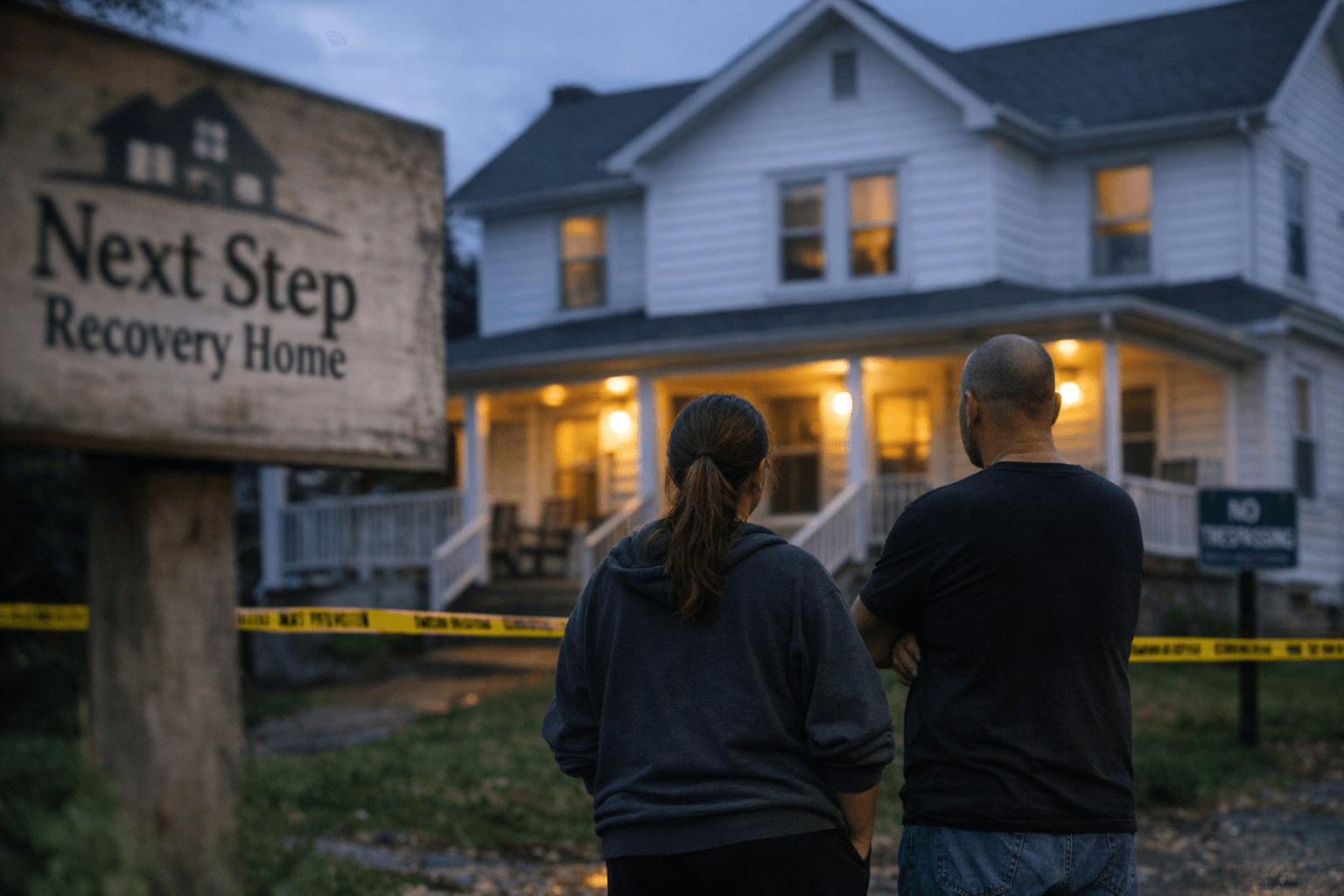
The ruling directly affects Next Step's 2,000-square-foot Jasper home, once a standard single-family residence, which now houses five men in the second phase of a structured recovery program run in partnership with Behind the Wire Ministries. Judge Pratt noted in her decision that the home already maintained fire extinguishers, routine fire drills, and an indoor no-smoking policy, yet was still held to stricter commercial standards solely because of who lived there.
The ACLU of Indiana, which represented all four nonprofits, called the decision a clear rejection of disability discrimination. "Even though the homes themselves were indistinguishable from homes being lived in by nuclear families, they had to adhere to these higher standards," said Ken Falk, the ACLU of Indiana's Legal Director. "The whole purpose of these homes is to have an environment that mimics to the greatest extent possible the homes that most of us know, where people support each other."
The other three nonprofits covered by the ruling are Place of Grace and Harmony Home of Huntington, both in Huntington County, and Inspiration Ministries in DeKalb County. Because Place of Grace was forced to comply with the improper commercial standards while constructing two new homes, Judge Pratt awarded the nonprofit $206,232.11 in damages to cover the additional costs those requirements generated.
The ruling follows a 2019 federal decision in which the same court found Indiana's classification system discriminated against group homes for adults with intellectual and developmental disabilities. Judge Pratt wrote in the current decision that the state had continued using that system as "a proxy for discrimination" despite the earlier ruling.
For Dubois County, where access to recovery resources remains a persistent challenge, the decision is expected to lower barriers for providers like Next Step as they work to offer stable, community-based housing for residents working toward sobriety. Those seeking information about Next Step Recovery Home can contact the organization at nextsteprecoveryinc@gmail.com.
Know something we missed? Have a correction or additional information?
Submit a Tip