Indiana lawmakers drop under-13 social media ban from SB 199
Lawmakers removed a provision that would have barred kids under 13 from social media and required written parental consent for ages 13-17, a decision that affects parents, schools and local policy debates.
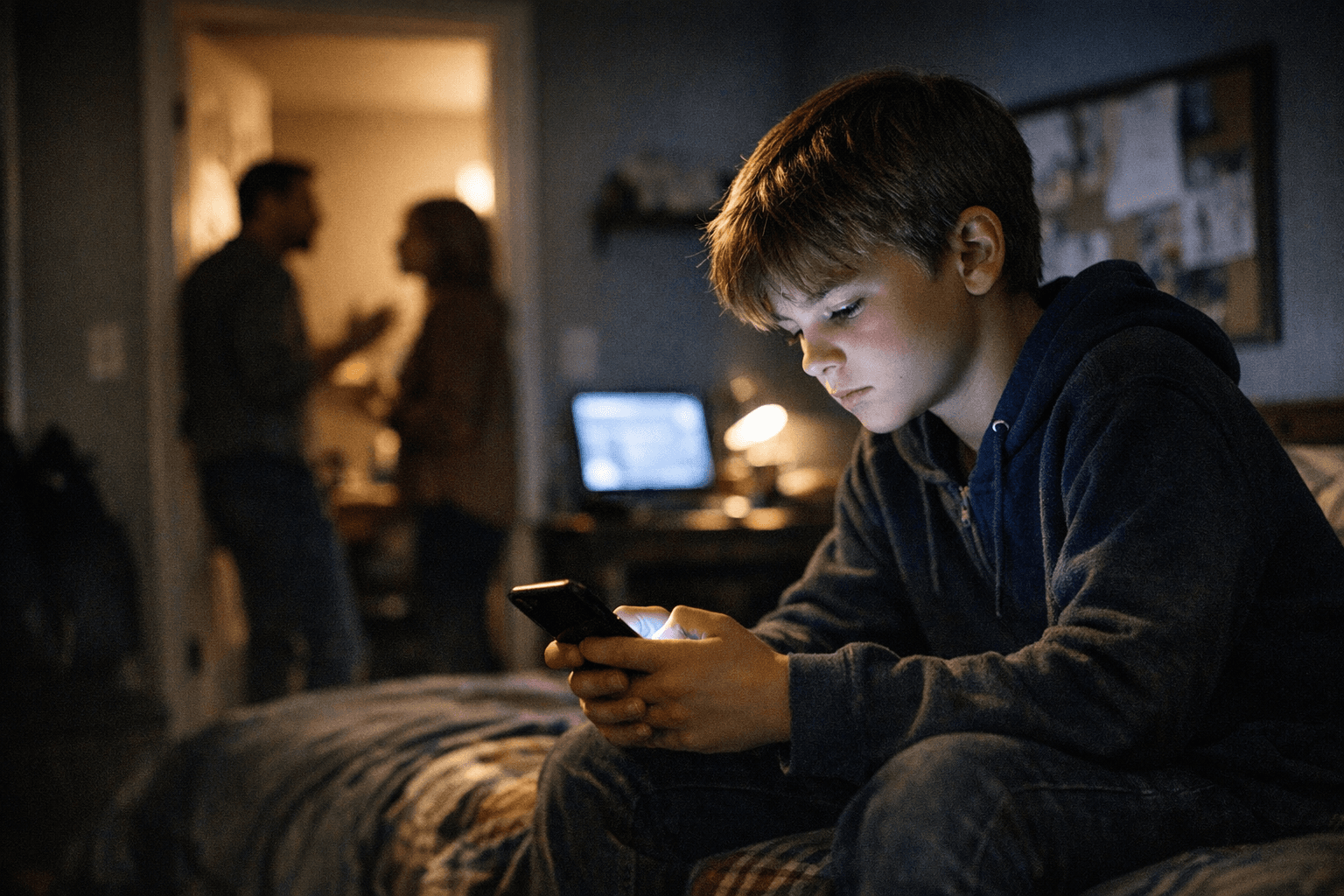
Lawmakers stripped a youth social media restriction from Senate Bill 199, an omnibus K-12 education measure, removing language that would have barred children under 13 from creating or maintaining social media accounts and required written parental consent for users ages 13 to 17. Senators unanimously agreed, without debate, to amend it out during legislative floor action tied to activity on Wednesday, Jan. 28.
The change ends, for now, a high-profile element of SB 199 that would have directly affected Hoosier teens and parents. Bill author Sen. Jeff Raatz, R-Richmond, previously said lawmakers were attempting to craft legally defensible policy. Lawmakers cited questions about constitutional risk and enforcement when the amendment was adopted. Similar proposals nationwide have drawn legal scrutiny and, in some cases, federal court challenges on First Amendment grounds, a legal backdrop that complicated efforts to enshrine age-based social media bans in state law.
The Senate's unanimous, debate-free action leaves open the possibility that the issue could still reemerge later in the legislative session. For Dubois County parents and local school officials, the immediate effect is continuity: existing district policies, parental controls and platform rules remain the primary means of managing student use of social media. The amendment also shifts the debate back to school boards, county governments and families rather than a new statutory mandate for under-13 account bans.
The same day’s legislative activity included attention to public records practices driven by artificial intelligence. House Bill 1360, authored by Rep. Matt Lehman, R-Berne, is aimed at curbing large-scale, automated public-records and data requests generated by AI and scraping tools. Lehman said agencies are receiving requests “asking for data that is becoming very much time-consuming to fulfill under their traditional sources,” adding that “many of these are being generated by AI.” Under the bill's language, agencies could require requests to be submitted through electronic portals that include CAPTCHA verification, “where you push on the button that says, ‘I’m a human being’”, and could require physical address verification, including confirmation of whether the requester lives in Indiana. Agencies would also have to log and report suspected phishing or data scraping requests to the state’s public access counselor and could decline to respond if they notify the counselor within seven days and explain why.
Other legislation advanced alongside these measures. A utility affordability proposal described as a House Republican priority moved forward in the House on an 89-4 vote, a measure intended to level out sudden fluctuations in electricity bills and cited as having broad bipartisan support.
For Dubois County residents, the short-term takeaway is procedural: the Legislature removed a sweeping youth social media restriction from SB 199 but left the door open for renewed debate. Parents and school leaders should monitor committee calendars and bill filings as lawmakers revisit children’s online safety and local governments prepare to respond to any future statutory proposals.
This article was produced by Prism’s automated news system from verified source data, official records, and press releases, then run through automated quality and moderation checks before publishing. The system is built and supervised by the people who set the standards it runs under. Read our full AI policy.
Did this article answer your question?