Indiana SNAP will bar sugary drinks and candy January 1
Beginning Jan. 1, more than half a million low income Indiana residents will no longer be able to use SNAP benefits to purchase sugary drinks or candy, a change state officials say aims to improve public health. The decision requires retailers to reprogram point of sale systems and raises concerns about food access for residents without refrigeration or reliable transportation.
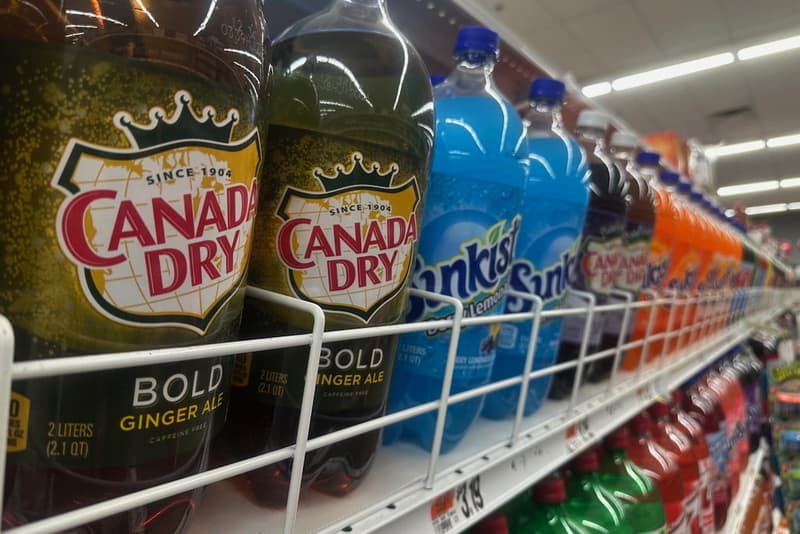
State officials announced on December 16 that new rules will prevent Supplemental Nutrition Assistance Program benefits from being used to buy sugary beverages and candy beginning Jan. 1. The initiative, called Smart SNAP, is part of the Make Indiana Healthy Again plan launched by Governor Mike Braun earlier this year. Federal permission for the change was secured through a waiver the U.S. Department of Agriculture approved in May.
The SNAP restrictions apply to non alcoholic beverages that contain natural or artificial sweeteners. Drinks mixed with milk or milk substitutes will remain eligible, and beverages sweetened only with real fruit or vegetable juice will still be covered. Retail examples noted by state officials include soda, energy drinks, sports drinks like Gatorade and sweetened iced tea being removed from SNAP eligible purchases. Items such as unsweetened iced tea, pure fruit juice and electrolyte replacement drinks like Pedialyte will remain eligible.
Candy is defined for the purpose of the rule as a preparation of sugar, honey or other sweeteners combined with chocolate, nuts, fruit or flavorings, excluding products that require refrigeration. State guidance lists candy bars, marshmallows, fruit strips, popcorn and mints as falling under the restriction, while ice cream, fresh fruit and potato chips will still qualify for purchase with SNAP benefits.
The Family and Social Services Administration has held multiple meetings with retailers and contacted provider associations to prepare for implementation. Retailers are required to update point of sale systems to exclude the restricted items, to train staff on the new rules, and to submit proof of compliance to FSSA before the effective date.

Retailers and researchers have criticized the forthcoming limits, warning that businesses near state lines could lose sales to neighboring states and that SNAP participants without regular access to refrigeration, cooking facilities or reliable transportation will face narrower choices, often limited to shelf stable foods. The policy represents a notable shift in how a federally funded anti hunger program is being shaped at the state level through a federal waiver, and it raises questions about how health objectives will be balanced with equitable access to food.
For Dubois County residents who rely on SNAP, the change means thinking ahead about food planning and where to shop as the new restrictions take effect. Local officials and retailers will play a central role in communicating the specifics and helping residents navigate the transition.
This article was produced by Prism’s automated news system from verified source data, official records, and press releases, then run through automated quality and moderation checks before publishing. The system is built and supervised by the people who set the standards it runs under. Read our full AI policy.
Did this article answer your question?