Large Public Turnout Prompts County Review of Solar Permit
Dozens of Dubois County residents pressed commissioners on December 1 to reconsider approvals for a large solar and battery storage project, citing safety, environmental, and taxation concerns. The board declined immediate action but ordered legal review and a staff audit of permit footprints, a move that could shape future local land use and oversight.
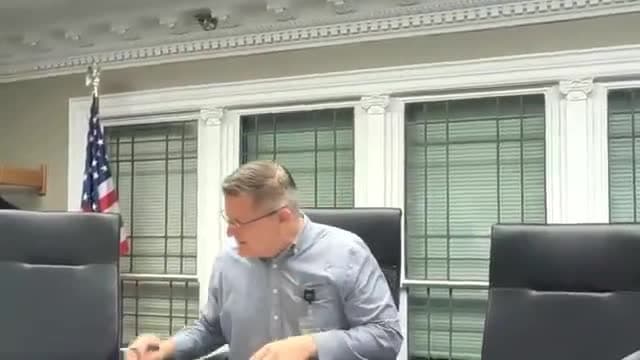
On December 1, a packed Dubois County commissioners meeting produced urgent calls for reexamination of approvals tied to the proposed Crossline/PropLine Solar project and related battery storage facilities. Neighbors and town representatives said local approvals had lapsed and that a municipality had adopted a moratorium on new solar development, creating a jurisdictional dispute that left residents seeking county intervention.
Jason Iley appeared representing neighbors near the proposed project and reported that town level approvals for Honeybird had lapsed while a municipal moratorium remained in place. Supporters of rescission presented petitions they said contained hundreds of signatures opposing the project, and multiple speakers raised safety and health concerns about large scale solar and battery storage facilities, including potential fire risks and proximity to schools. A Department of Natural Resources note about barn owl habitat was cited as evidence of wildlife impacts and residents pressed questions about how the projects will be assessed and taxed.
"Who in our county is looking out for the safety concerns of all of these people?" asked Lisa Matthews, a property owner near a proposed battery storage facility, encapsulating the anxiety many attendees expressed. Another resident told commissioners plainly, "Honeybird does not want this project."
Commissioners said they were taking the concerns seriously but emphasized legal constraints. The county lacks countywide planning and zoning authority and historically has relied on a state derived solar ordinance, which limits immediate action without creating new local ordinance language or establishing a plan commission. One commissioner noted the board could ask for renegotiation of setbacks or other permit terms but warned against steps that courts might overturn if the county lacks clear legal authority.

Rather than revoke permits or impose a moratorium on the spot, the board instructed the county attorney to research options, including the feasibility of a moratorium or whether permit reissuance or renegotiation is legally possible. Staff were directed to review the permit footprint against originally approved site plans and to confirm whether AES/PropLine holds applicable permits with INDOT or other state agencies. Commissioners asked for a written response and recommended next steps at the board's next meeting.
The outcome will affect how the county addresses large scale energy projects going forward, shaping local oversight, community safety standards, and the fiscal treatment of utility scale development. Residents and municipal officials will watch the attorney review closely as the county determines whether to pursue ordinance changes or other regulatory tools.
This article was produced by Prism’s automated news system from verified source data, official records, and press releases, then run through automated quality and moderation checks before publishing. The system is built and supervised by the people who set the standards it runs under. Read our full AI policy.
Did this article answer your question?