Cumming approves Tesla collision and repair shop, 50 to 60 jobs
Cumming cleared a Tesla collision shop at 400 Lanier 400 Parkway, a project expected to bring 50 to 60 jobs and faster repairs for local owners.
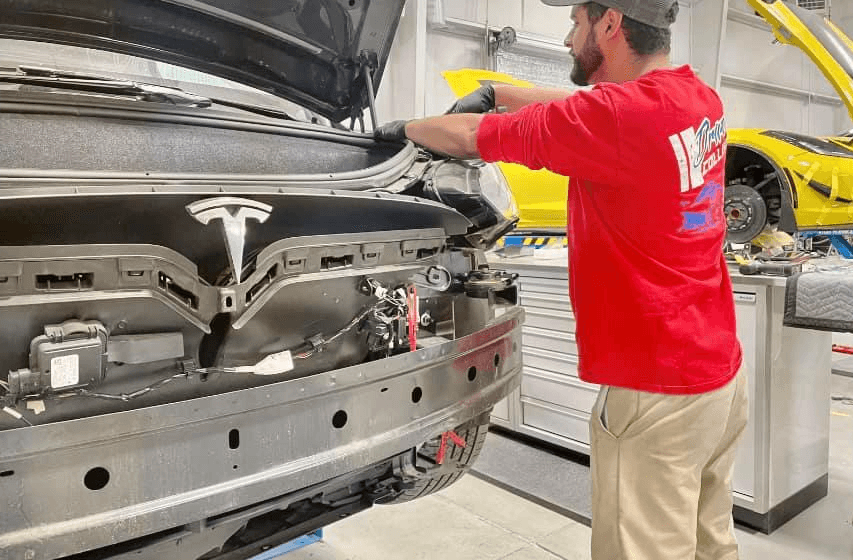
The Cumming City Council approved a Tesla collision and repair shop on Lanier 400 Parkway, opening the door to a project that could bring 50 to 60 jobs and new daily traffic to one of the city’s busiest commercial corridors.
The site plan calls for an indoor collision and body shop at 400 Lanier 400 Parkway, the address listed in rezoning paperwork. The applicant is Forecast Group, and the project is designed to serve Tesla vehicles. Final building elevations still must go before the city’s design review board, which means the facility has cleared one major hurdle but is not yet ready to break ground.
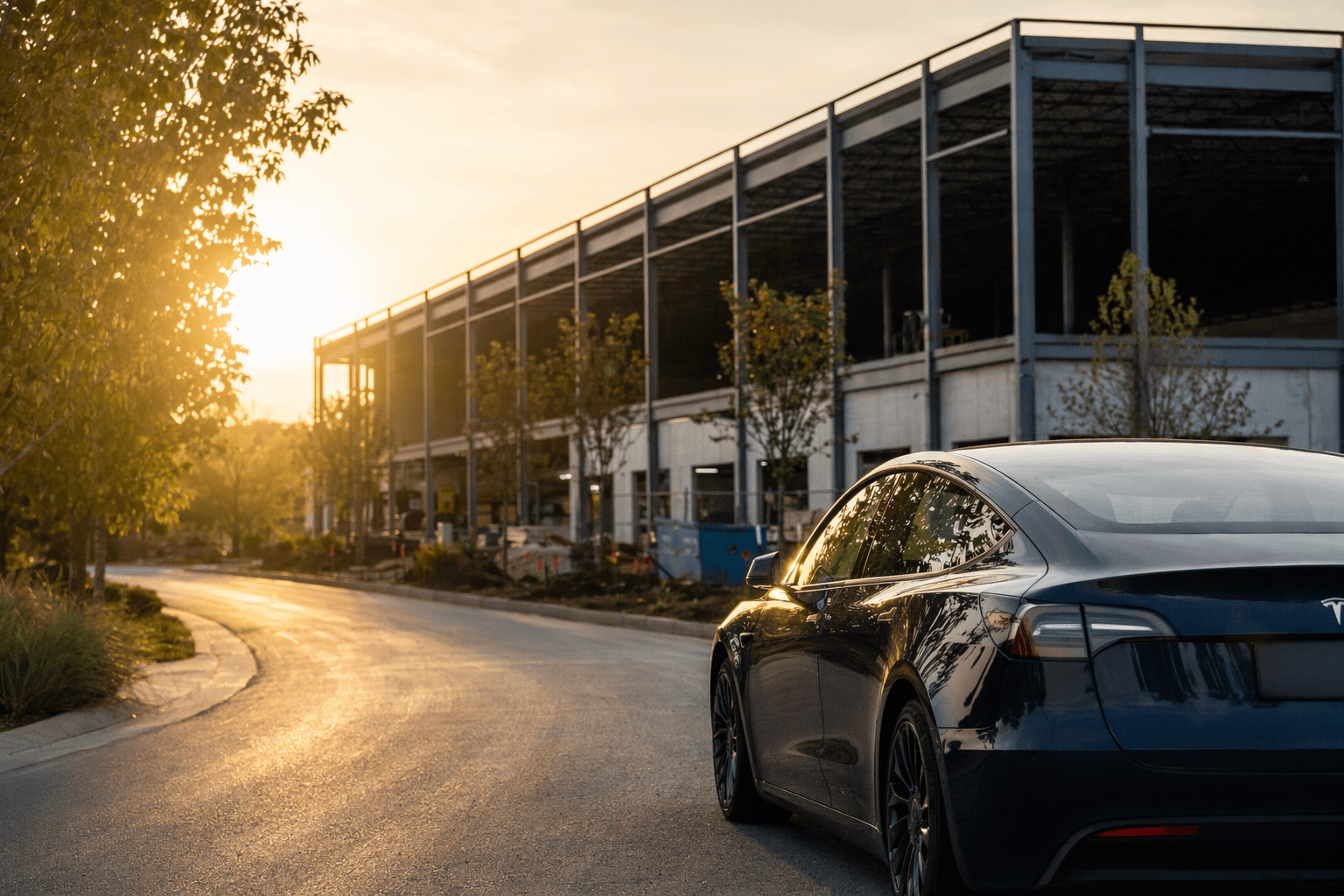
For Tesla owners in north metro Atlanta, the shop would fill a practical gap. Tesla’s nearest Atlanta-area store and service location listed on the company’s site is in Decatur, leaving Cumming drivers to depend on third-party repair businesses for service options closer to home. Tesla says its approved body shops are factory trained and equipped to restore vehicles to original specifications, a distinction that matters after a collision when owners want repairs tied closely to manufacturer standards.
The project also lands in a county that has built its reputation on rapid growth. Forsyth County says it is consistently ranked among the fastest-growing counties in the United States, and the Development Authority of Forsyth County has pushed that same message of business-friendly development, low taxes and workforce strength. A Tesla-affiliated body shop fits neatly into that pitch: it adds payroll, broadens the local auto-repair base and gives Cumming another nationally recognized name along a key roadway.
That economic payoff will be measured not just in the 50 to 60 jobs attached to the building, but in how the facility changes movement around the site. Employees, customers and repair traffic would add activity to Lanier 400 Parkway, while nearby businesses could see more lunch-hour and errand-stop business from workers and visitors. For residents who have watched Forsyth County grow into a regional commercial center, the project is another sign that the county’s expansion is no longer limited to rooftops and retail, but is increasingly tied to specialized service work that keeps high-end vehicles on the road.
This article was produced by Prism’s automated news system from verified source data, official records, and press releases, then run through automated quality and moderation checks before publishing. The system is built and supervised by the people who set the standards it runs under. Read our full AI policy.
Did this article answer your question?