Goochland County lays out volunteer fire-rescue application process
Goochland is adding volunteers as growth pushes east, and the county has mapped the full path from application to station assignment.
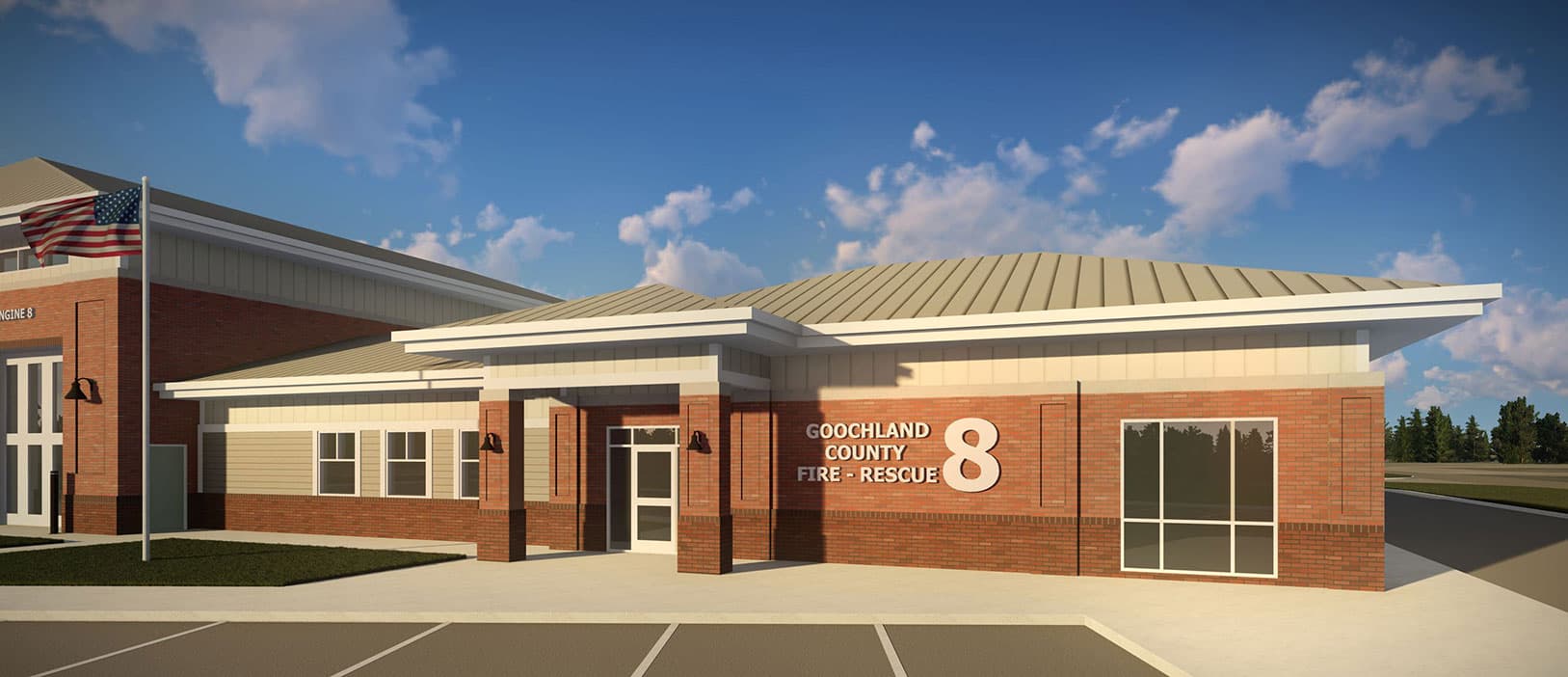
Goochland County is looking to volunteers to help carry a fire-rescue system already under pressure from growth along the Route 288 corridor. County leaders say that corridor alone is projected to generate more than 1,000 additional Fire-Rescue calls, and the new Station 8 at Sandy Hook is expected to be the first new fire-rescue district added in more than 60 years.
Why the volunteer pipeline matters now
The county’s own staffing snapshot shows why the volunteer track still matters: in FY2023, Fire-Rescue crews were 58% career, 18% combination and 24% volunteer. That mix means volunteers are not a side note in Goochland, but part of the daily response picture.

The county is also expanding physical coverage. Station 8 at Sandy Hook is expected to reach substantial completion in late spring or early summer 2027, a timeline that puts recruitment and retention alongside construction as part of the same public-safety push. Goochland says the volunteer fire-rescue association depends jointly on local citizen financial contributions and county government funding for capital equipment financing and operating funds, so staffing and resources are being built together.
How to apply
Goochland County has laid out the volunteer process in a clear sequence. It begins with a completed application and reference forms submitted to Fire-Rescue Administration, followed by a preliminary background check. Applicants then move to a panel interview, fingerprinting and a more thorough background check through the Virginia Office of EMS.
The county’s process chart also says each applicant must complete a medical and physical exam conducted by a contract medical provider. After the Office of EMS determines whether the applicant is eligible for membership, the file goes to the Fire-Rescue Chief for final approval. If approved, the deputy chief or designee assigns a station.
The county says the full process can take 30 to 90 days, so anyone interested should treat the application as a month-long to three-month commitment rather than a quick sign-up.
Where you can serve
Applicants can indicate a preferred station on the volunteer form. The choices are Manakin, Crozier, Centerville, Fife, Courthouse and Hadensville, or no preference at all. That matters in a county where response coverage is tied to neighborhood geography and where new growth is pushing demand toward the eastern end of the system.
Those stations sit within a larger network that now includes the planned Sandy Hook site. The county’s service pages also connect residents to station contact details, showing that volunteer service is organized station by station rather than through a single countywide pool.
What the screening looks like
The county makes clear that volunteers are not only joining a fire company. They are entering a screened public-safety workforce. Applicants are subject to criminal history checks, FBI fingerprinting and driving-history reviews, including an annual DMV driving-history review.
That layered screening reflects the level of responsibility volunteers carry. Fire-rescue work puts people into homes, onto roadways and into situations where trust, reliability and driving record all matter. Goochland’s process is built to confirm all three before someone is assigned to a station.
What happens after you join
Once approved, volunteers become part of a system that goes beyond emergency calls. Goochland says public blood pressure screening is available at all stations, and residents or groups can schedule fire and life safety education, EMS exhibits or Fire Safety House visits through the Fire Marshal.
Those public-facing services make the volunteer system a community resource even when the sirens are quiet. They also show how the department’s mission reaches into prevention, education and preparedness, not just response.
The county’s staff directory lists the people running that structure: Eddie Ferguson, Jr. as Fire-Rescue Chief, Chris Brooks as Volunteer Deputy Chief, Lisa Brown as Recruitment and Retention Coordinator, and Doug Davies as Fire Marshal. That staffing lineup shows volunteer recruitment is a defined county function, not an ad hoc effort.
Training, leadership and facilities
Goochland has also invested in its training pipeline. The county opened a new live-fire training structure at the Henley Fire-Training Center on August 29, 2024, and said the facility cost $1.2 million. It was built to simulate real fire conditions, giving recruits and active members a more realistic training environment.
Chief Eddie Ferguson, Jr. was named Virginia’s Chief Officer of the Year in 2026 under the Governor’s Fire Service Awards program. The county says that awards program was established in 2002, placing Goochland’s top fire official in a statewide recognition framework that underscores the department’s profile.
The Fire Marshal role also has a long county history. Goochland’s budget presentation says the county operated with a full-time Fire Marshal from 2004 to 2010, had no Fire Marshal from 2010 to 2012, and has had a part-time Fire Marshal from 2012 to the present. That shift helps explain why the current structure emphasizes both operational response and public education.
What to expect as a volunteer
The most concrete expectation is time. The county says the application process itself can take 30 to 90 days, and the screening includes interviews, fingerprinting, medical evaluation and multiple background checks. Volunteers should also expect to be plugged into a station after approval, not left in a countywide holding pattern.
The practical upside is access to a system that is organized, trained and growing. Goochland’s current station network includes Manakin, Crozier, Centerville, Fife, Courthouse and Hadensville, with Sandy Hook coming next. For residents who want to serve, the county has already mapped the route from application to assignment, and that path now sits inside one of the county’s most important public-safety expansions.
This article was produced by Prism’s automated news system from verified source data, official records, and press releases, then run through automated quality and moderation checks before publishing. The system is built and supervised by the people who set the standards it runs under. Read our full AI policy.
Did this article answer your question?