Goochland County turns agriculture into a county-backed support system
Goochland’s ACRES program gives farms one county hub for soil tests, pest help, conservation guidance, and land-use support at the Agricultural Center.
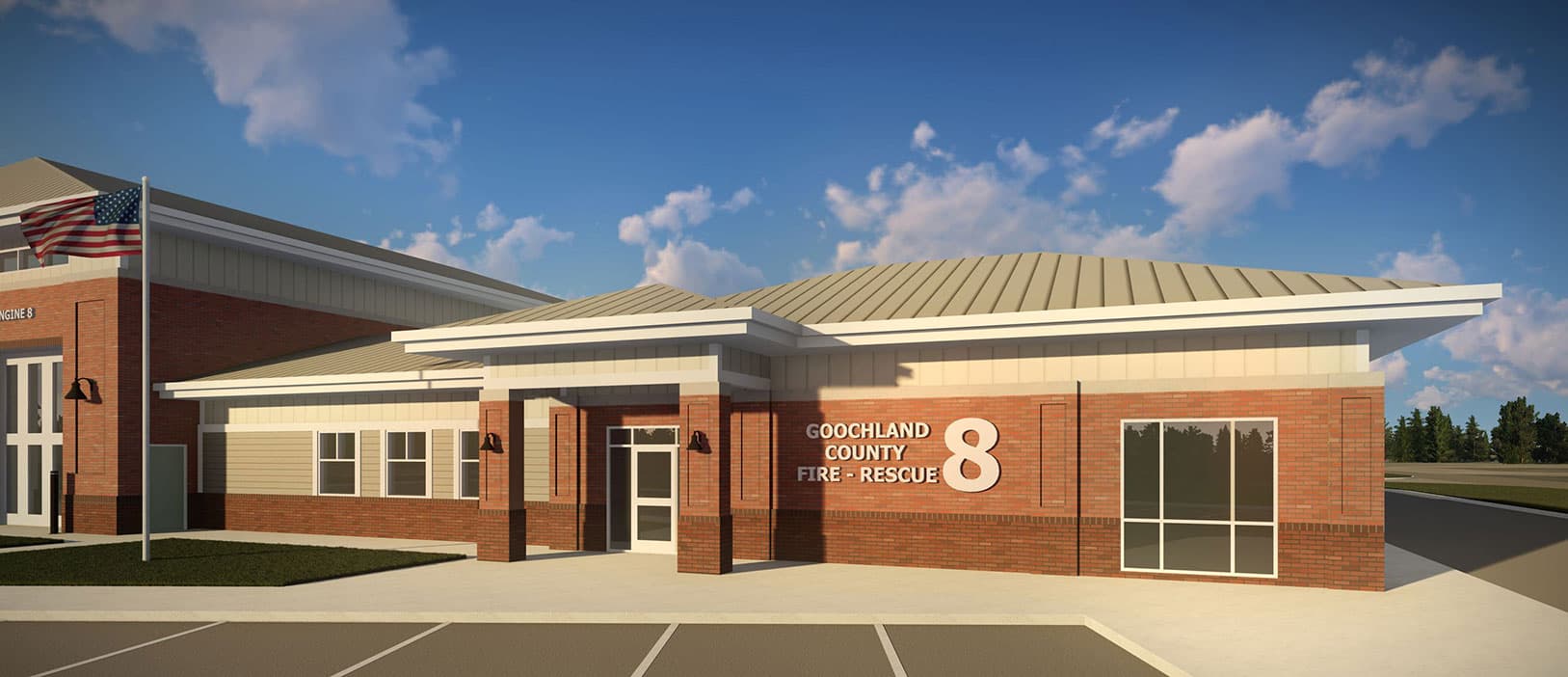
A Goochland farm owner does not have to start from scratch when a field problem, a land-use question, or a conservation decision comes up. The county has placed its agricultural support system in one place at the Goochland County Agricultural Center on Dogtown Road, where producers can find Extension staff, conservation expertise, and program space under one roof. That is the practical change ACRES was built to make: agriculture is treated as a county service line, not just a legacy land use.
A county hub built for farm business, not just county branding
The Agricultural Center opened in January 2019 at the Central High Cultural and Educational Complex, 2748 Dogtown Road in Goochland. The building includes 6,800 square feet of administrative, meeting, and program space, along with a demo-programming kitchen, lab spaces, demonstration areas, and interactive wall displays that highlight agricultural history, services, and programs. It houses the Goochland County Cooperative Extension and the Monacan Soil and Water Conservation District, which gives producers a single place to connect with both county programming and technical conservation help.
ACRES stands for Accessibility, Connectivity, Readiness, Education, and Sustainability. County materials describe the Agricultural Center as the conduit for that initiative, and the county planned an ACRES Advisory Board to work with the Board of Supervisors, county staff, and other stakeholders. The county has also folded economic development and tourism into the same framework, tying rural business support and visitor interest to the same agricultural network.
What producers can use right now
Goochland’s agricultural programming is concrete and recurring. The county lists monthly beef and equine discussion groups, free basic soil testing for commercial producers, weed, pest, and disease identification, pesticide recommendations, recertification courses for private applicators, pesticide-container recycling, pond workshops, a Women in Agriculture Conference, and on-farm variety trials. That mix matters because it spans the daily work of farm management, compliance, and land stewardship rather than one-off outreach.
The county’s agricultural resources page makes clear that modern Goochland agriculture is broader than row crops alone. Livestock, poultry, crops, craft beverages, equestrian uses, and farmers markets all sit inside the county’s agricultural economy. That range helps explain why the support system is built around both production and business operations: a horse operation, a cattle farm, a small farm market, and a crop producer all face different regulatory and technical problems, but they can still use the same county-backed network for answers.
The county’s Extension office describes its work in four lines of service: agriculture and natural resources, family and consumer sciences, 4-H youth development, and community viability. It says those programs are built with input from local stakeholders, which is the difference between a generic outreach office and one aimed at solving local operational problems. For producers, that means the help is not just educational in the abstract. It is tied to the kinds of questions that affect yield, compliance, and the bottom line.
The land policy behind the support system
Goochland’s agricultural support model sits inside a land-use policy that still tries to protect rural character. The county’s 2035 Comprehensive Plan says farms, forests, rolling hills, and scenic views define Goochland’s character, and the county’s agricultural commitment page says the plan calls for an 85/15 rural versus designated growth policy. Growth is meant to concentrate in villages and designated growth areas, while the rural landscape stays in production or conservation.
The numbers show why that policy matters. The 2017 Census of Agriculture counted 355 farms in Goochland County, with 56,739 acres in farms and an average farm size of 160 acres. Older county notes cited 315 farms in 2012 covering 50,142 acres, or about 27 percent of the county, with an average farm size of 159 acres. The change is not just a snapshot of more acreage; it is evidence that agriculture remains a significant land use the county has to manage deliberately if it wants farms to stay viable.
Conservation easements are part of that strategy. Goochland says more than 800 acres in the county are already under conservation, and it points to a local milestone: the first recorded conservation easement in Virginia was donated in June 1968 by James M. Ball Jr. to the Virginia Outdoors Foundation on a 104-acre parcel in Goochland County. That history gives the county a long local precedent for preserving working land, open space, and historic places instead of letting every acre absorb pressure from development.
Schools, agencies, and the next generation of farm knowledge
The county is also linking agriculture to education early. Goochland County Public Schools offers agriscience beginning in 8th grade, and students can move into courses such as Fish and Wildlife Management and Introduction to Animal Systems starting in 9th grade. That pipeline matters in a county where farm businesses need future operators, technicians, and land stewards as much as they need current technical support.
The broader network around ACRES is equally important. Goochland’s additional resources page lists the county Extension office, Monacan Soil and Water Conservation District, USDA Farm Service Agency contacts, Natural Resources Conservation Service, Virginia Department of Agriculture and Consumer Services, Virginia Department of Forestry, Virginia Outdoors Foundation, Farm Bureau, a local farm credit office, beekeepers, and Reynolds Community College. In practice, that means a producer is not searching blind for the right office when a problem crosses categories such as finance, conservation, forestry, or training.
Monacan Soil and Water Conservation District says its mission is to provide technical assistance, education, and leadership to improve natural resource conservation in Powhatan and Goochland counties. The county has also promoted public conservation events at the Agricultural Center featuring Monacan staff, cost-share program participants, and conservation partners. That is the kind of coordination that turns a rural office into a functioning support system.
Goochland was founded in 1727, and the county says its agricultural history stretches back to its frontier era. What ACRES does is translate that history into current infrastructure: a county building, a staff network, school pathways, conservation tools, and a policy framework that tries to keep farming inside the county’s future instead of outside it.
This article was produced by Prism’s automated news system from verified source data, official records, and press releases, then run through automated quality and moderation checks before publishing. The system is built and supervised by the people who set the standards it runs under. Read our full AI policy.
Did this article answer your question?